Story Writing Support That Actually Helps
You do not need more random writing advice. If you have a book idea, a half-filled notebook (or seven, or a draft that keeps stalling at chapter three, what you need is story writing support that helps you make decisions and keep moving. Real support does not just cheer you on. It gives your creativity a shape to work inside.
That distinction matters more than most aspiring authors realize. Plenty of writers stay stuck not because they lack talent, but because they are trying to build a book with no framework, no feedback loop, and no plan for what happens after the first burst of motivation fades. Encouragement feels good for a day. Structure changes what happens over weeks and months.
What story writing support should actually do
At its best, story writing support reduces uncertainty. It helps you answer the questions that tend to stop progress: What am I writing? Who is it for? What happens next? Where is the tension? What belongs in this chapter, and what does not?
For newer writers, that often means support that is practical before it is philosophical. You may not need a lecture on theme when you are still trying to figure out your main character's goal. You may not need broad advice to "just write" when your real problem is that your middle feels shapeless and every scene seems equally possible.
Good support meets the actual stage you are in. Early on, it may look like prompts, planning worksheets, or a simple story map. In the drafting stage, it may mean accountability, daily targets, or guidance on scene structure. Later, it may shift toward feedback, revision strategy, and identifying what is weakening the reader's experience.
The key is that support should remove friction, not add more noise.
Why many writers ask for support but still feel stuck
A lot of writing help sounds useful but fails in practice. It is either too vague or too advanced. One resource tells you to trust your instincts. Another tells you to build a fifteen-part plotting system. Another assumes you already have a completed outline and a steady writing habit. If you are somewhere in the messy middle, none of that feels like it fits.
This is where many aspiring authors lose confidence. They assume the problem is their discipline, when the real issue is mismatch. They are using support designed for a different kind of writer or a different stage of the process.
There is also the emotional side of it. Writing a book asks you to make hundreds of choices without immediate proof that you are making the right ones. That can trigger perfectionism fast. When every chapter feels like a test, you delay. When every idea feels fragile, you avoid structure because structure sounds like pressure.
But structure is not punishment. The right framework can be a relief. It narrows the next step so you are not trying to solve the entire book at once.
The most useful kinds of story writing support
Not every writer needs the same level of help, but most benefit from a mix of guidance, tools, and accountability.
Story writing support through planning tools
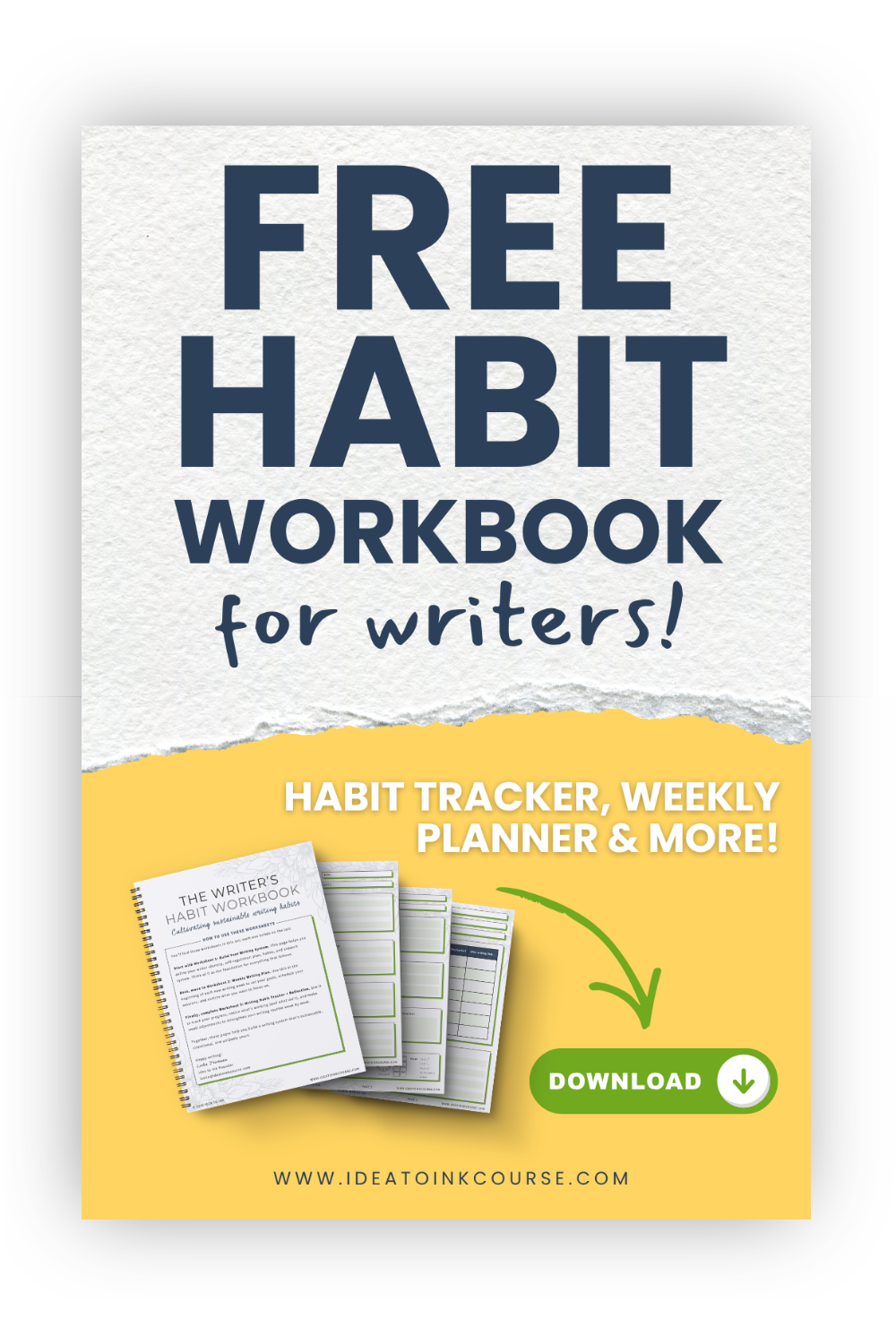
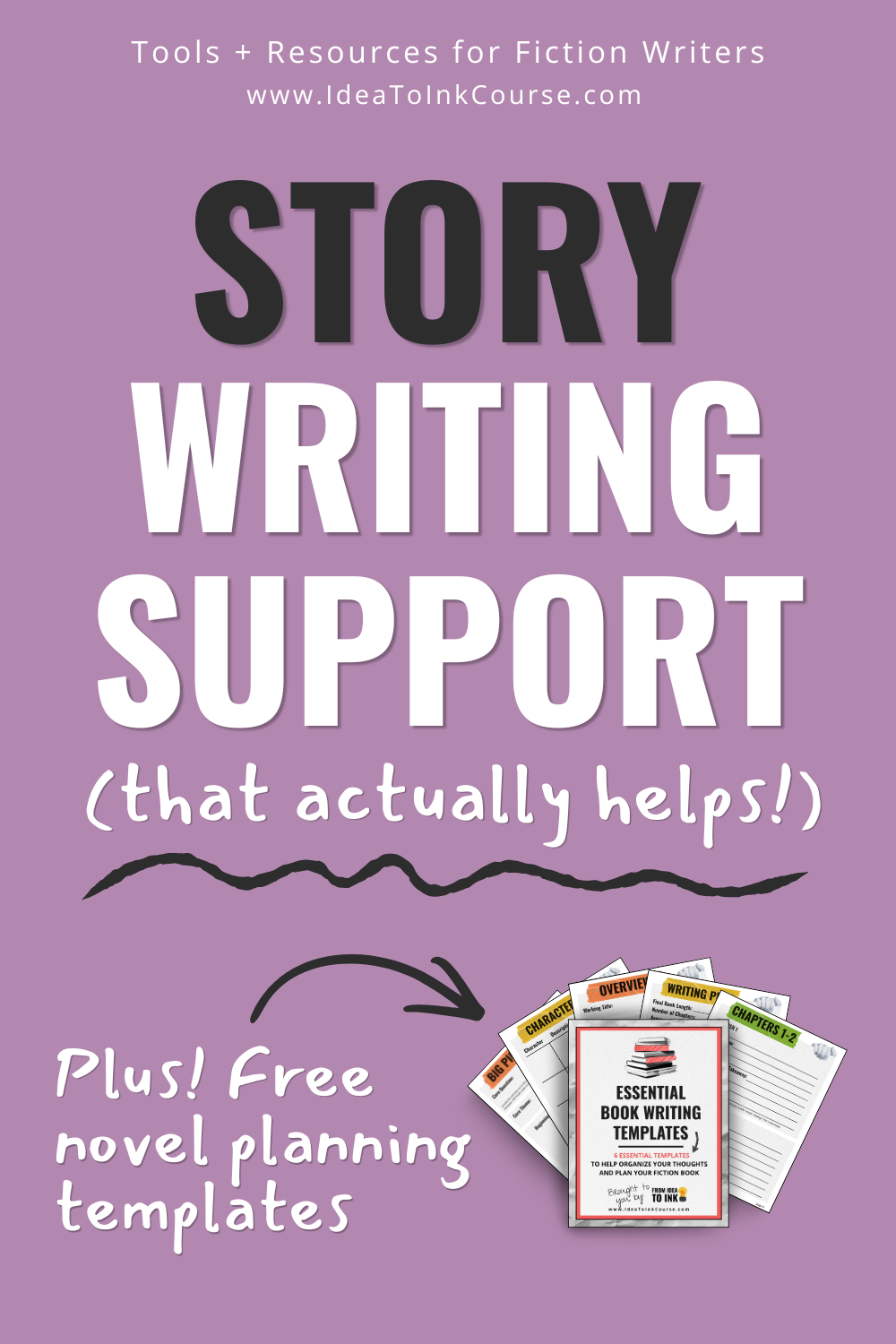
Planning tools are often the fastest way to turn vague inspiration into momentum. A character worksheet, chapter roadmap, (ps. get your free character worksheets and chapter roadmap here) or story prompt can help you move from "I have an idea" to "I know what I am writing next."
This matters because blank-page paralysis usually is not a creativity problem. It is a decision problem. When your brain is juggling plot, character, pacing, backstory, and tone all at once, starting feels harder than it should. A simple planning tool reduces that cognitive load.
That said, planning can become procrastination if you use it to avoid drafting. If you have color-coded your outline five times and still have not written chapter one, you probably do not need more prep. You need a smaller drafting goal and permission to write something imperfect.
Feedback that helps you revise, not freeze
Writers often say they want feedback, but the kind of feedback matters. General comments like "make it stronger" or "add more detail" are not very helpful. Supportive, specific feedback is different. It points to what is working, what is unclear, and what to try next.
The goal is not to be evaluated like a student turning in a paper. The goal is to gain perspective. You are too close to your own draft to always see where the reader is confused, where the scene drags, or where your strongest idea is getting buried.
Still, timing matters. Feedback too early can derail a writer who has not yet found the heart of the story. If you are in a fragile first-draft stage, you may need process support more than critique. There is a big difference between helping a writer continue and asking them to perfect a draft before it exists.

Accountability that builds consistency
A writing habit is easier to build when someone or something is expecting you to show up. That does not mean harsh pressure. It means enough structure to keep your book visible in your life.
For some writers, accountability is a weekly check-in (hint: a great way to do this is to join our digital writing sessions each week in our community). For others, it is a guided course, a daily writing plan, or a coach who helps them set realistic goals. The most effective systems are simple. If your accountability plan takes more energy to maintain than the writing itself, it will not last.
Consistency also needs to be honest. A parent with a full-time job may not be writing 2,000 words a day, and that is fine. Better to commit to three focused sessions a week than create a dramatic schedule you cannot sustain.
How to choose the right story writing support for your stage
If you are still circling your idea, start with tools that help you clarify the foundation. That might include brainstorming prompts, theme questions, or a loose outline. At this stage, your biggest need is direction.
If you have started drafting but keep losing momentum, focus on support that helps with follow-through. This is where a structured challenge, writing schedule, or coaching check-in can make a real difference. You do not need endless theory. You need a plan you can repeat.
If you have a messy draft, look for support that helps you diagnose problems without tearing down your confidence. Revision is easier when you can identify whether the issue is plot, pacing, character motivation, or simple organization. Vague frustration keeps writers stuck. Clear categories help them revise.
And if you feel embarrassed that you need help at all, let that go. Most writers do better with support. Needing guidance does not mean you are less creative. It means you are trying to do something complex and you want a process that works.
When free resources are enough, and when they are not
Free templates and prompts can be a great starting point, especially if you are testing your commitment or learning how you like to work. They can help you organize your thoughts, try a writing routine, and build early confidence.
But free resources usually have limits. They cannot respond to your specific draft. They cannot notice your blind spots. They also cannot adapt when your original plan stops fitting the story you are actually writing.
That is often the point where writers benefit from deeper support, whether that is a course, a guided kit, or one-on-one coaching. The value is not just more information. It is having a process that carries you from one stage to the next with less confusion.
Idea to Ink is built around exactly that kind of progression: practical tools for getting started, structured learning for building momentum, and personalized guidance when you need more direct support.
What to look for before you commit
The best support will make you feel clearer, not smaller. It should give you usable next steps, not just inspiration or intimidation. Look for systems that break the writing process into manageable pieces and explain why each step matters.
You also want support that respects your voice. A strong framework should help you shape your book, not turn your story into a copy of someone else's method. Good teaching gives you structure without flattening your originality.
And pay attention to how you feel after using a resource. Do you feel more capable of continuing, or more overwhelmed by everything you are supposedly doing wrong? Honest critique has value, but if the support leaves you confused and shut down, it is not serving you.
Writing a book is personal work, but it does not have to be lonely work. The right kind of support will not write the story for you, and it should not try to. What it can do is help you trust your ideas, organize your process, and keep going long enough to create something real. If your story matters to you, it is worth giving it more than hope. It is worth giving it a plan.

Ready to write your book?
Download the Essential Book Writing Templates for FREE and start strong.
We hate SPAM. We will never sell your information, for any reason.