Story Planning Templates That Actually Help
Some writers stall out before chapter one for a simple reason: the idea feels exciting, but the shape of the book is still foggy.
A non-writer friend asked me yesterday how I write the middle of a book. He figured that the beginning and end would be easy but (this is his direct quote): "how the hell do you fill up everything in between?" That is exactly where story planning templates can help, and why I swear by them.
A good template does not tell you what to write. It gives your idea somewhere to land so you can stop circling it in your head and start building a real draft. It helps you figure out that messy middle part before you make it 20,000 words deep and wonder where your story is going and if you can actually land this plane.
If you have been collecting notes, replaying scenes in your mind, or waiting to feel more ready, structure can create the momentum motivation alone rarely sustains. The key is choosing templates that reduce confusion without flattening your creativity.
What story planning templates are really for
At their best, story planning templates turn a big creative goal into smaller writing decisions. Instead of asking, “How do I write a whole book?” you start answering more manageable questions. Who is this story about? What changes? What stands in the way? What needs to happen next?
That shift matters because overwhelm usually comes from vagueness, not lack of talent. When your plot, characters, and scenes all live as loose ideas, every writing session starts from scratch. A template gives continuity to your thinking. You are not reinventing the book each time you sit down.
There is also a confidence piece here. Many aspiring authors assume planning is only for highly disciplined writers or people who already know exactly what they are doing. In practice, planning is often most useful for beginners. It creates a path forward when instinct alone feels unreliable.
The best story planning templates cover these core areas
Not every writer needs the same planning depth, but most books benefit from a few foundational tools. If a template skips these areas completely, it may feel tidy without actually helping you write.
Story premise and direction
You need a simple way to define what the book is about before you start expanding it. This might include your central idea, main conflict, genre, tone, and the promise you are making to the reader. If you cannot describe the engine of the story in a few clear lines, plotting the middle will be harder than it needs to be.
A strong premise template keeps you from building scenes around an idea that still has no clear direction. It does not have to be polished. It just has to be specific enough to guide decisions.
Character development
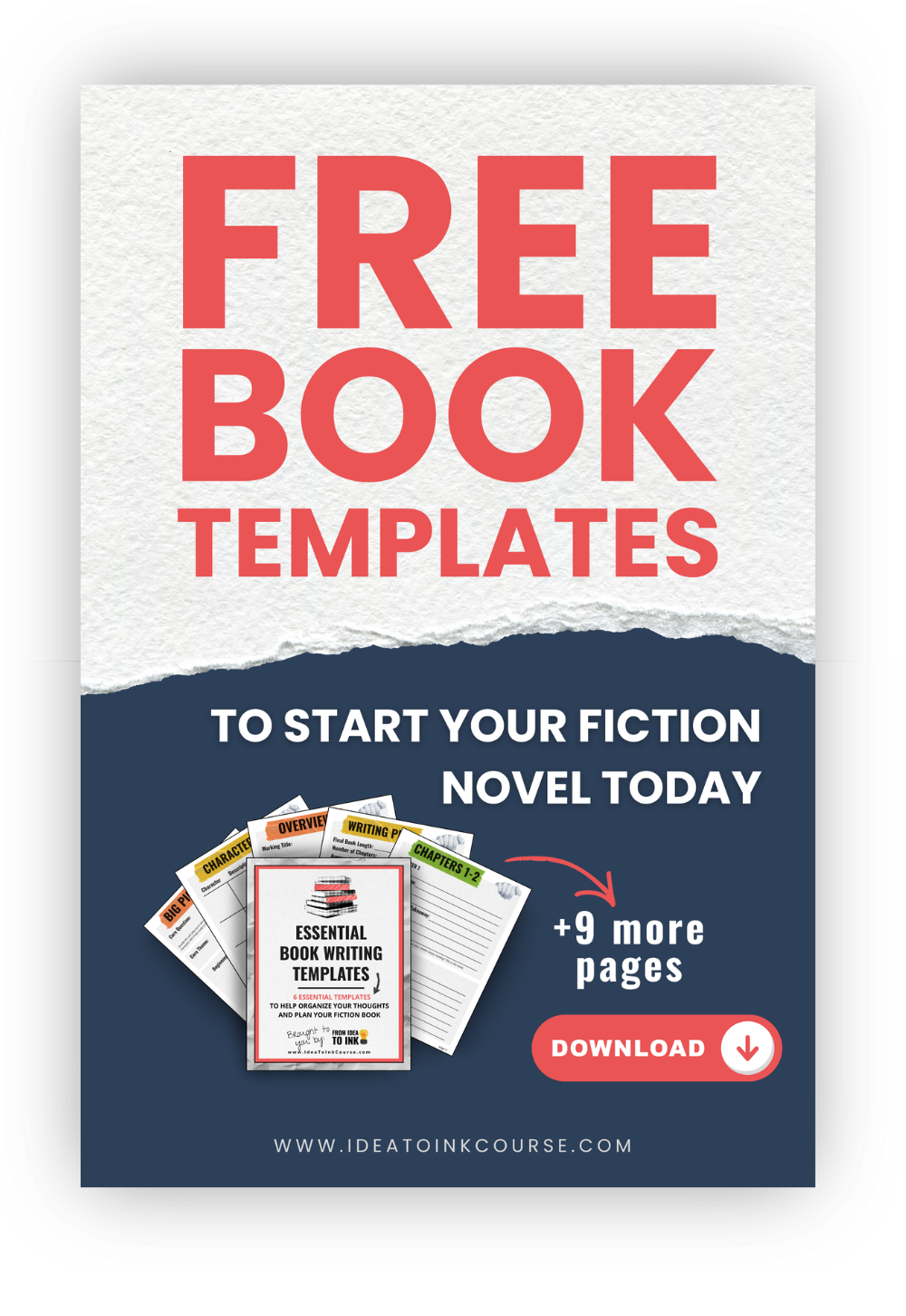
Characters need more than names and backstories (although those are very good to have). A useful character planning template (hint: the character chart I use to write all my books is available in our FREE Novel Planning Templates) asks what each important character wants, how they change, and their strengths and weaknesses. For nonfiction writers using storytelling elements, this same principle applies to the reader journey, key people in the book, or even your own narrative role on the page.
This is where many drafts start feeling more alive. Once motivation and tension are clear, scenes become easier to generate because characters begin making believable choices instead of just moving through events.
Plot or chapter structure
This is the section many writers think of first, and for good reason. A plot template helps you map major turning points, rising stakes, and the sequence of events. For nonfiction, this might look more like chapter progression, core teaching points, or the order of transformation you want the reader to experience.
The trade-off is that detailed plotting can be calming for some writers and stifling for others. If you tend to lose energy when everything feels pre-decided, use a lighter structure. Plan the major beats, then leave space inside each section for discovery.
How to choose the right template for your writing style
The best template is not the most detailed one. It is the one you will actually use.
If you are a writer who feels calmer when the path is visible, choose templates with prompts, checkboxes, and clear sections. If you are more intuitive and idea-driven, pick leaner templates that guide your thinking without asking you to overexplain every choice. You can always add detail later.
It also helps to match the template to the stage you are in. Early planning calls for broad tools such as premise, audience, character arcs, and major plot points. Mid-planning often needs chapter maps and scene cards. Once drafting begins, you may rely more on weekly writing plans or revision trackers than full story blueprints.
This is where many writers get frustrated. They download one worksheet, expect it to solve everything, and then assume planning does not work when they still feel stuck. Usually, the issue is not planning itself. It is using the wrong tool for the wrong moment.
Signs a template is helping versus slowing you down
A good planning tool should create movement. After filling it out, you should feel more oriented, not more burdened.
If a template helps you make decisions faster, spot gaps in your story, or begin a draft with less hesitation, it is doing its job. If it sends you into endless tweaking, color-coding, or second-guessing details you do not need yet, it may be too complex for this stage.
That does not mean detailed planners are bad. Some writers thrive on them. I personally color-code everything. But planning becomes avoidance when the template starts replacing the writing instead of supporting it. You don't need to use buying a 24 pack of felt tip pens an excuse for procrastinating actually writing the book.
A useful question is this: did this worksheet help me generate pages, or did it just make me feel temporarily productive? Be honest with yourself. Progress is the goal.
How to use story planning templates without getting stuck in prep mode
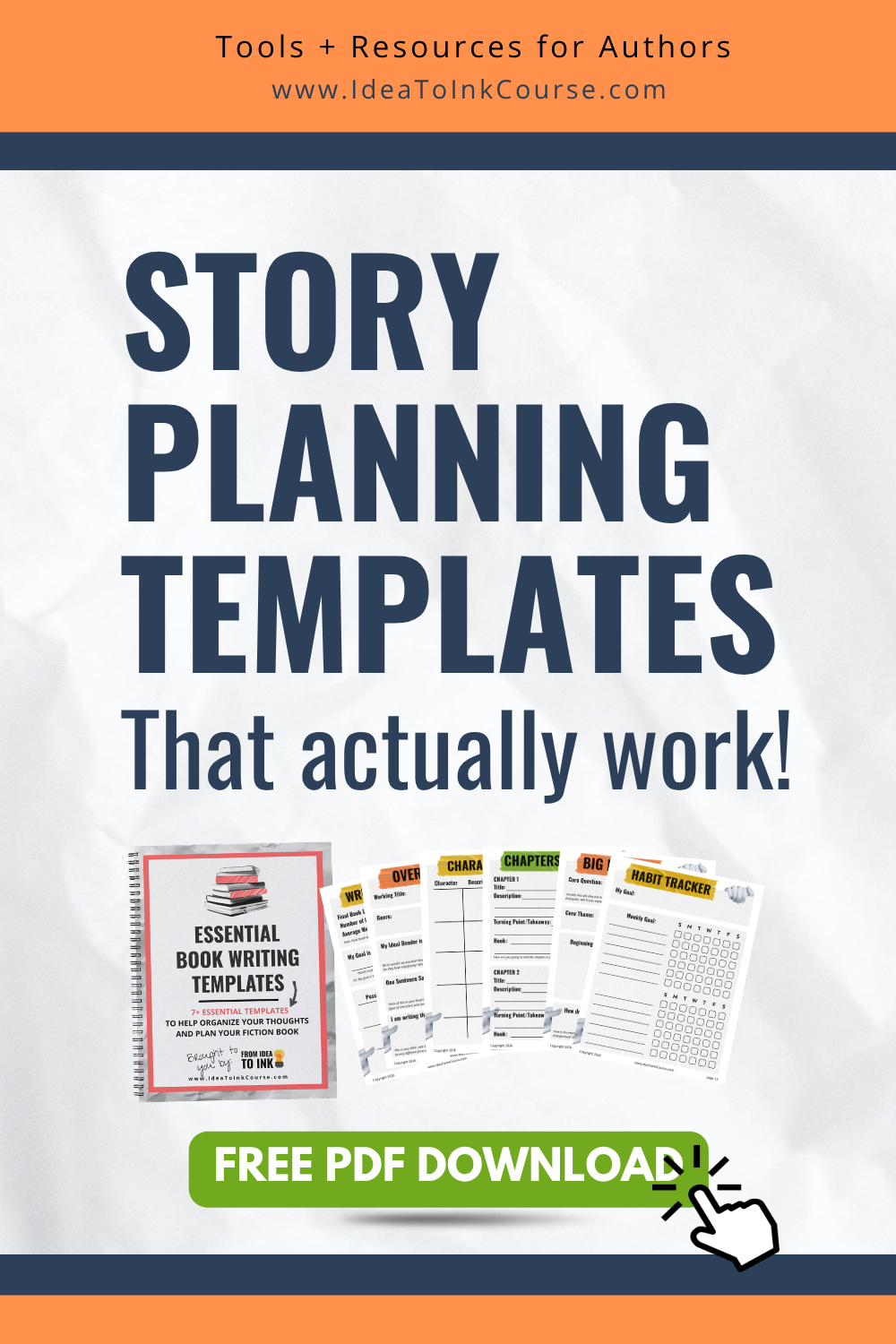
Start small. You do not need a full binder of forms before writing chapter one. Our Free Fiction Novel Planning Templates have 6 main templates: story overview, plot template, a character chart, chapter outlines, a writing plan, and a habit tracker. In my opinion, it's the perfect amount to get started without getting overwhelmed.
Then work in layers. Fill out the high-level plan first. After that, move into chapter or scene planning only for the sections you are preparing to draft next. This keeps planning connected to real writing rather than turning it into a separate project.
It also helps to treat templates as working documents, not contracts. Your story will change. That is normal. The point is not to predict every detail perfectly. The point is to give yourself a starting structure strong enough to support discovery.
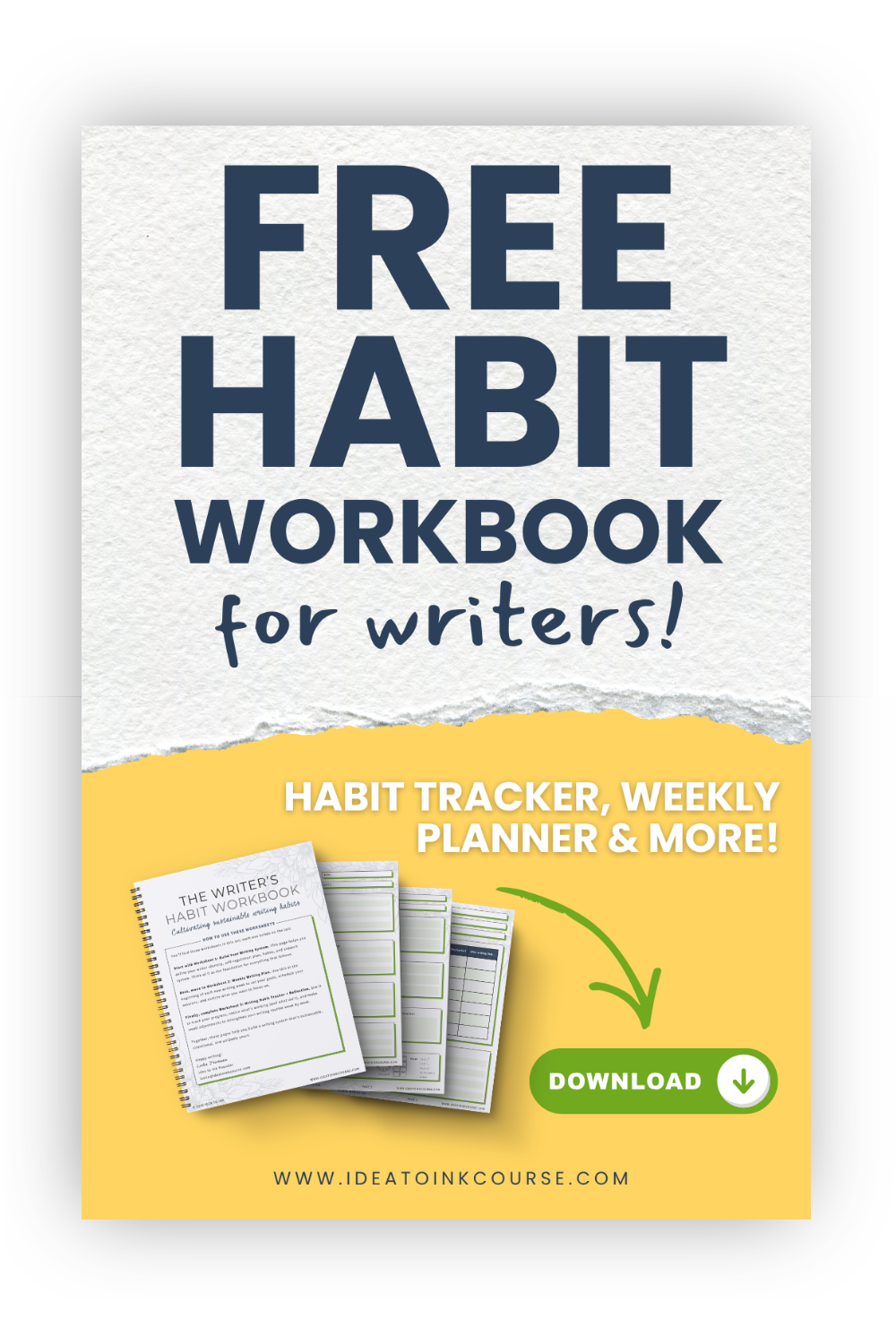
For many beginning writers, a weekly rhythm works well (and we help you figure that out on our writing plan page!) Spend one session planning, then use the next few sessions to draft from that plan. Revisit the template only when you need to recalibrate. That balance gives you structure without losing momentum.
A practical setup for beginners
If you are staring at a blank page and wondering where to begin, keep your planning system simple. Use one document or notebook section for your premise and book vision. Use another for characters or key chapter ideas. Then create a scene list or chapter list that shows what happens, in order, and why it matters.
That is enough to move from idea to action.
You do not need a perfect method before you start. You need a repeatable one. The writers who make progress are rarely the ones with the most inspiration. They are the ones with a process they can return to when the excitement dips.
That is why structured support matters. At Idea to Ink, we see over and over that writers gain confidence when the path stops feeling mysterious. Templates, prompts, and guided planning tools are not there to box you in. They are there to help you trust yourself on the page.
Your story does not need more waiting. It needs a place to begin, a shape to grow inside, and a plan simple enough to use when real life is busy. Start with the template that makes your next writing session easier, not the one that looks most impressive. Clarity is what turns intention into pages.
Happy writing,
Ready to write your book?
Download the Essential Book Writing Templates for FREE and start strong.
We hate SPAM. We will never sell your information, for any reason.