How to Start Writing a Novel That Lasts
Most people do not get stuck because they lack talent. They get stuck because they sit down to write a novel with a big idea, a blank page, and no process. If you have been searching for how to start writing a novel, what you likely need is not more inspiration. You need a clear way to move from vague concept to a story you can actually draft.
The good news is that starting a novel does not require perfect clarity. It requires enough structure to make the next decision easier. When you know what your story is about, who it belongs to, and what kind of change it will follow, the first chapter stops feeling so intimidating.
How to start writing a novel without getting overwhelmed
A novel begins long before chapter one. It begins when you choose a workable idea and give it shape. That matters because many new writers try to start drafting too early. They want the writing process to reveal everything, and sometimes it does. But if you are overwhelmed, a little planning creates momentum instead of limiting creativity.
Start by asking one useful question: what is this story really about?
That is not the same as plot. Plot is what happens. What the story is really about is the deeper thread holding it together. It might be a woman rebuilding trust after betrayal. It might be a family secret that changes how someone sees their past. It might be ambition, grief, identity, love, or power. You do not need a polished theme statement. You just need a sense of emotional direction.
Once you have that, narrow your concept into a simple story premise. Try expressing it in one or two sentences. Who is the main character? What do they want? What stands in the way? What will change if they fail? If you cannot answer those questions yet, that is okay. But those are the questions that will help you begin with confidence instead of confusion.
Build your novel from four core pieces
When writers feel lost, it is usually because one of the story foundations is missing. Before you worry about beautiful prose, make sure these four pieces are in place.
1. A main character with a clear desire
Your protagonist does not need to be fully developed before you start. But they do need to want something specific. Desire creates motion. A character who wants nothing gives the story nowhere to go.
That desire can be external, like winning a job, solving a mystery, saving a relationship, or escaping a town. It should also have an internal layer. Maybe what they really want is approval, freedom, safety, belonging, or self-respect. The more these layers work together or clash, the more energy your novel will have.
2. A problem that cannot be ignored
Conflict is not just about villains and disasters. It is the pressure that forces change. If your character could simply shrug and move on, the story will struggle to hold.
The problem should matter enough to disrupt your character's normal life. It should create consequences. It should make avoidance costly. This is one reason many first drafts stall - the conflict is interesting, but not urgent.
3. A setting that affects the story
Setting is not wallpaper. The place, time, and social world of your novel should shape what is possible. A story set in a small coastal town will move differently than one set in a corporate high-rise or on a remote ranch.
You do not need pages of world-building notes unless your genre requires it. You do need to understand how this environment pressures your character, limits their choices, and adds texture to the story.
4. A change worth following
Readers stay for movement. By the end of the novel, something should be different. Your character may gain what they want, lose it, reject it, or discover they needed something else. But there should be change.
If you know the emotional shift, even loosely, writing the beginning becomes easier. You are no longer wandering. You are guiding the story toward transformation.

Choose a starting method that matches how you think
There is no single correct way to begin a book. Some writers need a loose map. Others need to hear the voice of the story on the page. The right approach is the one that helps you keep going.
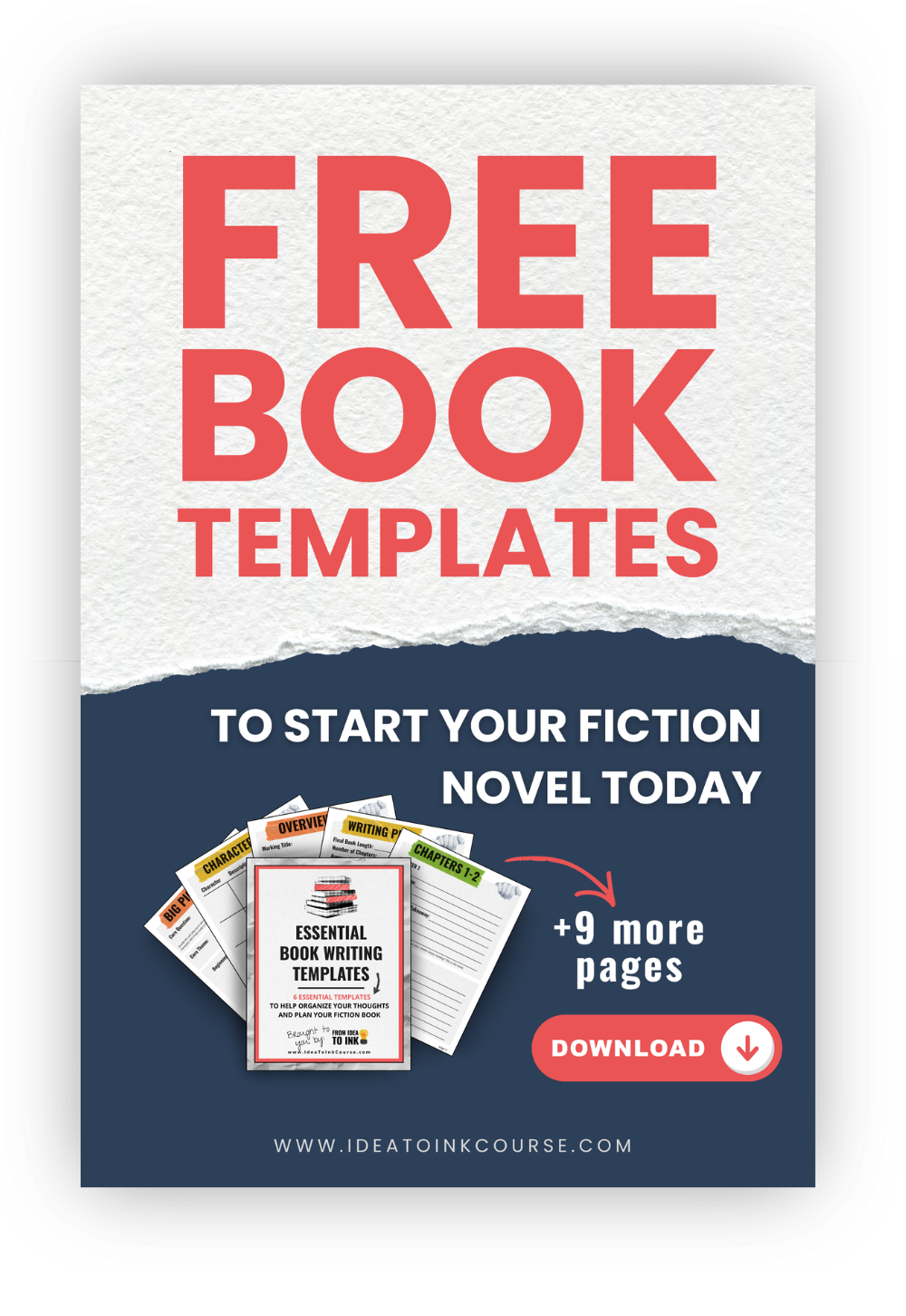
If you are naturally organized, sketch a simple roadmap before drafting (or use our free novel planning templates). Write down your opening situation, a few major turning points, the midpoint, the climax, and the ending as you currently imagine it. This does not lock you in. It gives you landmarks.
If planning makes you freeze, start smaller. Write a scene you can already picture. Write the moment your protagonist's normal life gets interrupted. Write a conversation that reveals tension. You can build structure around live material once the story begins to breathe.
Most beginners do best with a middle path: enough planning to reduce panic, enough freedom to stay creative. That balance is often what turns intention into pages.
How to start writing a novel one decision at a time
The phrase 'write a novel' can feel enormous. So, shrink the task. You are not writing a whole novel today. You are deciding what kind of novel this is, who it follows, and what happens first.
Begin with a story starter document. This can be as simple as a page with the working title, genre, main character, premise, central conflict, and three to five scenes you know belong somewhere in the book. That one page becomes your anchor when doubt shows up.
Then decide on your opening. The first chapter does not need to explain everything. It needs to create movement and curiosity. Show your character in motion, in tension, or on the edge of disruption. Give the reader a reason to care and a reason to turn the page.
Many new writers try to make chapter one perfect before moving on. That habit can quietly stop a book before it starts. A stronger goal is to make the opening functional. It should introduce the world, suggest the central problem, and establish the tone. You can improve the language later.
Set up a writing routine that supports follow-through
A novel is built through repetition, not mood. Waiting until you feel inspired usually means writing less than you want to. A simple routine is often more powerful than a dramatic burst of motivation. (And, if you're curious about the science behind that...check out this article)
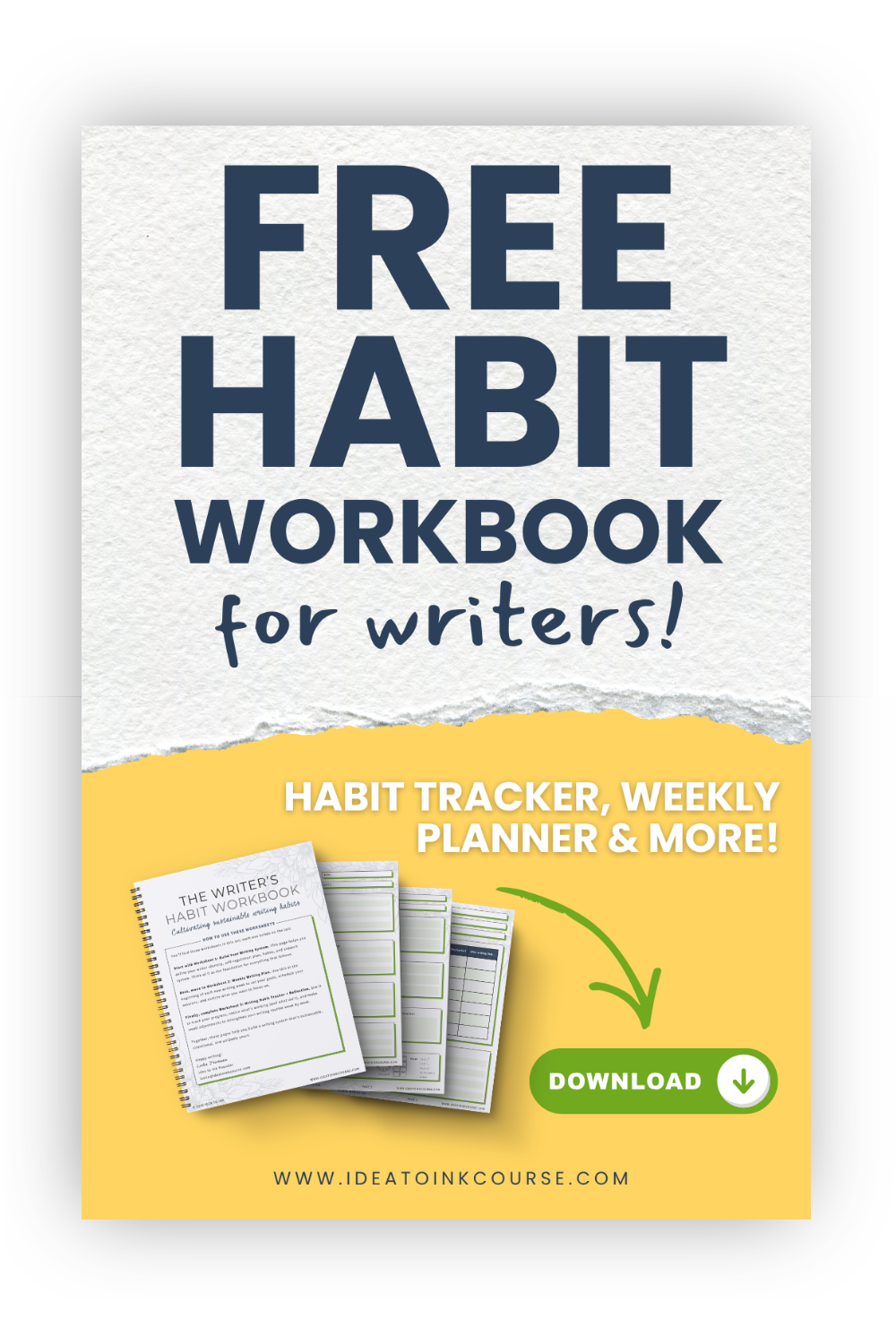
Choose a weekly rhythm you can realistically maintain. That might be thirty minutes before work three days a week. It might be two longer weekend sessions. Smaller, consistent sessions are better than a plan so ambitious that you abandon it by week two. (hint: you can download our free habit tracker for writers here)
It also helps to define what counts as success. Instead of saying, I need to make major progress, try saying, I will write for twenty-five minutes or draft 500 words. Clear goals reduce decision fatigue. They make showing up easier.
If accountability helps you, use it. A course, a coach, a writing partner, or even a simple progress tracker can keep your novel visible in your life. That kind of structure is not a crutch. It is support.
Expect uncertainty and write anyway
One of the hardest parts of learning how to start writing a novel is accepting that you will not feel certain at the beginning. You may question the idea, the voice, the plot, and your ability to finish. That does not mean you are doing it wrong. It means you are writing something real enough to require choices.
Some uncertainty can be solved with planning. Some can only be solved by drafting. You will discover things on the page that no outline could give you. At the same time, if you feel chronically lost, that is a sign to pause and rebuild your story foundations instead of forcing more words.
This is where a guided process can make all the difference. Supportive structure helps you tell the difference between normal creative discomfort and a fixable story problem. That is part of what Idea to Ink teaches writers to do so they can move forward with more clarity and less second-guessing.
Your first job is not to write a masterpiece. It is to begin a book that has enough shape to keep unfolding. Let the idea be imperfect. Let the first chapter be a draft. Let the process teach you what the story needs.
Start with one clear premise, one character who wants something badly, and one writing session on your calendar. That is more than enough to begin.
Ready to write your book?
Download the Essential Book Writing Templates for FREE and start strong.
We hate SPAM. We will never sell your information, for any reason.