9 Best Book Writing Worksheets for Beginners
Writing a book can be overwhelming and it can be hard to know where to start. Then, once you start, it's hard to keep momentum and the project stalls. But here's something important: most stalled books do not fail because the writer lacks talent (cue: sigh of relief). They stall because the project lives as a swirl of scenes, questions, and half-formed ideas with no system to hold it together. That is exactly where the best book writing worksheets can help. A good worksheet does not write the book for you. It gives your thinking a place to land so you can stop circling and start moving.
If you have been wanting to write a book but keep bouncing between inspiration and overwhelm, worksheets can create the structure your creativity has been missing. The key is choosing the right ones. Not every worksheet is equally useful, and not every writer needs the same kind of support.
What makes the best book writing worksheets actually useful
The best worksheets do three things well. First, they simplify decisions that feel too big when they stay in your head. Second, they turn vague goals into visible next steps. Third, they help you return to your project without having to reorient yourself every time.
That matters because many aspiring authors are not struggling with imagination. They are struggling with continuity. A worksheet that helps you capture your premise, organize your chapters, or define your reader can shorten the distance between "I want to write a book" and "I know what I am working on today."
There is a trade-off, though. Too many worksheets can become another form of procrastination (that is why our free novel writing templates only contain 6 worksheets!) If you spend three weeks color-coding character profiles instead of drafting chapter one, the tool has stopped serving the work. The goal is not to complete paperwork. The goal is to create enough structure that writing becomes easier to continue.
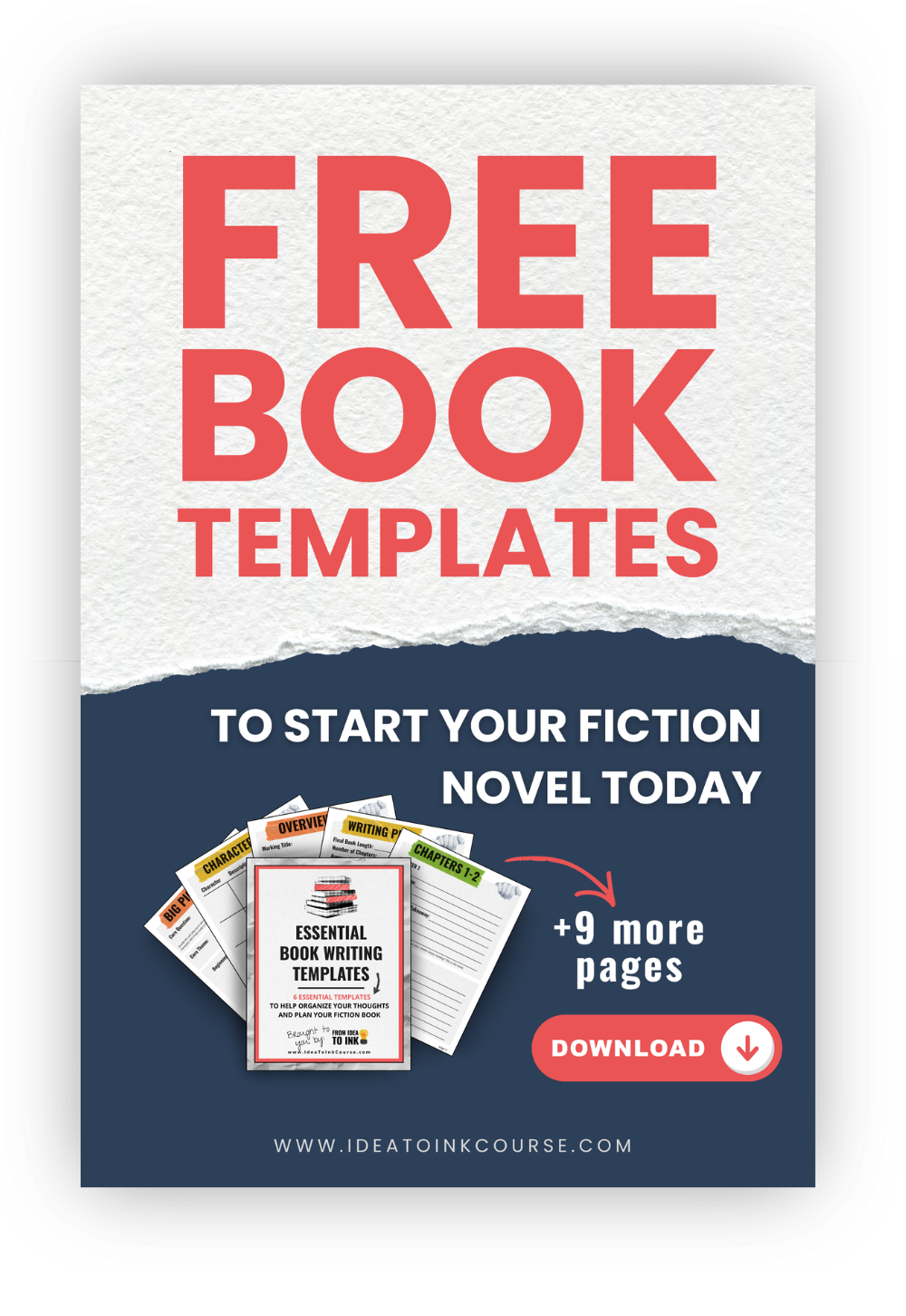
Note- we have free novel writing templates, but you don't have to use them. You can easily make your own, based on the descriptions below!
Best book writing worksheets to use at each stage
The most helpful worksheets usually match a specific stage of the process. When writers get frustrated, it is often because they are using a drafting tool to solve a planning problem, or a mindset prompt to solve a structure problem.
1. Book idea clarity worksheet
This is the worksheet to use when you have an idea but cannot yet explain what the book is about in a clear, focused way. It should help you answer simple but important questions. What is the core concept? Why does this book matter? What kind of book is it? What promise are you making to the reader?
For fiction, this might include the main conflict, central character, and emotional stakes. For nonfiction, it might focus on the reader problem, transformation, and main takeaway. If a worksheet cannot help you articulate the heart of the book, it is probably too vague to be useful.
2. Reader or audience worksheet
Many beginner writers skip this step because it feels less creative than brainstorming scenes or chapter titles. But knowing who the book is for changes everything. It affects tone, content, examples, pacing, and even what should be left out.
A strong audience worksheet asks you to define one real reader, not everyone who could theoretically enjoy the book. What do they want? What frustrates them? What kind of language will make them feel seen? For fiction, this can also help you understand market expectations without flattening your originality.
3. Story or book structure worksheet
This is one of the highest-value tools you can use. A structure worksheet helps you map the shape of the book before you get lost in the middle. It does not need to be rigid. In fact, the best ones leave room for discovery while still giving you milestones.
For novelists, that could mean major turning points, character decisions, rising tension, and ending payoff. For nonfiction writers, it often means the logical sequence of ideas, chapter purpose, and reader progression. If you tend to start strong and then lose direction around chapter three or four, this worksheet is not optional.
4. Character development worksheet
For fiction writers, character worksheets can be extremely helpful, but only if they go beyond surface details. Eye color and favorite coffee order are not what make a character compelling (although it is helpful to write these on the character sheet so you can reference it as you write). Motivation, contradiction, fear, desire, and change are what matter.
The best character worksheets help you understand how a character will behave under pressure. They also connect the character's inner world to the plot, so the story does not feel like a sequence of events happening to a cardboard person. If you write nonfiction with personal stories or case studies, a lighter version of this tool can still help you shape the people on the page.

5. Chapter planning worksheet
This worksheet is where a book starts to feel real. Instead of holding the entire manuscript in your head, you break it into manageable pieces. Each chapter gets a purpose, a key takeaway or event, and a rough sense of what belongs there.
This is especially helpful for writers who feel intimidated by word count. Writing a book sounds enormous. Writing one chapter with a clear objective feels possible. Good chapter worksheets reduce decision fatigue because you are not asking, "What should I write?" every time you sit down.
6. Scene planning worksheet
Novelists benefit from going one level deeper. A scene planning worksheet helps you clarify who is present, what changes, what conflict is active, and why the scene matters. This keeps scenes from drifting or repeating the same emotional note.
Not every writer needs to pre-plan every scene. Some discover their story by drafting (see my personal note below). But even discovery writers often find it useful to pause when the manuscript gets muddy and use a scene worksheet to regain focus.
Personal note- I added this part because a lot of people work best by planning scenes. I do not, and I think it can be overwhelming for some people. Remember, that these worksheets are merely suggestions. If something isn't working for you, don't use it! I compiled the worksheets that I use here, but you can always create your own. And remember, they don't have to be fancy, they just have to work for you. :)
7. Writing schedule and habit worksheet
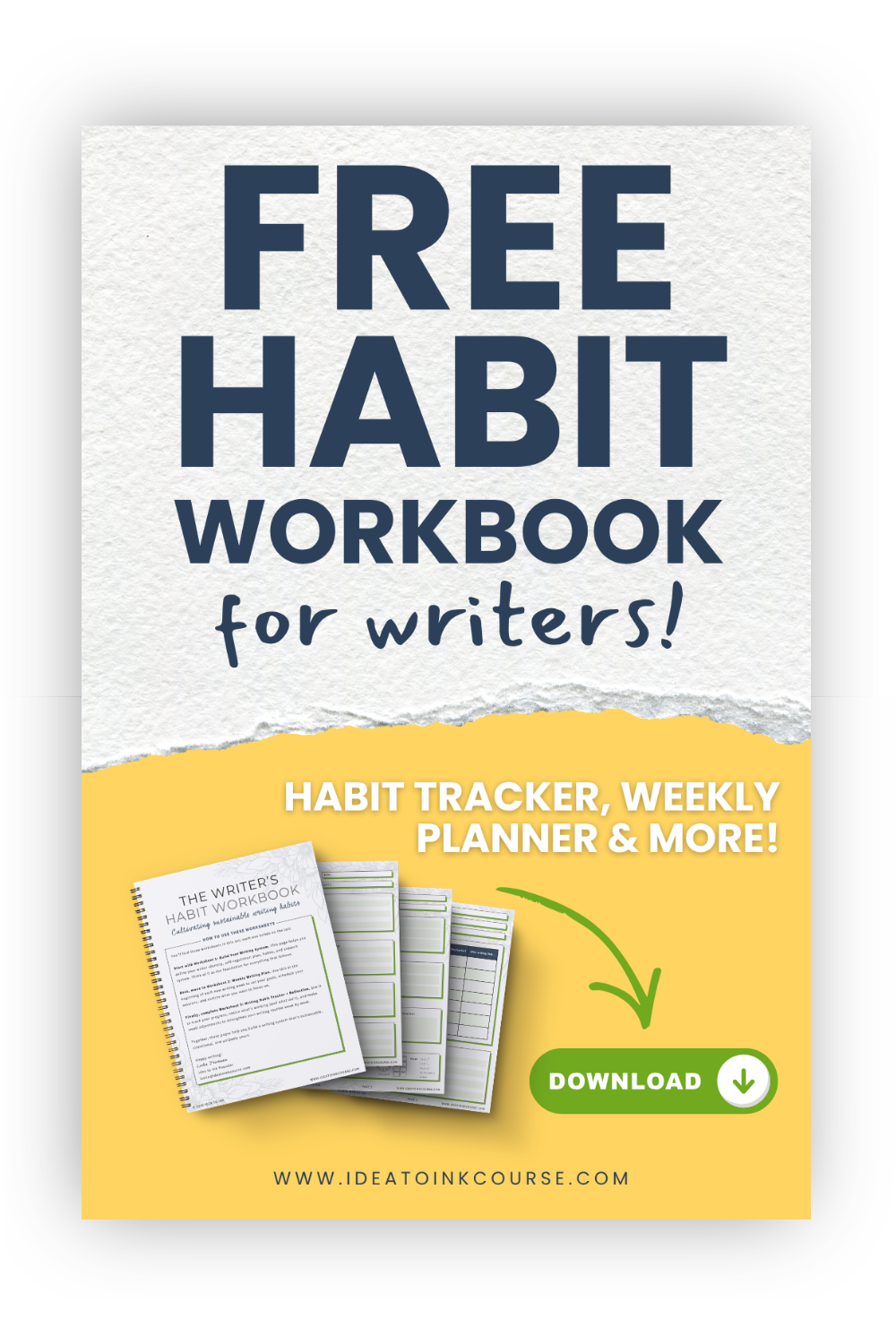
A beautiful book plan will not help much without a realistic writing rhythm. This worksheet should help you decide when you will write, how often, what counts as progress, and what might interrupt your consistency. (I actually made a whole different resource for this)
The important word here is realistic. If you work full time, care for family, and already know your evenings are unreliable, a worksheet that pushes a two-hour daily writing block may leave you feeling like you failed before you began. Better to build a plan you can actually keep. Twenty-five focused minutes, four times a week, can carry a draft much farther than an ideal schedule you never follow.

8. Revision worksheet
Writers often underestimate how useful a revision worksheet can be. Once a draft exists, the next challenge is figuring out what to fix first. Without a system, revision turns into random tinkering.
A strong revision worksheet helps you assess the manuscript in layers. This is something I do with my coaching clients. Big-picture structure comes first. Then clarity, pacing, character arc, argument flow, or chapter order. Sentence-level polish comes later. This matters because editing line by line before solving structural problems usually wastes energy.
9. Progress tracker worksheet
This may sound basic, but visible progress is powerful. A tracker gives you evidence that the book is moving, even when it feels slow. That can be as simple as logging sessions, word counts, chapter milestones, or weekly wins.
For overwhelmed writers, this kind of worksheet often becomes the difference between quitting and continuing. It reinforces momentum, and momentum builds confidence.
How to choose the best book writing worksheets for your process
You do not need all nine worksheets on day one. Start with the bottleneck you are experiencing right now. If your idea feels fuzzy, choose clarity and structure tools. If you know your concept but never follow through, focus on chapter planning and writing habit worksheets. If you already have pages, your best next tool may be revision support instead of more brainstorming.
It also helps to notice whether you need freedom or guidance. Some writers shut down when a worksheet is too detailed. Others feel calmer when every prompt is specific. Neither approach is wrong. The best fit is the one that helps you think clearly without making you feel boxed in.
Look for worksheets that are practical, not performative. They should produce decisions, not just reflection. By the end of the page, you should know something new about your book or what to do next.
A simple way to use worksheets without getting stuck in planning
Try this rhythm: complete one worksheet, make one decision, then write. That might mean using a chapter planner and then drafting that chapter. Or filling out a scene sheet and then writing the scene while the energy is fresh.
This matters because worksheets are meant to support momentum, not replace it. If you notice yourself collecting templates but not producing pages, narrow your toolkit. You probably need fewer forms and more follow-through.
That is one reason structured resources work best when they are designed as part of a larger writing process, not just downloaded and forgotten. At Idea to Ink, that kind of step-by-step support is central because beginner writers usually do not need more pressure. They need a clear path.
Why worksheets help writers finish
Finishing a book is rarely about waiting for better motivation. It is about reducing friction. The blank page feels heavy when every choice is still open. Worksheets lighten that load by helping you define the next piece of the work.
You do not need the perfect system before you begin. You just need enough structure to keep going when the initial excitement wears off. Pick the worksheet that solves today's problem, let it guide one real decision, and give that decision a page to live on. That is how books start taking shape...one clear step at a time.
Ready to write your book?
Download the Essential Book Writing Templates for FREE and start strong.
We think SPAM is icky. We will never sell your information, and you can unsubscribe at any time.