Pantser Versus Plotter Writing: Find Your Fit
A writer opens a fresh document with a thrilling idea, a few vivid characters, and no map. Another opens a carefully organized outline, complete with chapter goals and turning points. Both can write exceptional books. The question behind pantser versus plotter writing is not which kind of writer is more talented. It is which process helps you return to the page, make decisions with confidence, and finish the draft you started.
For aspiring authors, this distinction can feel unusually personal. If outlining makes you feel trapped, you may worry that structure will drain the life from your story. If you begin without a plan and lose momentum by chapter four, you may assume you lack discipline. Neither conclusion is true. Your writing process is a tool, not a personality test.
What Is Pantser Writing?
A pantser writes "by the seat of their pants." (Creative, right?) Rather than planning the entire book in advance, they discover the story or argument as they draft. They may begin with a character, a premise, a central question, or one scene they cannot stop thinking about.
For a fiction writer, pantser writing might mean following a protagonist into a difficult situation and learning what happens next through the act of writing. For a nonfiction writer, it could mean drafting freely around a topic, then noticing the strongest themes once ideas are on the page.
The strength of this approach is discovery. Because the writer has not predetermined every beat, they can be surprised by an unexpected connection, a richer character motivation, or a more meaningful message. The draft can feel alive because the writer is experiencing the book in real time.
That freedom comes with a practical cost. Without even a loose guide, some writers wander into scenes that do not serve the book's purpose. They may reach the middle and feel uncertain about what the story is building toward. Revision can become heavier because the structure must be created after the words already exist.
Pantser writing tends to work well when you have a strong instinct for story, enjoy experimentation, or need room to find your voice before you can make firm decisions. It can also be useful at the earliest stage of a project, when forcing a detailed outline would be premature.
What Is Plotter Writing?
A plotter (or planner. I use both terms) plans key elements before drafting. That plan can be as simple as a one-page list of major scenes or as detailed as a chapter-by-chapter outline with character arcs, research notes, and scene objectives.
Plotters do not necessarily know every sentence before they write it. They simply reduce the number of big questions waiting for them each time they sit down. Instead of asking, "What should happen next?" they can focus on how to make the next planned moment compelling.
For many beginners, this clarity is a relief. A plan turns an intimidating book idea into smaller assignments: introduce the problem, build pressure, reveal new information, lead the reader to the next key point. When life is busy, a clear next step makes it easier to maintain a writing habit.
The trade-off is that an outline can create a false sense of obligation. If you treat your plan as unchangeable, you may ignore a better idea simply because it was not on the original page. Some writers also spend months refining an outline because planning feels safer than drafting.
Plotter writing works especially well for writers who value visible progress, have a deadline, are managing a complex plot, or are writing a nonfiction book that needs a logical reader journey. It is also helpful when your biggest obstacle is blank-page paralysis rather than a shortage of ideas.
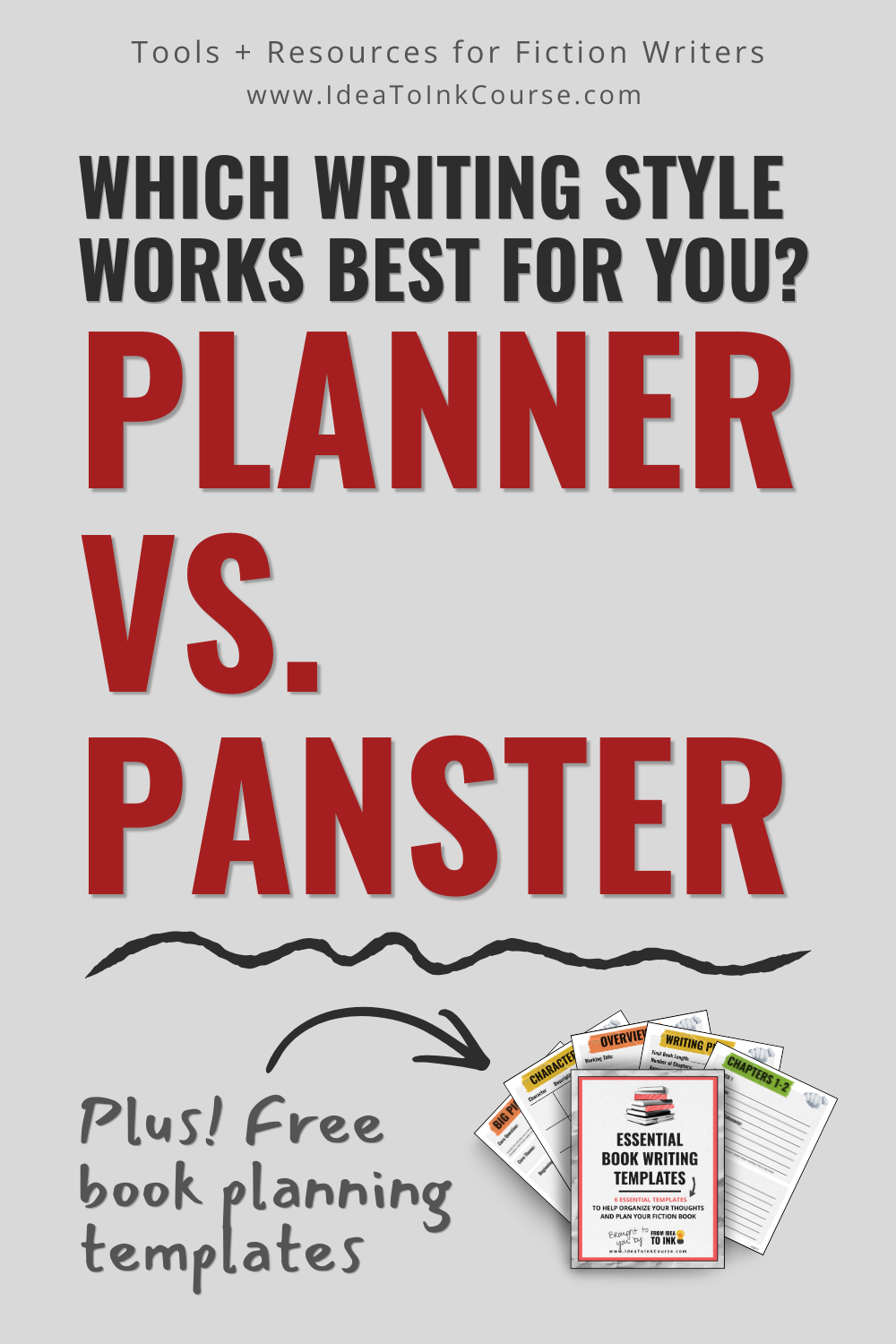
Pantser Versus Plotter Writing: The Real Difference
The real difference between pantser versus plotter writing is where you do your problem-solving. Pantsers solve more structural problems during drafting and revision. Plotters solve more of them before the first draft begins.
Neither process eliminates uncertainty. A plotter may still discover that a planned chapter falls flat once it is written. A pantser may still need to pause and make a plan when the draft loses direction. Every book asks for adjustment.
It also helps to separate drafting style from revision style. You may draft freely but become highly organized once you have material to shape. Or you may outline carefully, then give yourself permission to improvise inside each scene. Writers are often more flexible than the labels suggest.
If you have tried one approach and struggled, do not assume you chose the wrong identity. Instead, ask a more useful question: where did the process break down? Did you need more direction before drafting, more permission to explore, a better way to track ideas, or a smaller daily goal?
How to Choose the Process That Supports You
Start with your current challenge, not with the method that sounds most creative.
If you have been carrying a book idea for years but never begin, a simple plan may give you the confidence to take action. You do not need a fifty-page outline. Try defining your reader or protagonist, the central problem, the change that needs to happen, and five to eight major moments or chapters.
If you have made detailed plans but still cannot write a first chapter, your next step may be permission rather than more preparation. Set a short timer and draft one scene, memory, or section without judging whether it belongs in the final book. You are gathering material, not making permanent decisions.
If you consistently abandon drafts in the middle, add structure where you tend to stall. For fiction, identify the midpoint shift, the major setback, and the ending you are working toward. For nonfiction, create a working chapter sequence and write one sentence explaining what each chapter helps the reader understand or do.
If you lose enthusiasm when plans become too detailed, use checkpoints instead of a full outline. Plan only the next three chapters or scenes. When you reach the third, pause to assess what the book is asking for now. This gives you direction without asking you to predict every turn.
Try a Hybrid Method Instead
Many writers do their best work as plantsers, a blend of planner and pantser. A hybrid process gives you a dependable framework while leaving room for surprise.
Begin by creating a flexible book compass. For a novel, write down your main character, what they want, what stands in their way, what will change by the end, and the possible ending. For nonfiction, name your ideal reader, the transformation or answer your book offers, the core message, and the broad progression of chapters.
Then draft in manageable sections. Before each writing session, know the purpose of the scene or chapter, but do not require yourself to know every detail. Afterward, keep a simple running note of discoveries: new character details, possible themes, research questions, and future scenes. This prevents good ideas from disappearing while keeping the draft moving.
Every few chapters, review your compass. Does the book still point toward the same outcome? Has a better path appeared? Update the plan to reflect what you have learned. An outline is most useful when it serves the draft, not when the draft serves the outline.
This approach is particularly supportive for new authors because it creates structure without demanding perfection. You have a place to begin, a way to make decisions, and permission to change course when the writing reveals something better.

Build a Process You Can Repeat
Your first book does not need to teach you the one correct way to write forever. It needs to teach you what helps you finish. Keep brief notes as you work: when you felt energized, where you got stuck, how much planning you had done, and what helped you restart.
Over time, patterns will emerge. Perhaps you need a clear destination but prefer discovering the route. Perhaps you love outlining a nonfiction book but want more freedom in fiction. Perhaps you plot your major turning points and pants the chapters between them. Those are not contradictions. They are evidence that you are learning how your creative mind works.
At Idea to Ink, we believe structure should make writing feel more possible, not more restrictive. The best system is the one that turns your intention into pages and gives you enough support to keep going when motivation fades.
Choose the smallest next step that gives you clarity: sketch your book's key moments, write a messy exploratory page, or plan the next chapter only. Your process does not have to look impressive from the outside. It simply needs to help you come back tomorrow, ready to write.
Ready to write your book?
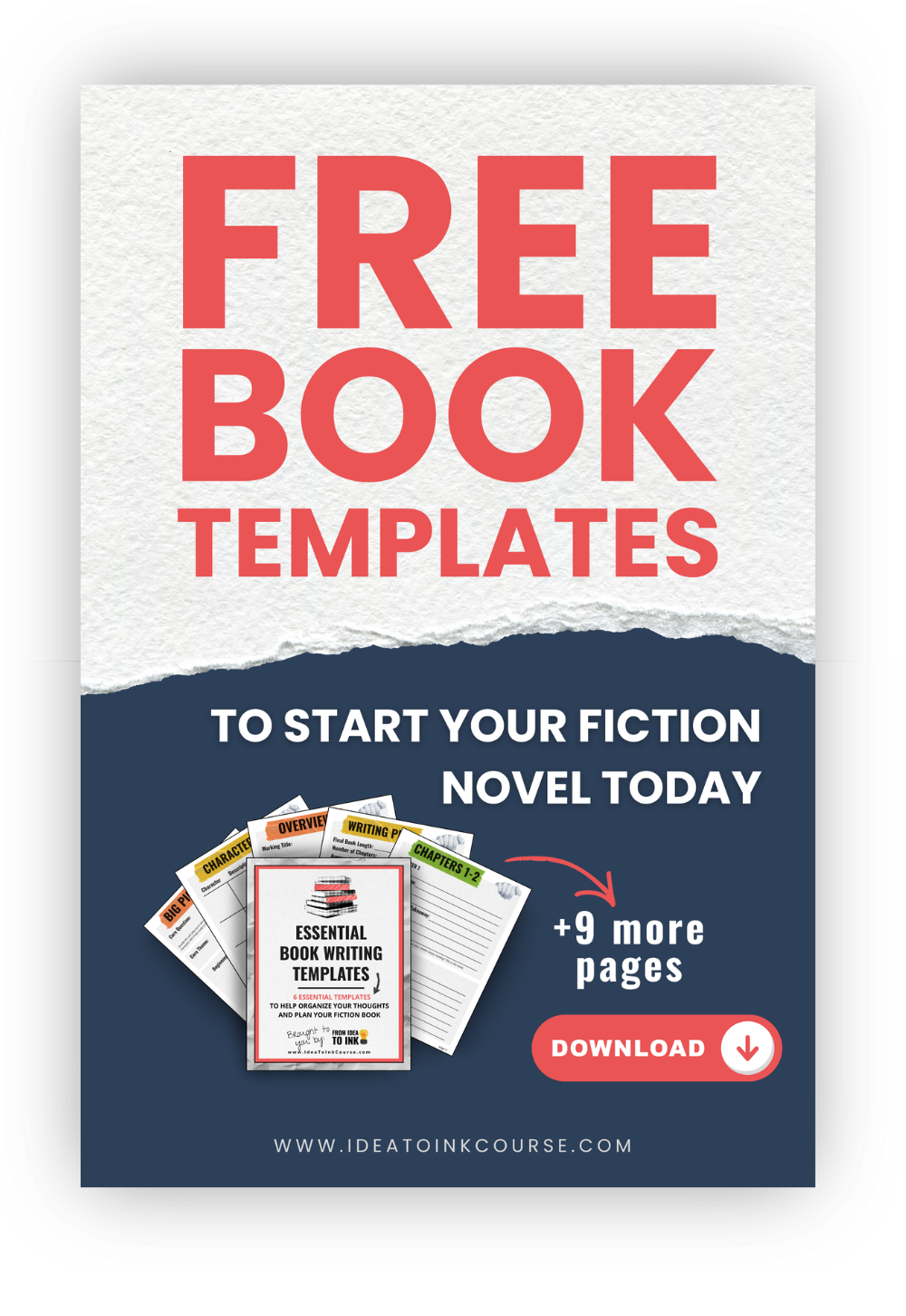
Download the Essential Book Writing Templates for FREE and start strong.
We think SPAM is icky. We will never sell your information, and you can unsubscribe at any time.