Novel Writing Support That Actually Helps
Most aspiring novelists do not quit because they lack imagination. They quit because they are trying to build a book with no blueprint, no feedback loop, and no reliable routine. That is exactly where novel writing support matters most...not as a luxury, but as the difference between endlessly thinking about a story and actually finishing one.
If you have a draft idea, a few scenes, or even just a strong feeling that there is a book in you, support can change the experience from confusing to manageable. The key is choosing the right kind of help. Not all support is equal, and not all writers need the same thing at the same stage.
What novel writing support should really do
Good support does more than cheer you on. Encouragement matters, but encouragement without structure can leave you inspired for a day and stuck again by the weekend.
Useful novel writing support should help you make decisions. It should give shape to your idea, break the work into smaller steps, and make progress visible. When writers stall, it is often because the next step is unclear. A strong support system removes some of that fog.
That might mean using a planning framework before you draft. It might mean daily prompts that reduce blank-page panic. It might mean accountability that helps you stay with the project long enough to build momentum. In many cases, it means all three.
There is also a confidence piece that writers sometimes underestimate. When you can see your process, you are less likely to assume you are failing. You are simply working through a sequence. That shift matters.
The different kinds of novel writing support
Support can come from tools, teaching, community, or personalized guidance. Each one solves a different problem.
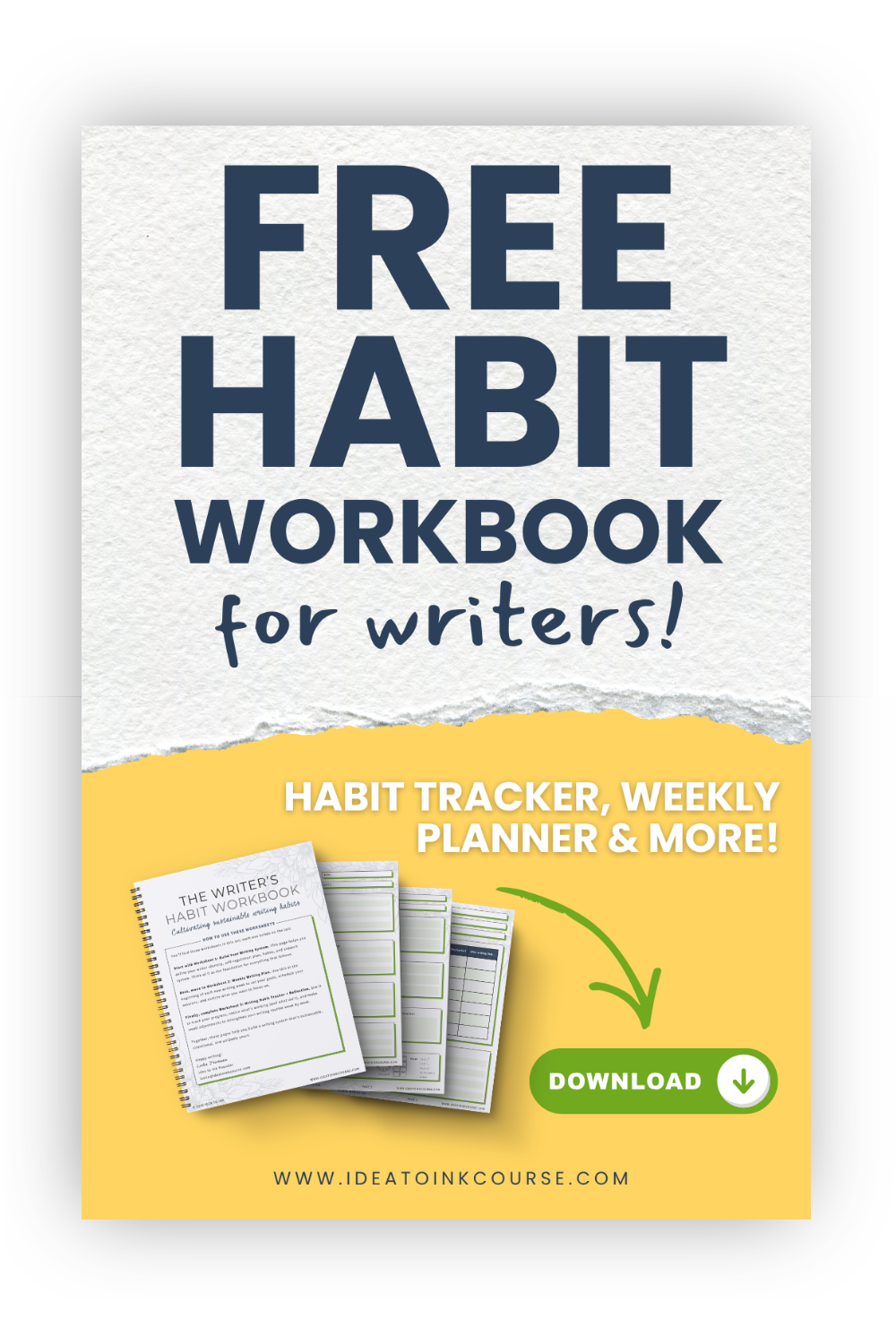
Templates and worksheets are often the best starting point for beginners. They help you organize characters, plot turns, themes, and chapter ideas without having to invent a system from scratch. This is especially helpful if you have plenty of ideas but struggle to sort them into a workable story.
Self-paced courses are useful when you want direction but also need flexibility. A well-designed course can walk you through the writing process in a logical order, helping you move from concept to outline to draft with less second-guessing. For writers with busy schedules, this can be more realistic than waiting for large blocks of creative time that rarely appear.
Writing groups and communities can provide motivation and emotional reinforcement. They can be powerful, especially if writing has felt lonely. But they are not always enough on their own. Community can keep you going, but it does not always tell you what to fix or what to do next.
Coaching offers the most personalized form of support. It is often the right fit when you have a specific project, recurring roadblocks, or a pattern of starting and stopping. A coach can help you identify where your process breaks down and create a plan that fits your life, not an imaginary ideal schedule.

When support helps most
Some writers assume they should wait until they are more serious, more skilled, or further along before asking for help. Usually, the opposite is true.
Support is most helpful when you are early enough to build a strong foundation. If you are still circling your premise, trying to understand your protagonist, or unsure how the middle of the book will hold together, guidance can save you from months of frustration.
It is also valuable in the messy middle. This is the stage where early excitement fades and the project starts asking more of you. You have to make structural choices, maintain consistency, and keep writing even when the book no longer feels shiny and new. Many writers misread this stage as proof they are not cut out for novel writing. More often, it is simply the point where they need better support.
Then there is the finishing stage, which can bring its own resistance. Some writers draft quickly but avoid revision because they do not know how to evaluate what they have. Others keep rewriting chapter one because completing the whole manuscript feels vulnerable. Support can help you move from endless tinkering to purposeful revision.
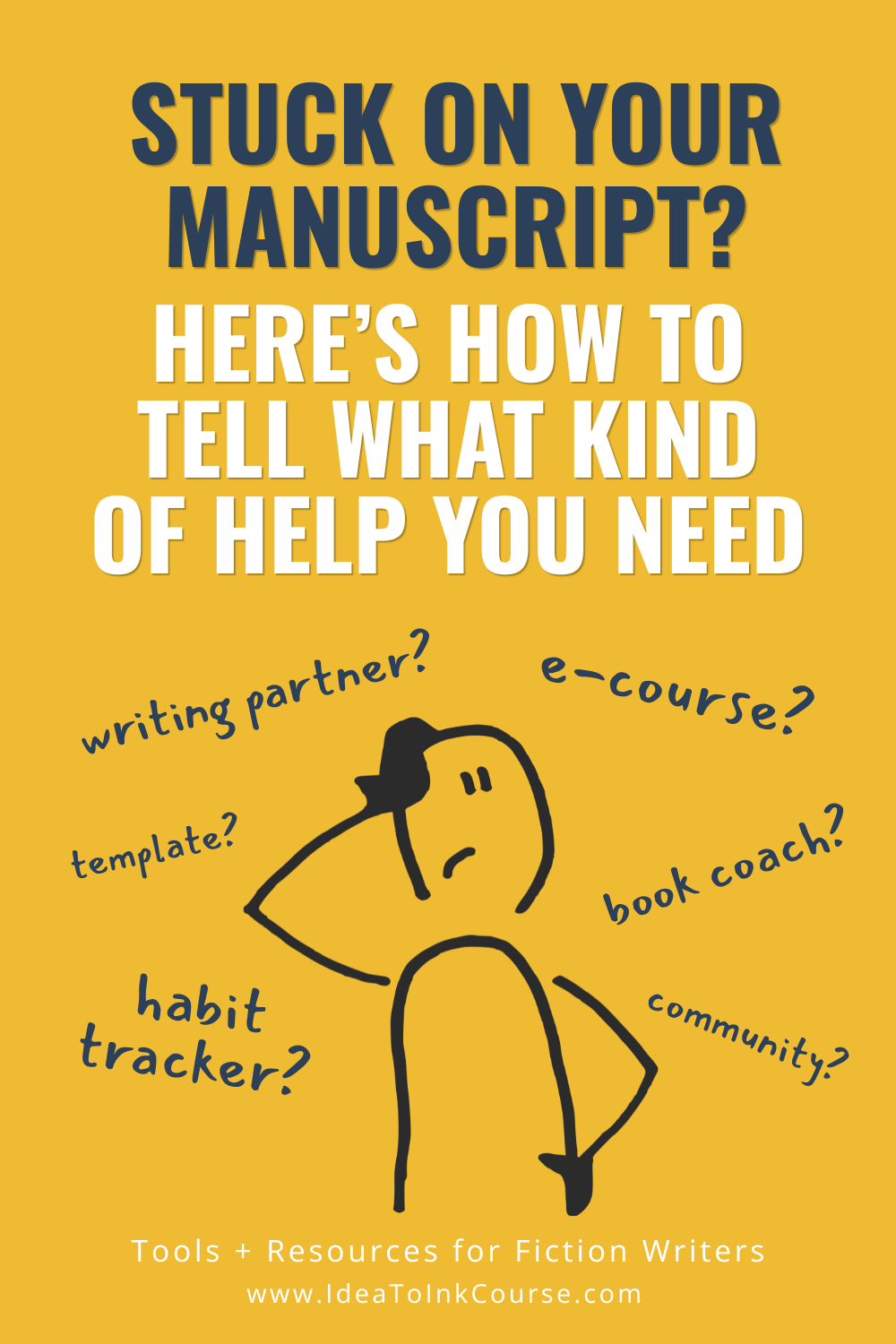
How to tell what kind of help you need
If you are overwhelmed, start by naming the actual problem. “I need help writing my novel” is honest, but too broad to guide your next move.
If your issue is confusion, you likely need structure. Look for planning tools, guided frameworks, or a course that walks you through the stages of development.
If your issue is inconsistency, you may need accountability. That could be a writing program with daily actions, a coach, or a check-in system that keeps your book visible in your week.
If your issue is self-doubt, you need support that combines instruction with encouragement. Pure motivation fades fast, but practical guidance paired with reassurance can rebuild confidence because it gives you proof of progress.
If your issue is craft, seek feedback or teaching that helps you strengthen story elements such as pacing, conflict, point of view, and scene purpose. It depends on how early you are in the process. Deep craft feedback on an undeveloped idea may be less useful than clarifying the story first.
What to watch out for
Not every form of help will move your book forward. Some resources are so broad that they leave you with more information but no action plan. Others are overly rigid and make you feel like you are doing it wrong if your process looks different.
That is an important trade-off. Structure is powerful, but it should support your creativity, not flatten it. A strong framework gives you direction while leaving room for discovery. If a method makes you feel trapped, it may not be the right one for your writing style.
It is also worth being honest about your season of life. A high-touch program may sound ideal, but if you currently need flexibility more than intensity, a self-paced option could serve you better. The best support is not the most impressive one. It is the one you can actually use consistently.
And if you are relying only on inspiration, that is usually a sign to add something more concrete. Inspiration starts books. Systems help finish them.
Building your own novel writing support system
You do not need a perfect setup. You need a usable one.
Start with one planning tool that helps you clarify your story. Add one routine that makes writing more regular, even if it is just twenty focused minutes a few times a week. Then add one form of accountability, whether that is a course, a coach, or a simple check-in practice (you can do this in our free community!) that keeps your manuscript from slipping to the bottom of your list.
This layered approach works because it addresses the three pressure points that stop most beginners: uncertainty, inconsistency, and isolation. When those are reduced, progress becomes much more likely.
For many writers, this is where a structured resource can make a big difference. A course like Idea to Ink can be especially helpful for turning a vague book dream into a step-by-step process, because it combines planning tools, guided learning, and supportive momentum instead of leaving you to figure everything out alone.

Novel writing support is not a shortcut
It is a framework. You still have to write the scenes, solve the story problems, and return to the page when the work feels slow. But support changes the conditions around that effort.
Instead of asking yourself to be endlessly self-motivated, you create a process that carries some of the load. Instead of facing every challenge as a sign that you are not a real writer, you begin to recognize challenges as normal parts of building a book.
That mindset shift is one of the most valuable outcomes of good support. It helps you move from emotional reacting to practical decision-making. What is the next scene? What is this chapter doing? What tool would make this easier? Those questions are productive. They keep the book alive.
If you have been waiting to feel more ready before getting help, consider this your permission to76. You do not need to earn support by struggling longer. You need the kind of support that helps you start clearly, keep going steadily, and trust yourself enough to finish what you began.
Your novel does not need a perfect writer.
It needs a writer (that's you!) with a plan, a process, and enough support to stay in the work.

Ready to write your book?
Download the Essential Book Writing Templates for FREE and start strong.
We hate SPAM. We will never sell your information, for any reason.