How to Write Your First Book
You do not need more talent, more time, or a perfect idea to write your first book. You need a workable process that helps you stop circling the idea and start producing pages. That shift matters, because most first-time authors are not stuck on creativity. They are stuck on structure.
If you have been carrying a book idea for months or years, the real challenge is usually not whether you can write. It is whether you know what to do next. A book feels huge when it lives in your head. It becomes manageable when you break it into decisions, milestones, and writing sessions you can actually complete.
Why writing your first book feels so hard
I think we should start with the obvious. Writing a book is hard. But it's not impossible. And, it becomes easier once you realize why it's hard and what you can do to make it easier.
A first book comes with pressure that later projects often do not. You are not just trying to draft chapters. You are also trying to prove something to yourself. That emotional weight can turn simple tasks into high-stakes moments. Suddenly a rough paragraph feels like evidence that you are not ready, when really it is just a rough paragraph.
There is also a practical problem. New writers often try to draft and develop the entire book at the same time. They are naming characters, refining the message, questioning the structure, and worrying about publication before page ten. That creates friction fast.
The answer is not to lower your standards forever; it is to sequence the work. First, decide what kind of book you are writing. Then shape the core idea. Then create a basic roadmap. Then draft. You can revise later with far more clarity than you will ever have while staring at a blank page.
Start with the kind of book you want to write
Before you build a plan, get specific about what you are making. A novel needs a different process than a memoir, and a practical nonfiction book needs a different structure than either one. If you skip this step, you may collect notes for weeks without getting any closer to a real manuscript.
For fiction, focus on the story engine. What keeps the reader moving forward? It may be a central conflict, a relationship under strain, a mystery, or a character who wants something badly and keeps meeting resistance. You do not need every scene mapped yet, but you do need a reason the story exists.
For nonfiction, identify the promise of the book. What will the reader understand, do, or feel differently by the end? That promise becomes your filter. It helps you decide what belongs in the book and what is interesting but off-track.
This part can feel deceptively simple (and like something you can skip over). It is not (and you should not skip it). A clear book concept saves time later because it gives your writing direction.
Write your first book by planning smaller than you think
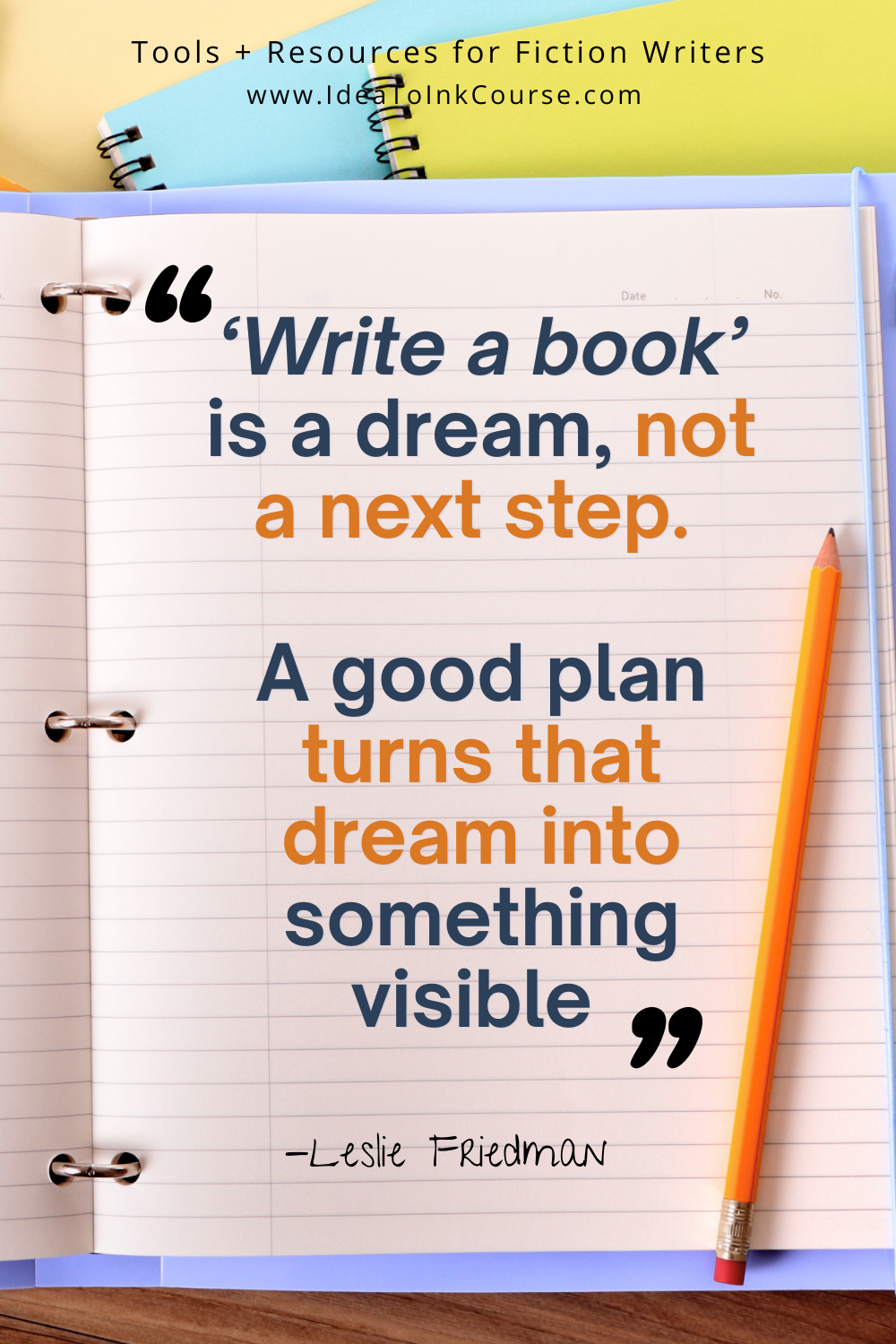
Many aspiring authors stall because their plan is too big to be useful. "Write a book" is a dream, not a next step. A good plan turns that dream into something visible.
Start with a rough target. Decide whether you are aiming for a short nonfiction book, a standard-length novel, or something in between. You do not need the exact final word count yet, but having a range gives shape to the project. It also helps you estimate how much material you need.
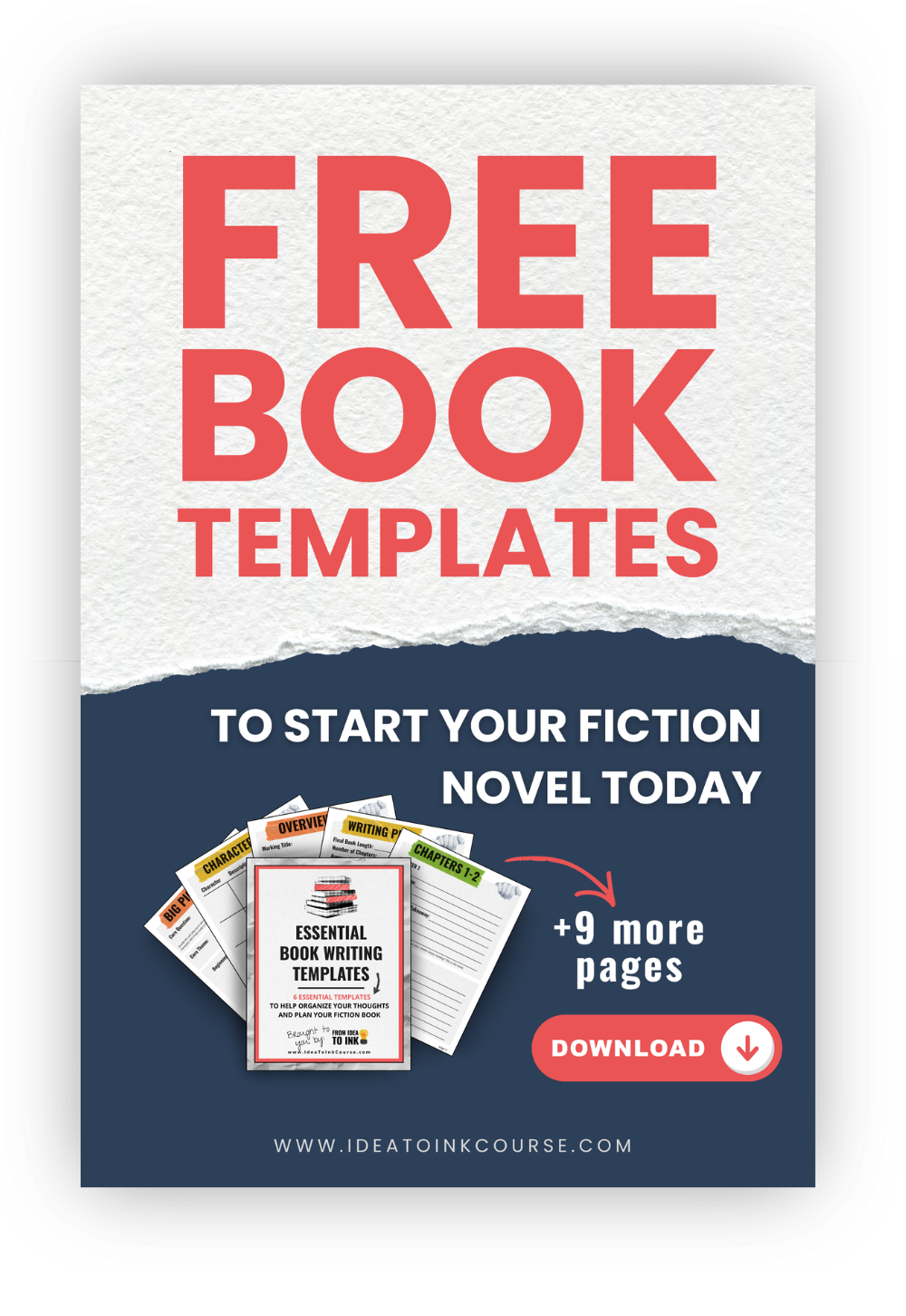
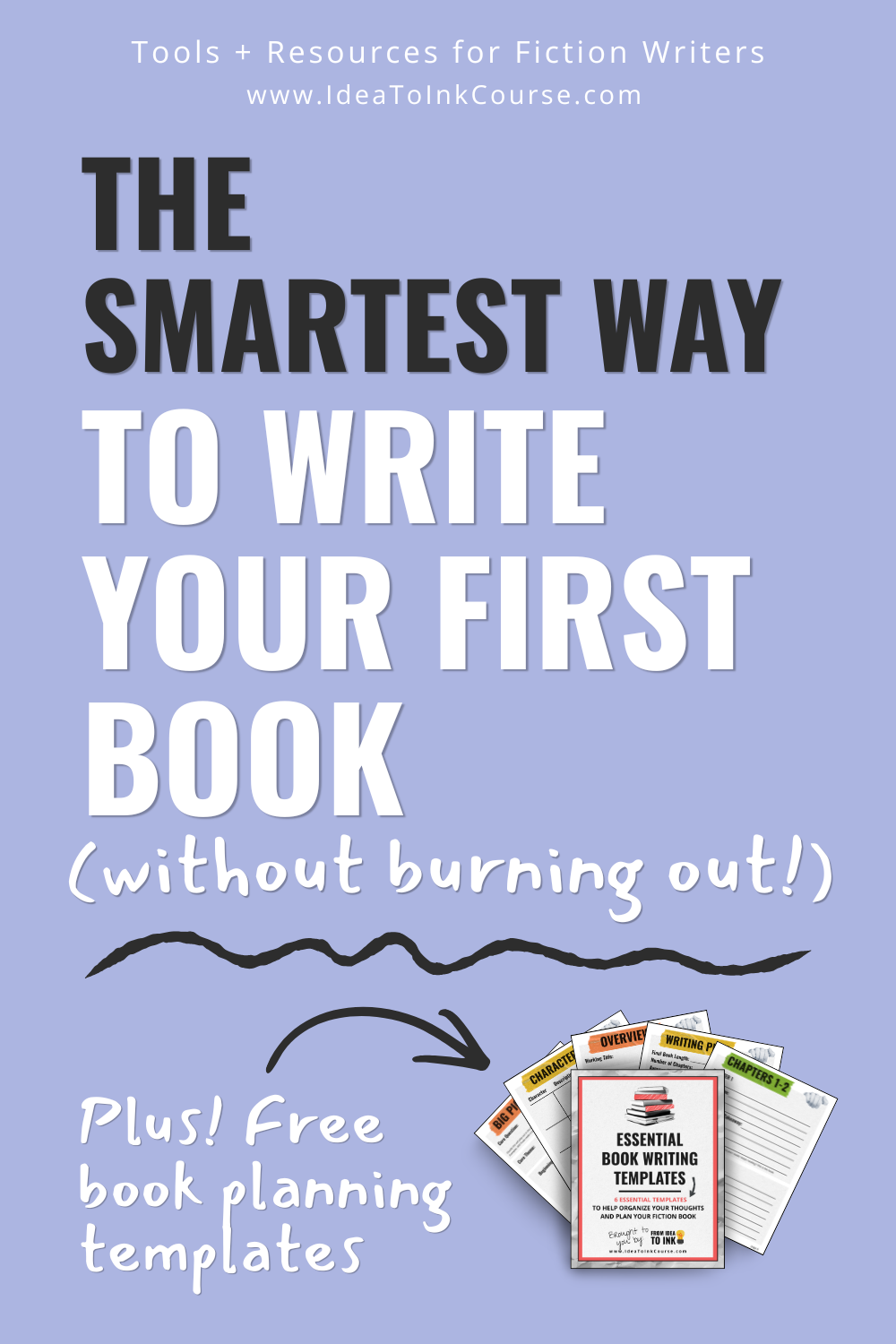
Next, sketch the book at the chapter level. If you are writing nonfiction, list the main points or stages your reader needs to move through. If you are writing fiction, outline the major turns in the story, including the beginning situation, rising complications, midpoint shift, and ending direction. Keep it simple. One or two lines per chapter is enough to start. (Here are some free templates for planning your first fiction book- including a chapter outline!)
This is where many writers worry that planning will kill creativity. Usually the opposite happens. A light structure gives your imagination something to work with. It reduces decision fatigue and makes it easier to sit down and draft.
Build a writing routine that matches your real life
A plan only helps if you can follow it. That means your writing routine needs to fit your current season of life, not an idealized version of it.
If you work full time, care for family, or have uneven energy, a seven-day writing schedule may sound inspiring but fall apart by week two. A better approach is to choose a pace you can repeat. Three focused sessions a week is often stronger than daily promises you cannot keep.
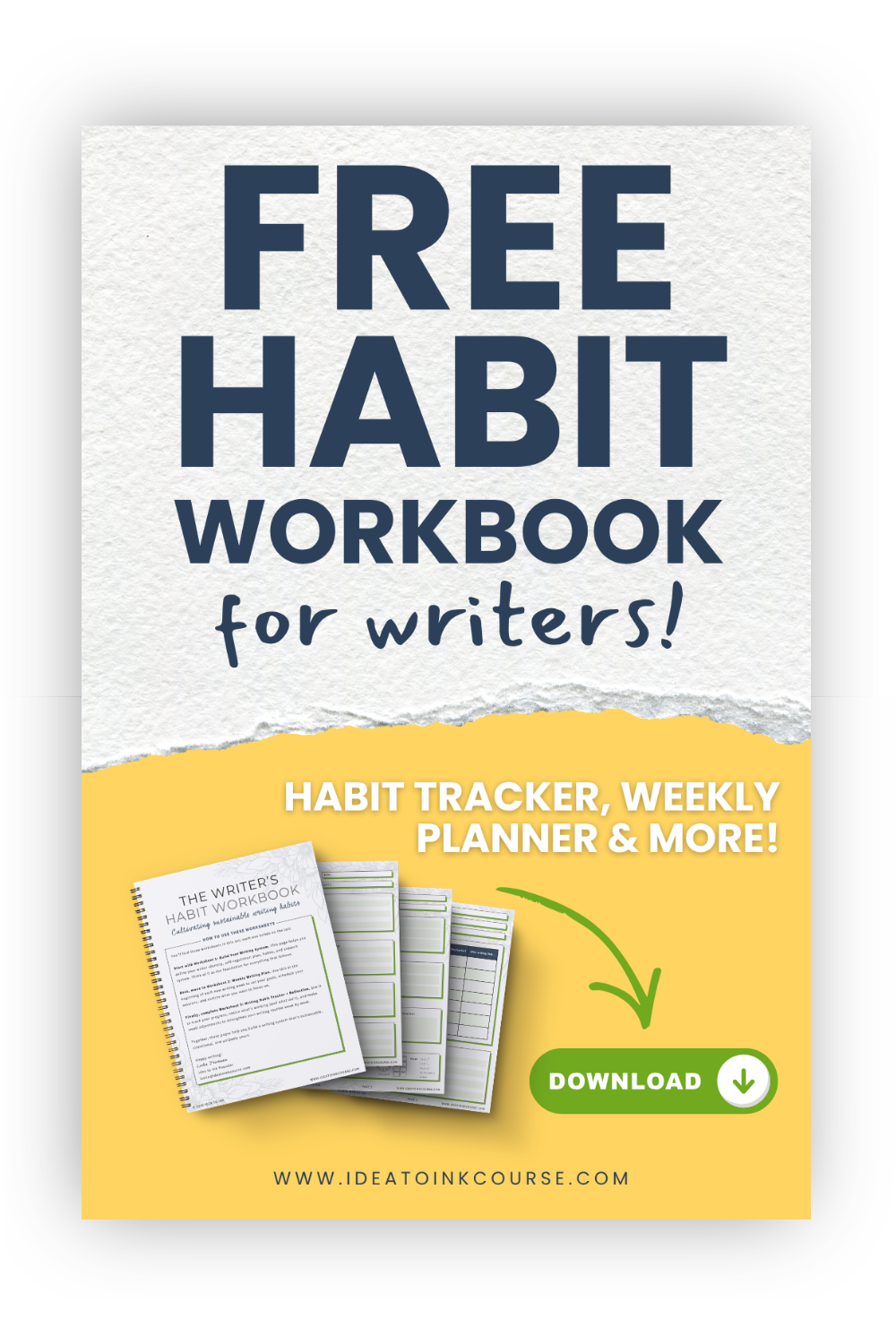
Decide when you write, where you write, and what counts as a completed session. For some people, that is 500 words. For others, it is 30 minutes of drafting with the phone in another room. The key is consistency, not intensity.
It also helps to separate writing from preparation. If your writing time starts with reopening research tabs, reorganizing notes, and changing the title, you are not really entering the manuscript. Protect some sessions for drafting only. You can plan and edit in separate blocks.

What to do when you do not feel ready
Most first-time authors think readiness comes before action. In practice, readiness grows because of action. You feel more like a writer after a week of showing up, not after another month of thinking about it.
That does not mean you should force yourself through every obstacle the same way. Sometimes hesitation is fear. Sometimes it is a signal that you need a clearer plan. If you keep freezing at the same point, ask a better question than "What is wrong with me?" (Hint: there's probably nothing wrong with you.) Ask "What information am I missing?"
Maybe you need a stronger chapter outline. Maybe you need to clarify the main character's motivation. Maybe you need to decide who the book is for. Confusion often disguises itself as procrastination.
When fear is the issue, lower the stakes of the session. Do not try to write a brilliant chapter. Try to write a usable one. Give yourself permission to draft badly on purpose. Momentum returns faster when perfection is not in charge.
How to keep going after the early excitement wears off
The beginning of a book usually gets a lot of emotional energy. You are excited, full of ideas, and imagining what the finished project could become. Then the middle arrives. This is where many writers drift, not because they lack commitment, but because the project stops feeling new.
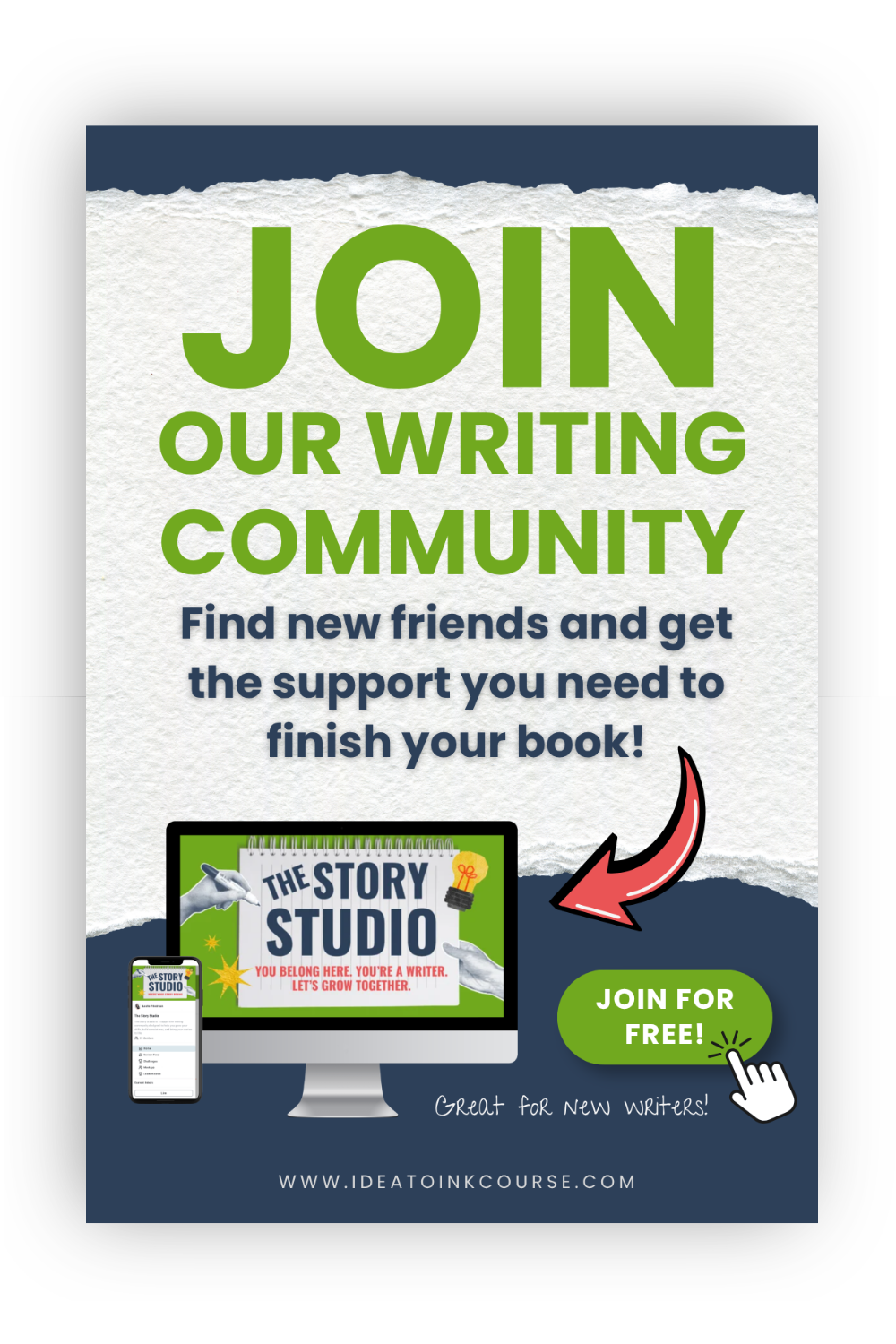
Middle-stage writing requires a different kind of motivation. You need systems that carry you when inspiration is inconsistent. That may mean setting weekly goals, tracking completed chapters, or using prompts to restart a stalled section. It may also mean getting support. Accountability can make a major difference when the project becomes more demanding. Idea to Ink (through our online community) hosts two virtual writing sessions a week. Honestly, knowing that I have to show up and others are going to ask about my progress is a huge help in the accountability department!
Be careful not to mistake slower progress for failure. Some chapters take longer because they solve bigger problems. Some weeks produce fewer words because you are figuring out structure. That work still counts.
At the same time, it helps to notice when you are circling instead of moving. If you have rewritten chapter one six times and have not started chapter two, you may be using revision to avoid uncertainty. First drafts need forward motion more than polish.
A simple drafting mindset for your first book
Your first draft is not a performance. It is a build. You are creating material you can shape later.
That distinction matters because many new writers judge the draft by standards that belong to revision. They expect the sentences to sing, the structure to hold, and the message to land perfectly on the first pass. That expectation makes drafting heavier than it needs to be.
Try this instead. Focus on clarity before elegance. Get the scene down. Capture the lesson. Move through the chapter. Leave notes to yourself when you need to. A bracketed comment like [add better example here] is not a failure. It is a smart way to keep momentum.
If you tend to abandon projects, make completion your first milestone. Not brilliance. Not publication. Completion. A finished rough draft teaches you more than an unfinished perfect beginning ever will.
The smartest way to write your first book without burning out
Writing a book asks for ambition, but it also asks for pacing. If you push too hard too early, you can turn a meaningful project into another source of pressure.
Protect your energy by making the process teachable to yourself. Use repeatable tools. Keep your outline visible. Break large chapters into smaller writing tasks. Review your progress weekly so you can adjust before you get overwhelmed. Structure is not restrictive here. It is supportive.
This is one reason many beginners do better with guided frameworks than with pure inspiration. A template, worksheet, or step-by-step writing plan gives your effort direction. It reduces the number of decisions you have to make alone. Idea to Ink is built around that principle because confident writing usually comes from clear next steps, not guesswork.
You do not need to know everything before you begin. You need a strong enough idea, a simple plan, and the willingness to keep showing up before the draft feels easy. Your book will become clearer as you write it.
It won't be easy, but it will be worth it.

Ready to write your book?
Download the Essential Book Writing Templates for FREE and start strong.
We think SPAM is icky. We will never sell your information, and you can unsubscribe at any time.