First Book Drafting Guide for New Writers
You do not need more talent, more time, or a perfect opening chapter to start your book. You need a process you can trust. That is exactly what a first book drafting guide should give you- not pressure to write brilliantly on day one, but a clear way to keep moving when the draft gets messy, uneven, or harder than you expected.
For most new writers, the problem is not desire. It is decision fatigue. You sit down to write and immediately face ten questions at once. What should happen in this chapter? Am I starting in the right place? Is this voice strong enough? Should I outline more before I continue? That mental noise slows everything down. A draft needs less second-guessing and more structure.
What a first book drafting guide should actually do
A useful first book drafting guide does not promise a magical routine or a one-size-fits-all writing plan. It gives you enough structure to make choices faster. It helps you turn a big creative goal into smaller, repeatable actions.
That matters because drafting is not the same as planning, and it is definitely not the same as revising and editing (if you're looking for editing resources, check out this article). Drafting is the stage where you generate material. You are building the raw book, not polishing it. When writers confuse those stages, they stall. They rewrite page one for three weeks and call it progress, but the manuscript never moves forward.
A good guide keeps your focus on one job at a time. During drafting, your job is to create pages you can shape later.
Start with a drafting target, not a vague intention
"I want to write my book" feels meaningful, but it is too broad to guide your week. A better starting point is a drafting target. That could be a rough word-count goal, a chapter goal, or a time-based goal.
If you are writing fiction, a practical target might be to draft one scene per writing session or three chapters per month. If you are writing nonfiction, you might aim to draft one section of your framework each week. The exact target depends on your life, energy, and project length. The point is to define what progress looks like before you begin.
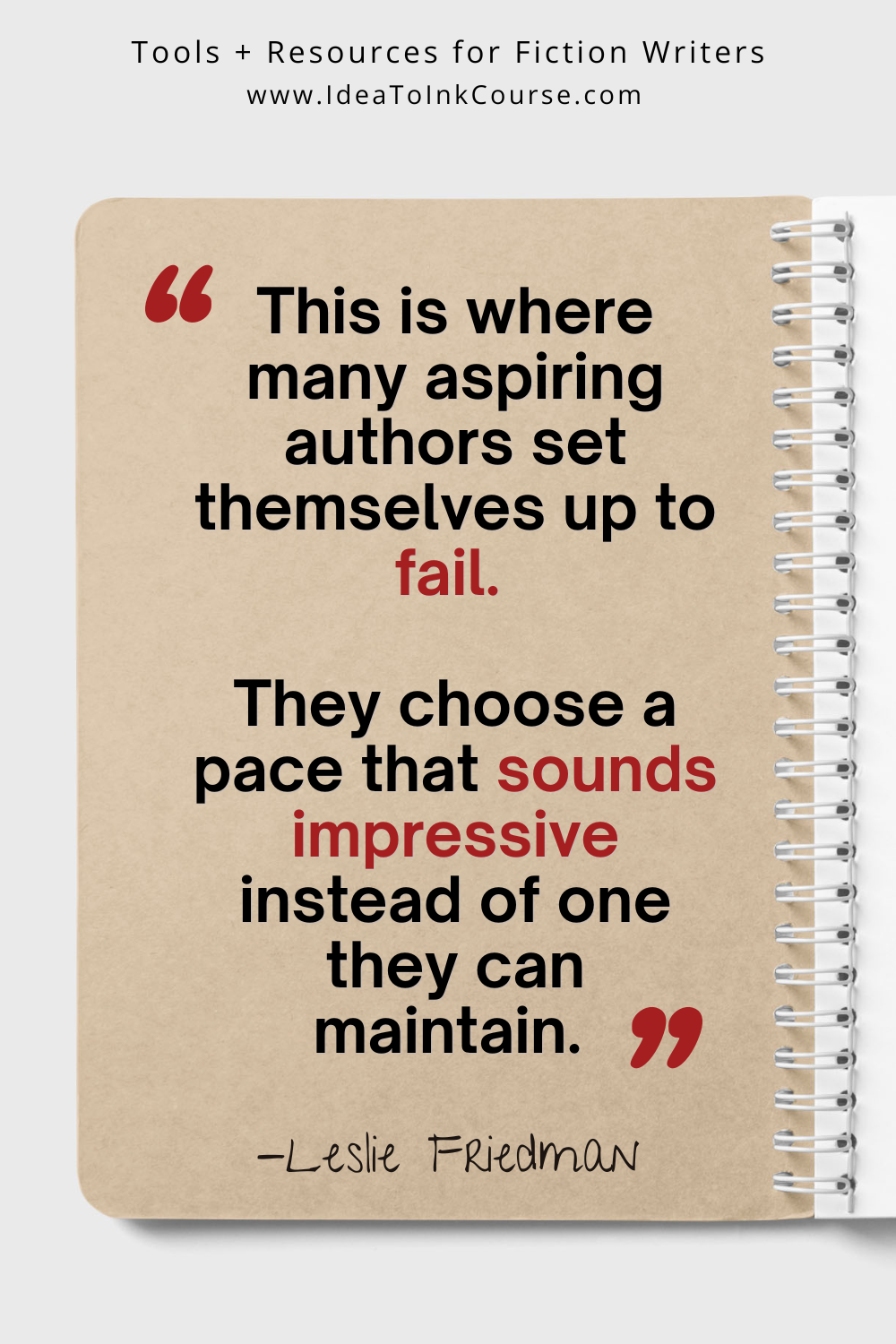
This is where many aspiring authors set themselves up to fail. They choose a pace that sounds impressive instead of one they can maintain. Writing 2,000 words a day may work for some people, but if you have a full-time job, caregiving responsibilities, or inconsistent energy, that goal can become discouraging fast. A smaller goal you actually hit builds more confidence than a bigger goal you avoid.
Build a drafting plan that fits your brain
Some writers can sit down with a blank page and discover the book as they go. Most beginners (including me) need more support than that. Not because they are less creative, but because decision-making takes energy. A little planning reduces friction.
Before you draft, create a working map. For fiction, that may mean a simple scene list, a character goal for each chapter, and a rough sense of the midpoint and ending. For nonfiction, it may mean a chapter outline, key teaching points, and examples you want to include. This map does not need to be beautiful. It needs to be usable.
Your plan should answer three practical questions: what comes next, why it matters, and what you need to write in this session. If you can answer those before you open the document, drafting becomes much less intimidating.
The fastest way to lose momentum
Perfectionism rarely looks dramatic at first. Often it shows up as constant adjusting. You tweak the outline, rename characters, rewrite your introduction, or spend forty minutes researching a tiny detail before drafting a single paragraph.
Those tasks can feel productive because they are writing-adjacent. But if they repeatedly replace actual drafting, they are slowing the book down.
This does not mean planning and research are bad. It means they need boundaries. If a question is stopping the scene or chapter entirely, make a quick decision or leave yourself a note in brackets and keep going. If you need a fact, mark it and return later. The draft can survive placeholders. What it cannot survive is endless hesitation.
Use a session structure that makes starting easier
One of the most helpful parts of any first book drafting guide is a repeatable session rhythm. You do not want to reinvent your process every time you write.
A simple structure works well. Start by reviewing your last few lines and your plan for the current chapter or scene. Then draft forward without editing for a set block of time. When the session ends, leave a note about what happens next. That final step matters more than many writers realize. It gives your future self a clear re-entry point, which makes tomorrow's session easier to begin.
If long writing blocks are hard for you, shorten them. Twenty-five focused minutes can be enough to move a draft forward. The goal is not to prove your discipline. The goal is to make writing regular enough that the story or message stays alive in your mind.
A first book drafting guide needs room for messy writing
New writers often assume the first draft should sound close to the finished book (*Cue laughter from every published author*). That expectation creates unnecessary pressure. A first draft is allowed to be awkward, repetitive, flat in places, or missing transitions. It is allowed to surprise you. It is allowed to contain chapters you later cut.
Messy drafting is not evidence that you are doing it wrong. It is evidence that you are generating material.
There is a difference between a draft that is imperfect and a draft that is directionless. Imperfect is normal. Directionless usually means you need more support in your outline, your chapter purpose, or your understanding of the reader. If you keep writing scenes or sections that feel disconnected, pause and ask what this part of the book is meant to accomplish. Clarity solves more drafting problems than inspiration does.
When to push through and when to step back
There will be days when the right move is to keep writing even if the pages feel weak. There will also be days when forcing the draft forward creates a bigger mess. Knowing the difference is part of becoming a stronger writer.
Push through when you know what needs to happen next but you are resisting because it feels hard, unfamiliar, or imperfect. Step back when you genuinely cannot see the shape of the chapter, when the book's purpose has become muddy, or when you keep rewriting because something structural is off.
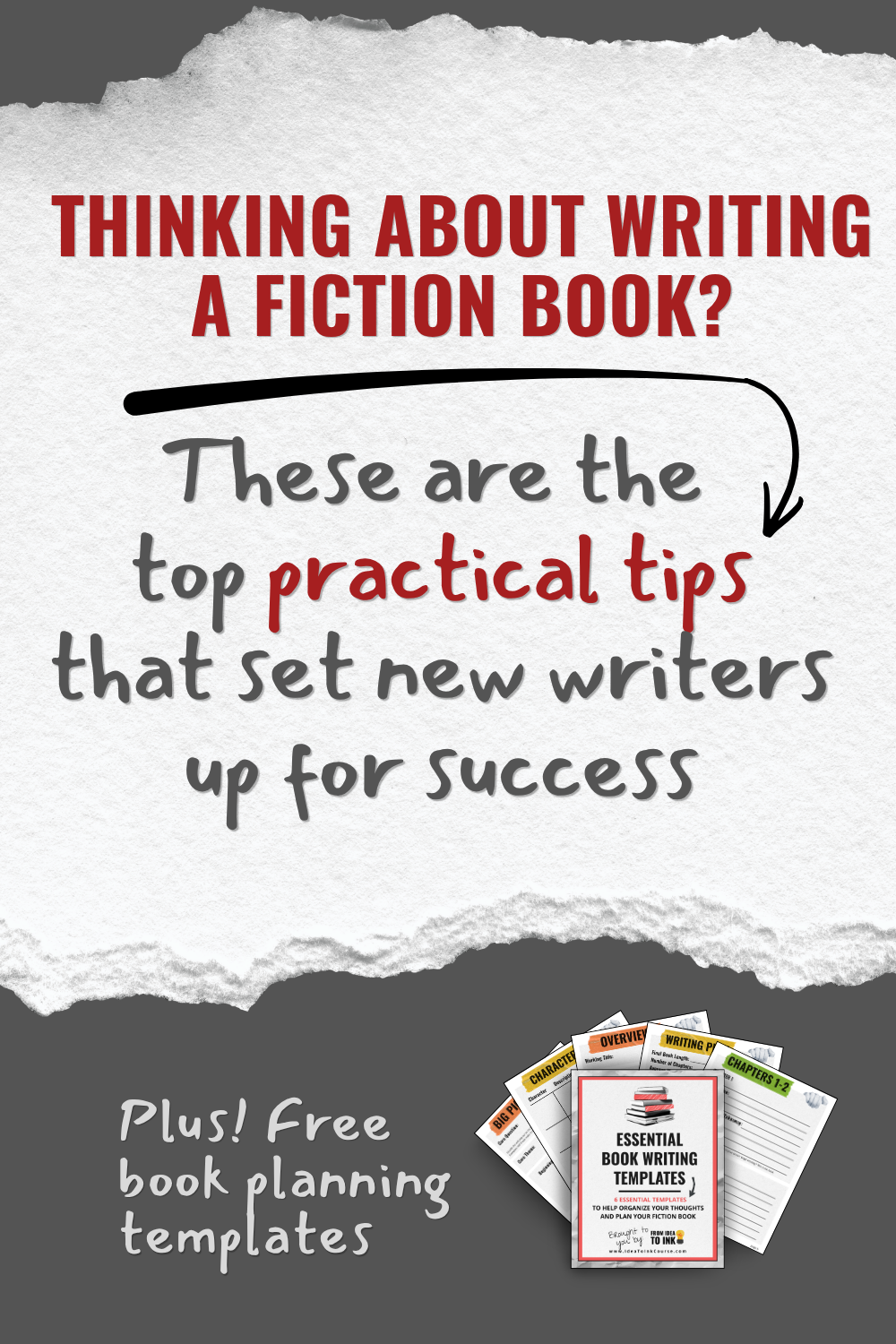
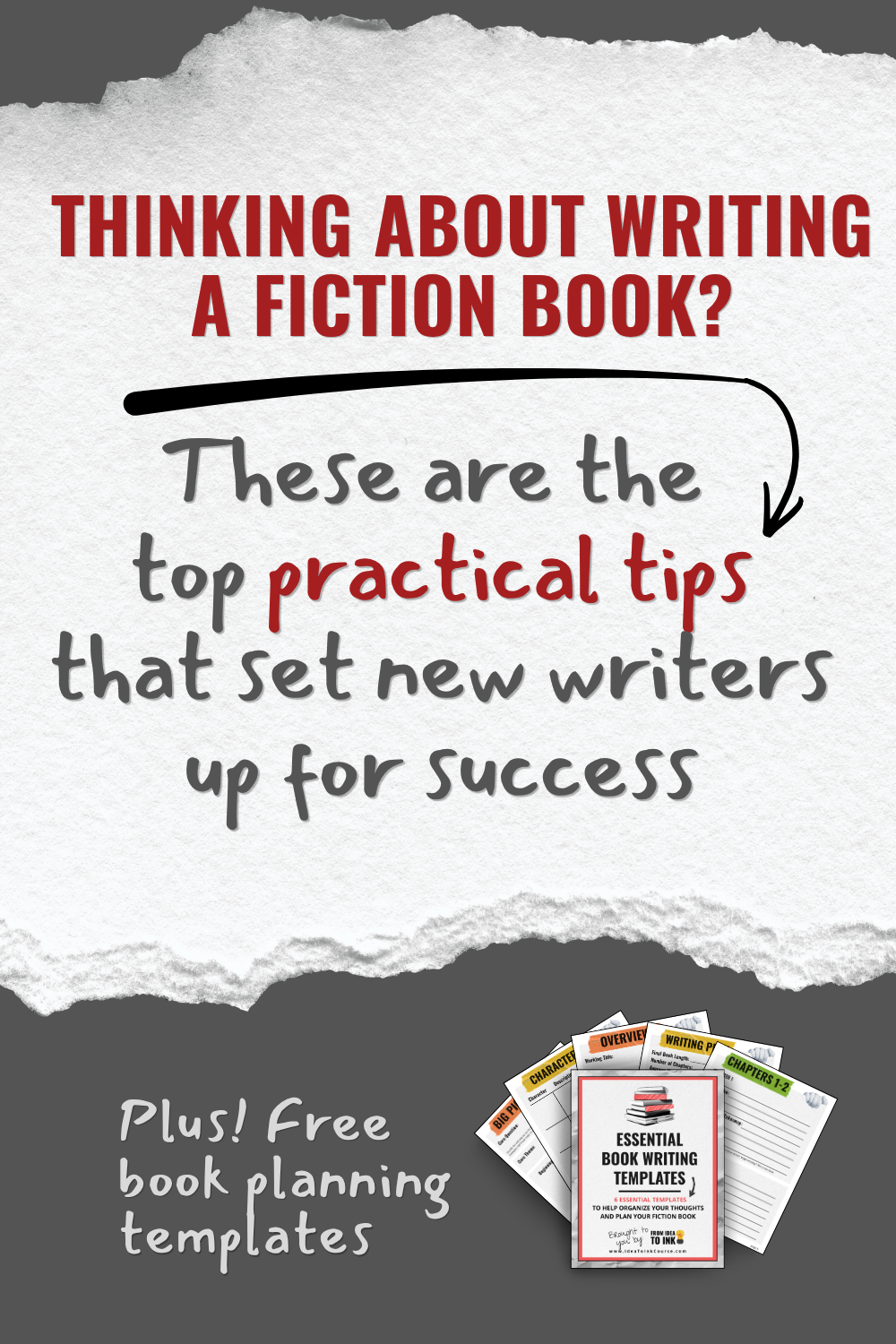
A short reset can help. Revisit your outline (if you don't have one-- you can download our FREE templates and easily create one). Write a few sentences about what this chapter needs to do. Identify the emotional shift, key takeaway, or plot movement. Then return to drafting with that clearer target.
Protect the draft from too much feedback too soon
Early feedback can be helpful, but it can also derail a new writer. If you share pages before you understand what the draft is trying to become, outside opinions may pull you in five different directions.
During drafting, choose feedback carefully. If you need support, ask for encouragement, clarity checks, or high-level reactions rather than line edits. You want input that helps you keep going, not commentary that tempts you into premature revision.
This is especially true for first-time authors who already doubt themselves. Confidence grows when you see proof of progress. Finishing a rough chapter is proof. Finishing a rough draft is powerful proof.
Your drafting system should be simple enough to repeat
You do not need a complicated writing dashboard to finish your manuscript. You need a small system you will actually use. That may include a project outline, a weekly writing schedule, a running list of chapter goals, and a place to track questions for later revision.
The best systems reduce mental load. They help you start faster, recover from missed days, and understand where you are in the process. If your method feels so elaborate that maintaining it becomes a task of its own, simplify it.
This is one reason guided resources can help beginners so much. Structure creates momentum. At Idea to Ink, that belief shapes everything because new writers usually do not need more pressure. They need a clear next step.
Finish the draft before you judge the book
A strange thing happens halfway through many first books. Writers start evaluating the entire manuscript based on one difficult week. They assume the project is failing because the middle feels slow or the voice feels inconsistent.
That is often just the normal discomfort of drafting. You are trying to build something large, and you can only see part of it at a time. The fix is not always to start over. Often, the fix is to continue.
Your first draft does not need to prove that your book is brilliant. It needs to exist. Once it exists, you can revise structure, sharpen language, deepen scenes, strengthen arguments, and improve pacing. Before that, you are trying to edit a book that is not fully there.
So if you are waiting to feel completely ready, do not. Choose a workable target. Build a light plan. Write the next chapter, then the one after that. Let the draft be unfinished, imperfect, and real. That is how books begin to become books.

Ready to write your book?
Download the Essential Book Writing Templates for FREE and start strong.
We think SPAM is icky. We will never sell your information, and you can unsubscribe at any time.