How to Move Through Writer Overwhelm
The moment you sit down to write, your book can suddenly feel enormous. You may have scenes, stories, research, or a message that matters deeply to you, but no clear answer to what comes first. That experience is writer overwhelm, and it does not mean you lack talent, discipline, or a book worth writing. More often, it means your next step is hidden beneath too many possible steps. The term we use in education is 'cognitive overload' and it means the same thing.
A book is a big creative project, but you do not have to carry the whole project every time you open your notebook or laptop. Your job is to create one small piece of forward movement, then another. With a little structure, the fog begins to lift.
What Writer Overwhelm Actually Looks Like
Writer overwhelm does not always look like doing nothing. Sometimes it looks like spending three hours researching a minor detail instead of drafting a chapter. It can look like rewriting your opening page for the tenth time, downloading more writing advice, or switching between several book ideas because none feels perfectly right.
These behaviors make sense. When a project feels uncertain, your brain looks for a safer task: planning more, polishing earlier, or gathering information. The problem is that activity is not always progress. A completed book needs decisions, imperfect pages, and a process you can return to even on busy weeks.
For aspiring authors, overwhelm often comes from trying to solve every writing problem at once. You want a strong premise, memorable characters, a compelling structure, polished prose, a marketable title, and a completed manuscript. All of those pieces matter, but they do not require your attention today.
Start by Reducing the Size of the Decision
When you feel stuck, avoid asking, “How do I write this book?” That question is too large to answer in one sitting. Ask a question your current writing session can answer instead.
For a novelist, that might be: “What changes for my main character in this scene?” For a nonfiction writer, it might be: “What is one lesson my reader needs before they can take the next step?” A smaller question gives your mind a clear target and makes it easier to begin.
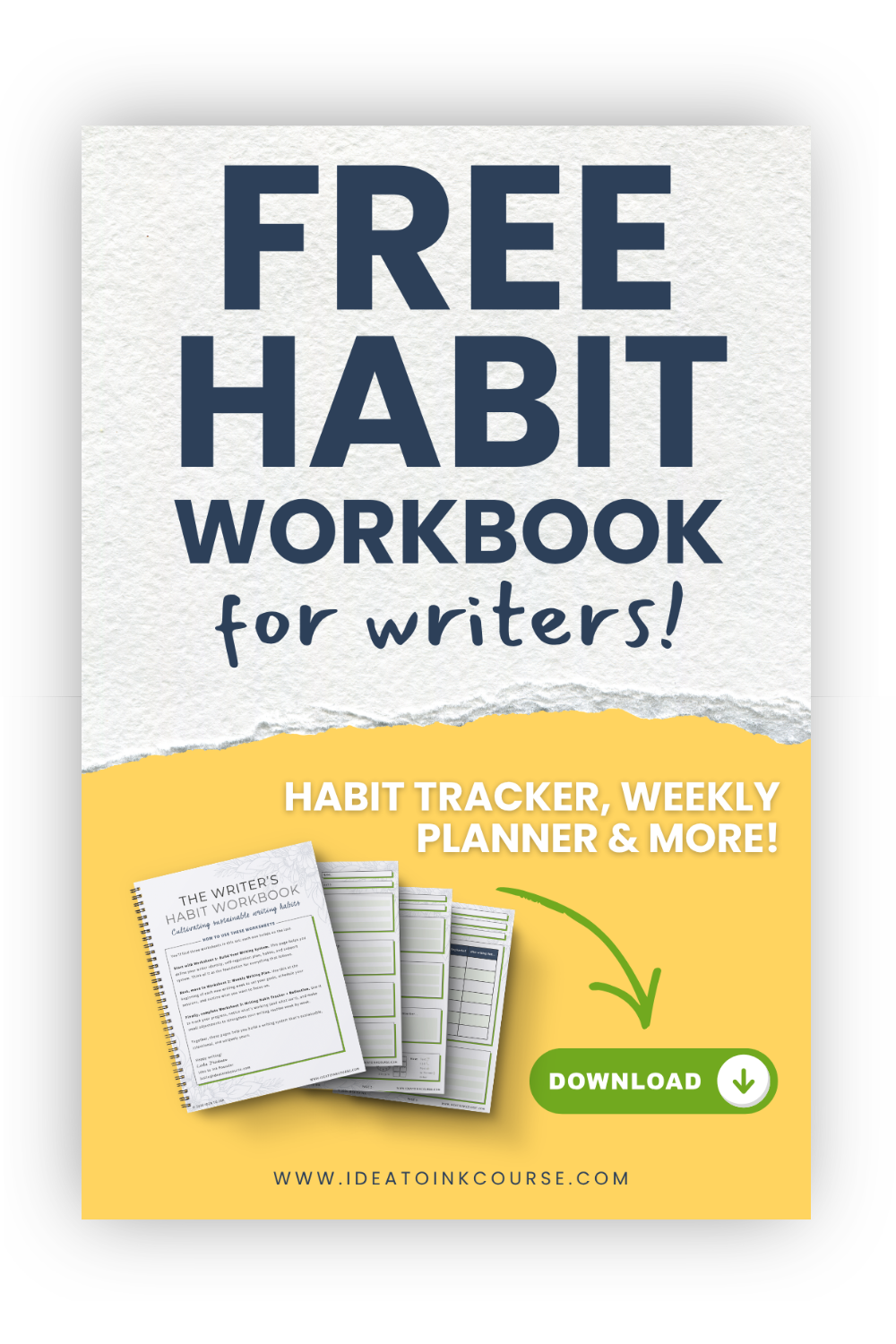
Try setting a session goal that is specific and modest. Write 300 rough words. List five possible chapter points. Describe the setting using three sensory details. Outline the story problem in one paragraph. These goals may seem small, but small goals build evidence that you can trust yourself to show up. Consistency is the key to starting, and actually finishing, your book. If you need a habit tracker, you can download one for free here as part of our Writer's Habit Workbook.
The goal is not to make every session impressive. The goal is to make your process repeatable.
Separate Planning From Drafting
Planning and drafting are both valuable, but they require different kinds of focus. When you try to do both at once, you may stop every few sentences to question the direction of your book. That is exhausting.
Give each activity its own space. During a planning session, make decisions about your chapters, character arcs, key themes, or research needs. During a drafting session, let the plan guide you and focus on putting words on the page. If a new idea appears, make a quick note and return to the section in front of you.
You do not need a detailed outline to benefit from this approach. Some writers need a chapter-by-chapter roadmap before drafting. Others work best with a flexible list of major turning points or ideas. It depends on your project and personality. What matters is having enough direction that you are not reinventing the book each time you write.
Create a Writing Plan You Can Keep
An ambitious plan can feel motivating on Sunday and impossible by Wednesday. If you have work, family responsibilities, health needs, or a full calendar, a daily two-hour writing promise may create more guilt than momentum.
Choose a rhythm that fits your real life. Three 30-minute sessions a week can move a book forward. So can one longer weekend session and two brief check-ins to review your notes. Consistency is less about writing every day and more about knowing when your book has a place in your week.
At the end of each session, leave yourself a simple note about what happens next. Write something like, “Next: explain why Maria refuses the offer,” or “Next: draft the example for Chapter 3.” This small habit makes the next session easier because you are not returning to a blank page and a blank decision.
It also helps to define what counts as success. A successful writing session might mean drafting, revising one page, organizing your research, or clarifying your chapter plan. You are building a book, not performing productivity for anyone else.
Use a Parking Lot for Every Good Idea
One source of overwhelm is the fear that you will lose an idea if you do not act on it immediately. A new subplot, a better opening, a possible chapter, or a research question can pull you away from the work you planned to do.
Keep one document or notebook page called a parking lot. When a new idea arrives, capture it in a sentence or two. Then return to your current task. You are not rejecting the idea. You are protecting it without letting it take over your writing session. I have so many 'cars' to park in my parking lot, I literally have a whole notebook that is used just for this reason. And guess where I go when I get stuck or need a burst of creative inspiration. That's right: the parking lot (notebook).
Review your parking lot during scheduled planning time, not in the middle of drafting. Some ideas will strengthen your manuscript. Others will be exciting but unnecessary. Giving yourself time to evaluate them helps you make choices based on the needs of the book, rather than the urgency of the moment.
Let the First Draft Be a Working Draft
Many writers feel overwhelmed because they expect their first draft to sound like a finished book. That expectation makes every sentence feel high stakes. It can also make you believe that struggling with a paragraph is proof that you are not a real writer.
A first draft has a different job: it gives you material to shape. It helps you discover what your story is truly about, where your explanation needs more support, and what belongs in the final manuscript. You cannot revise a blank page, but you can revise an imperfect one.
If perfectionism is slowing you down, try using a placeholder. Write [add research here] [describe the argument] or [find a stronger example] and keep moving. (Note- I prefer brackets because they are easy to see and you can CTRL+F and find them easily) You can return later with fresh eyes. This is especially useful when your momentum matters more than solving one small problem immediately.
There is a trade-off, of course. Placeholders work best when you actually schedule time to address them during revision. Keep them visible and track them in one place so they do not disappear into the draft.
Get Support Before You Feel Completely Stuck
Writing is personal, but it does not have to be lonely. Sometimes the fastest way through overwhelm is to tell someone where you are stuck and receive a clear next step. Accountability can help you protect your writing time, while feedback can help you see options you could not see alone.
The right support depends on what you need. A writing friend may be enough when you need encouragement and a weekly check-in. A template or guided workbook can help when your ideas feel scattered. A course (this one has a built in community) or coach may be a better fit when you want a structured path, personalized feedback, and help making decisions about your book.
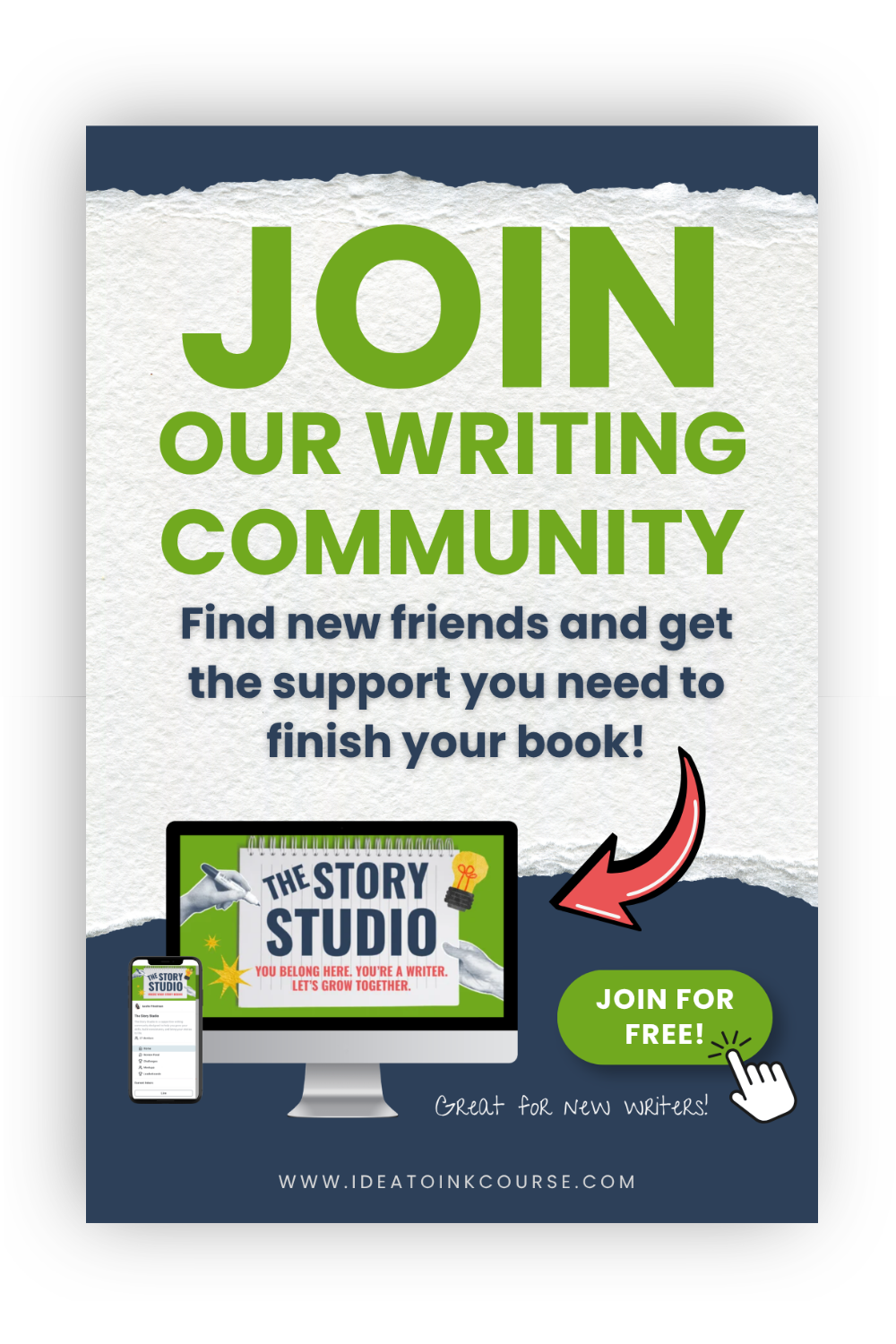
At Idea to Ink, the focus is on turning the wish to write a book into a manageable process. You do not need to have every answer before you begin. You need a starting point, a next step, and permission to learn as you go. We created a community just for writers, so you don't have to be alone. You can write with others (we hold silent writing sessions virtually every week) and meet your next new writer friend. To learn more (or join for free), click the banner below.

A Simple Reset for Overwhelming Days
When your book feels too big, take ten minutes before you write. First, name the exact problem: “I do not know what Chapter 2 is about,” not “I cannot write.” Next, choose the smallest useful action: review your outline, write a messy scene summary, or answer one question about your reader. Then set a short timer and work only on that action.
This reset will not finish your book in a day. It will do something more valuable: it will return you to a sense of agency. Every time you replace a vague worry with a clear task, you strengthen the habit of moving forward.
Your book does not need you to feel inspired every time you write. It needs your willingness to take the next manageable step, even when the path is still forming.

Ready to write your book?
Download the Essential Book Writing Templates for FREE and start strong.
We think SPAM is icky. We will never sell your information, and you can unsubscribe at any time.