What Is a Novel Template, Really?
Most writers do not get stuck because they lack imagination. They get stuck because they are trying to build a whole book while holding every moving part in their head at once. If you have been asking what is a novel template, the short answer is this: it is a structured writing tool that helps you organize your story before and during the drafting process.
A novel template is not there to make your book formulaic. It is there to give your ideas a place to land. For new writers especially, that can be the difference between endlessly thinking about a book and actually writing one.
What Is a Novel Template?
A novel template is a framework that breaks the novel-writing process into clear sections. Depending on the format, it may include spaces for your premise, character details, plot points, chapter ideas, setting notes, themes, scene planning, and drafting goals.
Think of it as a guided workspace. Instead of staring at a blank document and wondering where to begin, you start with prompts and placeholders that help you make decisions one step at a time.
Some templates are simple. They might give you a basic story structure with a beginning, middle, and end. Others are more detailed and walk you through character arcs, conflict escalation, subplot tracking, and scene purpose. Neither is automatically better. The right template depends on how much support you need and how your brain likes to process information. We recommend starting simple and then getting more complicated if you need to.
What a Novel Template Does for Writers
A good template gives shape to your thinking. That matters more than many aspiring authors realize.
When your story is still forming, everything can feel equally urgent. You may be thinking about the ending, the love interest, the villain's backstory, and the opening scene all at once. A template helps you separate those pieces so you can work on them without losing them.
It also reduces decision fatigue. Writing a novel involves hundreds of choices. If your template already gives you categories like protagonist goal, central conflict, midpoint shift, and chapter objective, you are no longer inventing your process from scratch. You are using a system that keeps you moving.
That sense of movement is often what builds confidence. Writers tend to feel more motivated when they can see progress. Filling out a story map, clarifying character motivations, or sketching a chapter sequence may not feel as dramatic as writing chapter one, but it creates real momentum.
What Is a Novel Template Not?
This is where many writers hesitate, and the concern is fair. Some hear the word template and imagine a rigid formula that drains originality from the work.
That is not what a strong novel template should do.
A template is not a substitute for creativity. It will not generate emotional depth, voice, or originality for you. It will not magically solve a weak premise. And it should not force every story into the same shape regardless of genre, pacing, or purpose.
Instead, a template gives you support where support is useful. It handles the scaffolding so you can focus on the story itself.
If you are writing literary fiction, your template may be looser. If you are writing a mystery or romance, you may want a more structured framework because reader expectations are often tighter. If you write intuitively and discover the story as you go, a template can still help, but you may use it more as a checkpoint than a blueprint.
Why Beginners Benefit Most From a Novel Template
Experienced novelists often have an internal process, even if they do not call it that. Beginners usually do not. They may know they want to write a book, but they do not yet know how to move from idea to outline to draft.
That gap is exactly where a template helps.
It answers questions that newer writers may not even know to ask yet. Who is driving the story? What does the main character want? What stands in the way? What changes by the end? Which scenes actually move the plot forward? Where does the tension rise?
Without a structure, many writers circle the same idea for months. They rewrite the opening repeatedly or collect notes in five different notebooks and apps. A template gathers that energy into one organized path.
For writers who feel overwhelmed, this kind of clarity is not a small thing. It turns a vague creative dream into a workable project.
Common Types of Novel Templates
Not every novel template looks the same, and that is a good thing.
Some focus on planning the whole book before drafting. These often include premise development, character profiles, plot mapping, and chapter summaries. They work well for writers who want to see the road ahead before they begin.
Others support the drafting stage. These may include scene planners, daily word count trackers, revision checklists, or prompts for what each chapter needs to accomplish. They are useful when you already have a concept but need help following through.
There are also genre-specific templates. A thriller template may emphasize suspense beats and reveals. A romance template may focus more closely on emotional turning points and relationship development. A fantasy template may make more room for worldbuilding, magic systems, and political structures.
Then there are hybrid templates, which many writers find especially helpful. These combine brainstorming, outlining, drafting, and revision tools in one place so your process stays connected from start to finish.

How to Know if You Need One
You probably need a novel template if you have a strong desire to write a book but keep running into the same friction points.
Maybe you have plenty of ideas but no clear order. Maybe you start chapters and abandon them. Maybe your story grows so quickly that it becomes hard to manage. Or maybe the blank page feels heavier than it should because you are trying to answer every writing question at once.
A template will not write the book for you, but it can remove unnecessary confusion. That matters because confusion often gets mistaken for lack of talent. They are not the same thing.
Sometimes the issue is not ability. Sometimes you simply need a clearer path.
How to Use a Novel Template Without Feeling Boxed In
The best way to use a template is as a guide, not a rulebook.
Start by filling in the sections that feel easiest. You do not have to complete everything in order. If you know your ending but not your opening, begin there. If your protagonist is vivid but your plot is fuzzy, work on the character and let the story grow around them.
Give yourself permission to leave blanks. A template should support discovery, not demand false certainty. You can return to unfinished sections as your story becomes clearer.
It also helps to treat your template as a living document. Your first ideas are not final. As you draft, your characters may surprise you, your pacing may shift, and stronger plot turns may appear. Update the template to reflect what the story is becoming.
That balance matters. Too little structure can leave you wandering. Too much structure can make the process feel stiff. A useful template holds the middle ground. It gives you enough shape to move forward and enough freedom to make the story your own.
Choosing the Right Novel Template for Your Process
The right template is the one you will actually use.
If it is too complex, you may avoid it. If it is too vague, it may not help. Look for a format that matches your current stage and your working style.
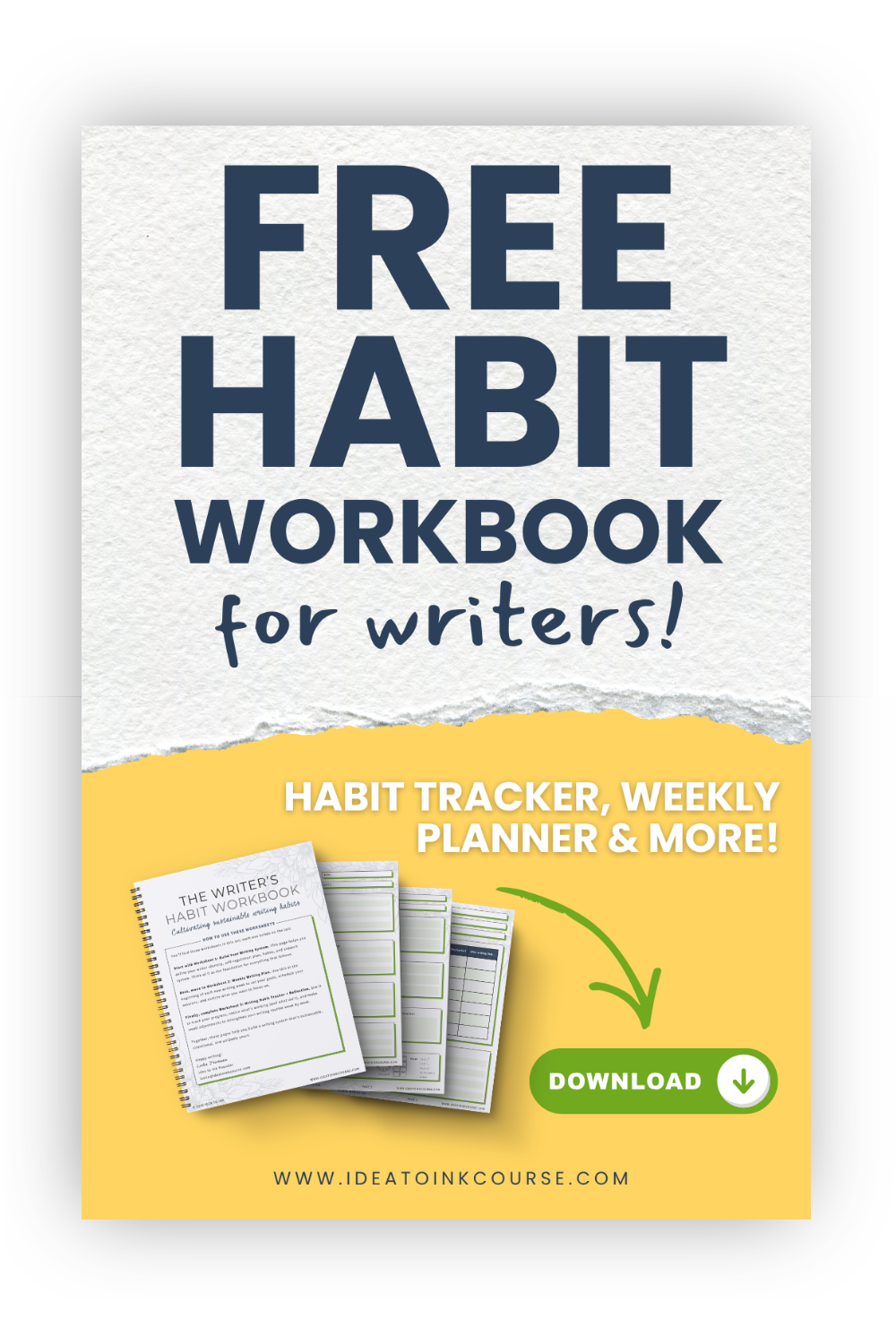
If you are brand new, choose something clear and guided. Prompts are your friend. If you already have a rough concept, a chapter planner or scene organizer may be enough. If you tend to lose momentum, pick a template that includes checkpoints and progress tracking, not just brainstorming pages. (You can also download our free habit workbook for writers)
You also want a template that teaches while it supports. The strongest tools do more than give you blank spaces to fill in. They help you understand why those story elements matter. That educational layer is often what builds real writing confidence over time.
This is one reason many aspiring authors do well with structured resources from brands like Idea to Ink. The goal is not just to hand you a worksheet. The goal is to help you think like a writer with a process.
A Better Way to Start Your Book
If writing a novel has felt bigger, messier, or more intimidating than you expected, that does not mean you are not meant to do it. It may simply mean you need more structure than guesswork.
A novel template gives your ideas a home, your process a shape, and your writing sessions a clearer purpose. That kind of support can calm the noise enough for your actual story to come through.
You do not need perfect clarity before you begin. You just need a place to start putting the pieces together.
Ready to write your book?
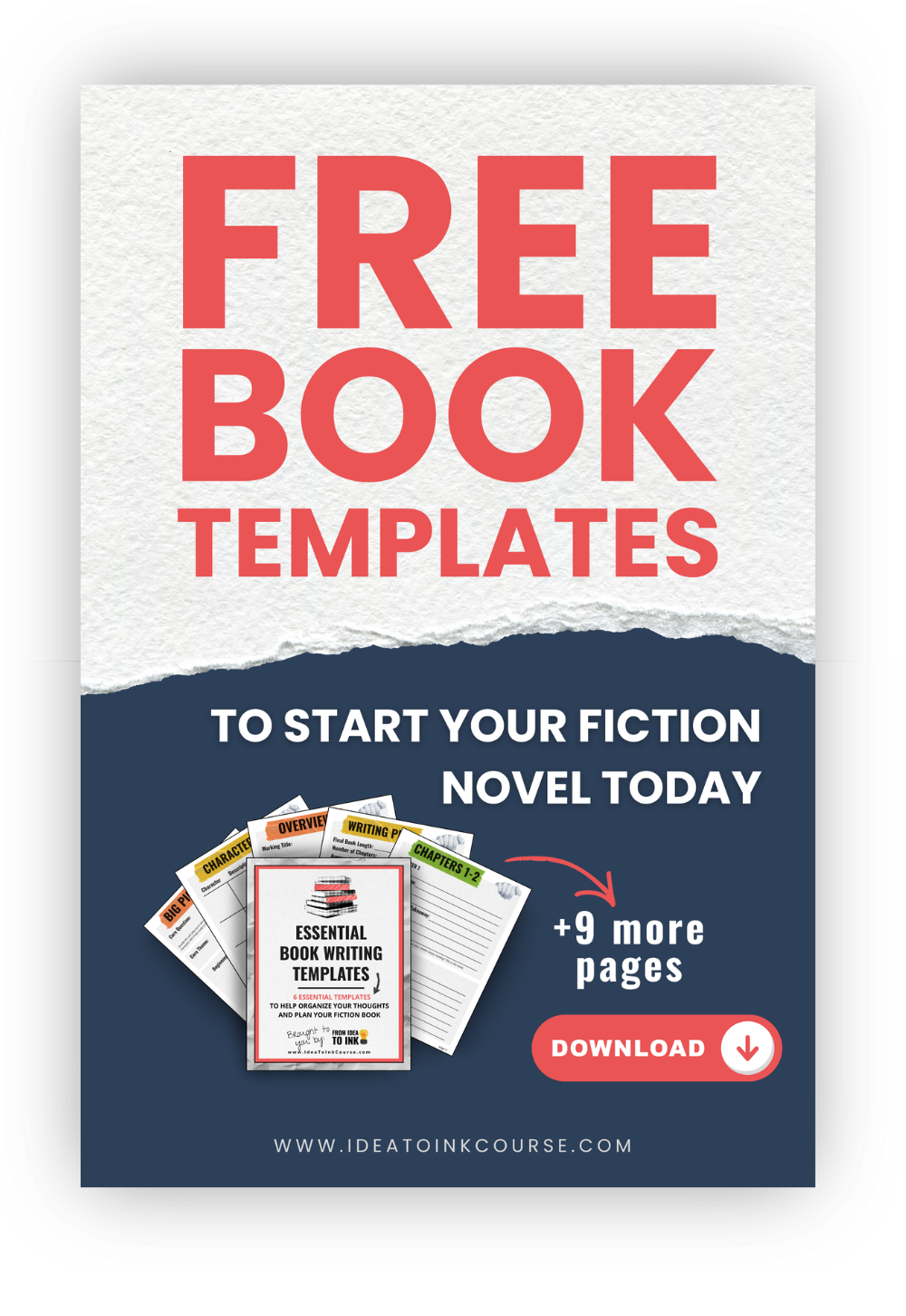
Download the Essential Book Writing Templates for FREE and start strong.
We hate SPAM. We will never sell your information, for any reason.