How a Creative Writing Support Group Helps
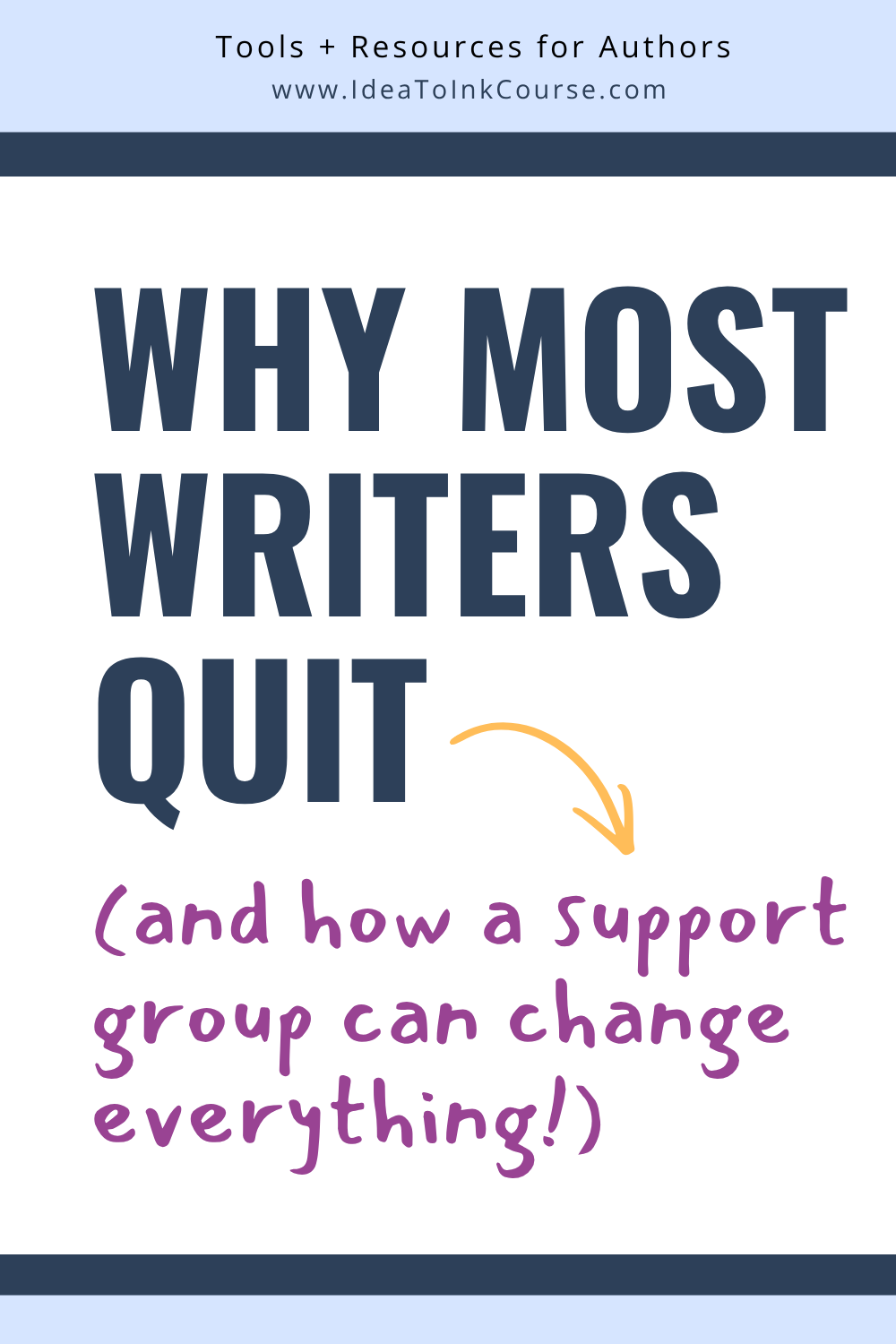
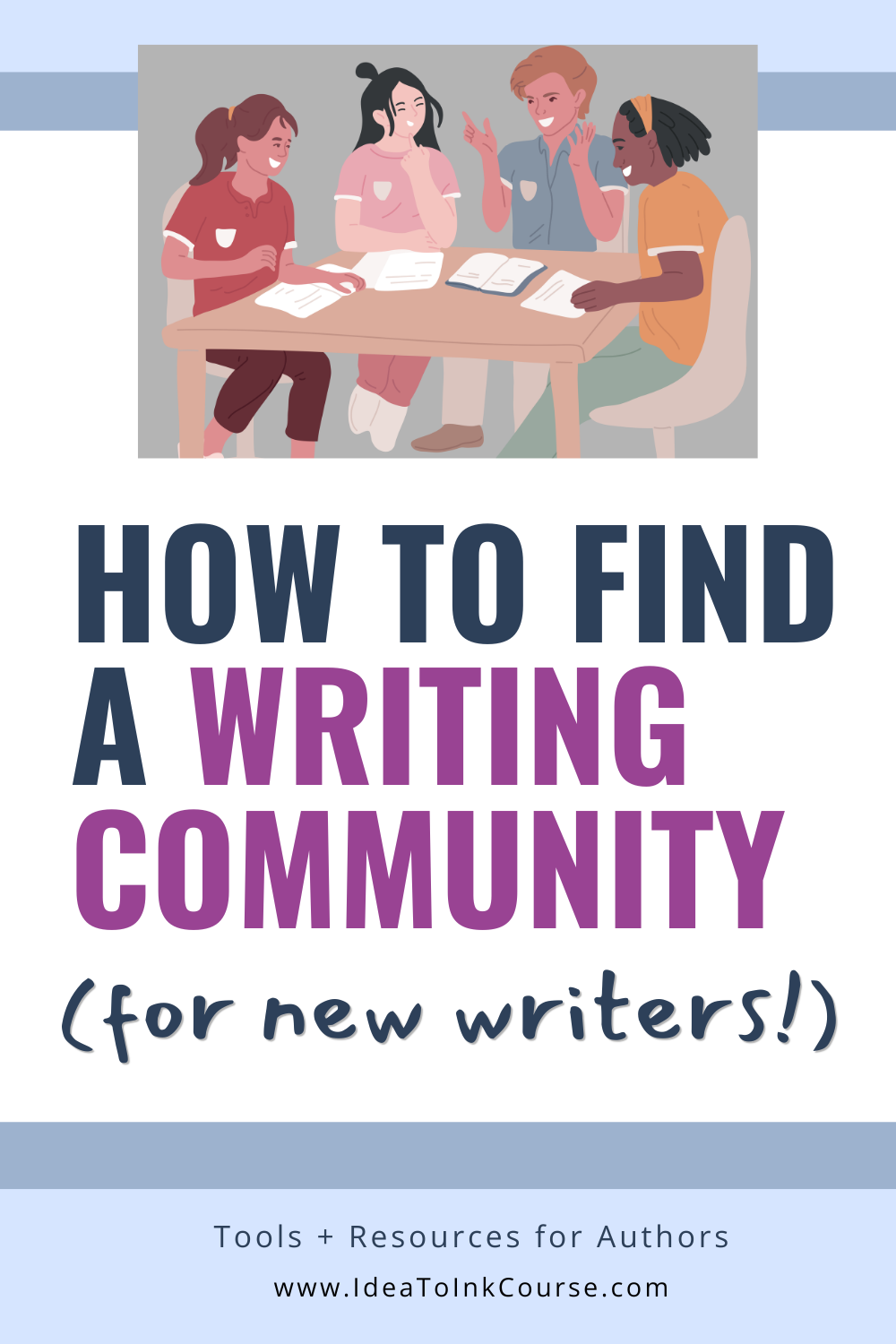
Most writers do not quit because they lack ideas or ambition. They quit because too much of the process happens alone. A creative writing support group can change that. It gives your writing a place to land before it becomes a finished book, and that matters when you are staring at a draft, second-guessing every sentence, and wondering whether to keep going.
If you have wanted to write a book for months or even years, support is not a luxury. It is often the missing structure. The right group can help you build consistency, get useful feedback, and stay connected to your own voice without feeling like you have to figure everything out by yourself.
What a creative writing support group actually does
A good group is not just a room full of people saying, "Great job, keep writing." Encouragement matters, but encouragement alone does not get a manuscript finished. The strongest creative writing support group gives you a combination of accountability, perspective, and process.
Accountability is the first layer. When other people expect you to show up, share pages, or report progress, writing stops being a vague goal and becomes a real commitment. That shift is powerful for beginners, especially if your draft has been living in your head longer than it has been living on the page.
Perspective is the second layer. You are too close to your own work to see all of it clearly. A group can help you spot confusion, repetition, weak stakes, or moments that feel especially strong. The value is not just praise or critique. It is learning how readers experience your words.
Process is the third layer, and it is the one many writers overlook. A support group can help you create rhythm. You stop waiting for perfect conditions and start working within a pattern. Write, share, revise, repeat. That rhythm builds confidence because progress becomes visible.
Why writers make faster progress in a group
Writing a book is creative work, but it is also behavior. It depends on habits, decisions, and follow-through. That is why so many aspiring authors do well when they add community to their practice.
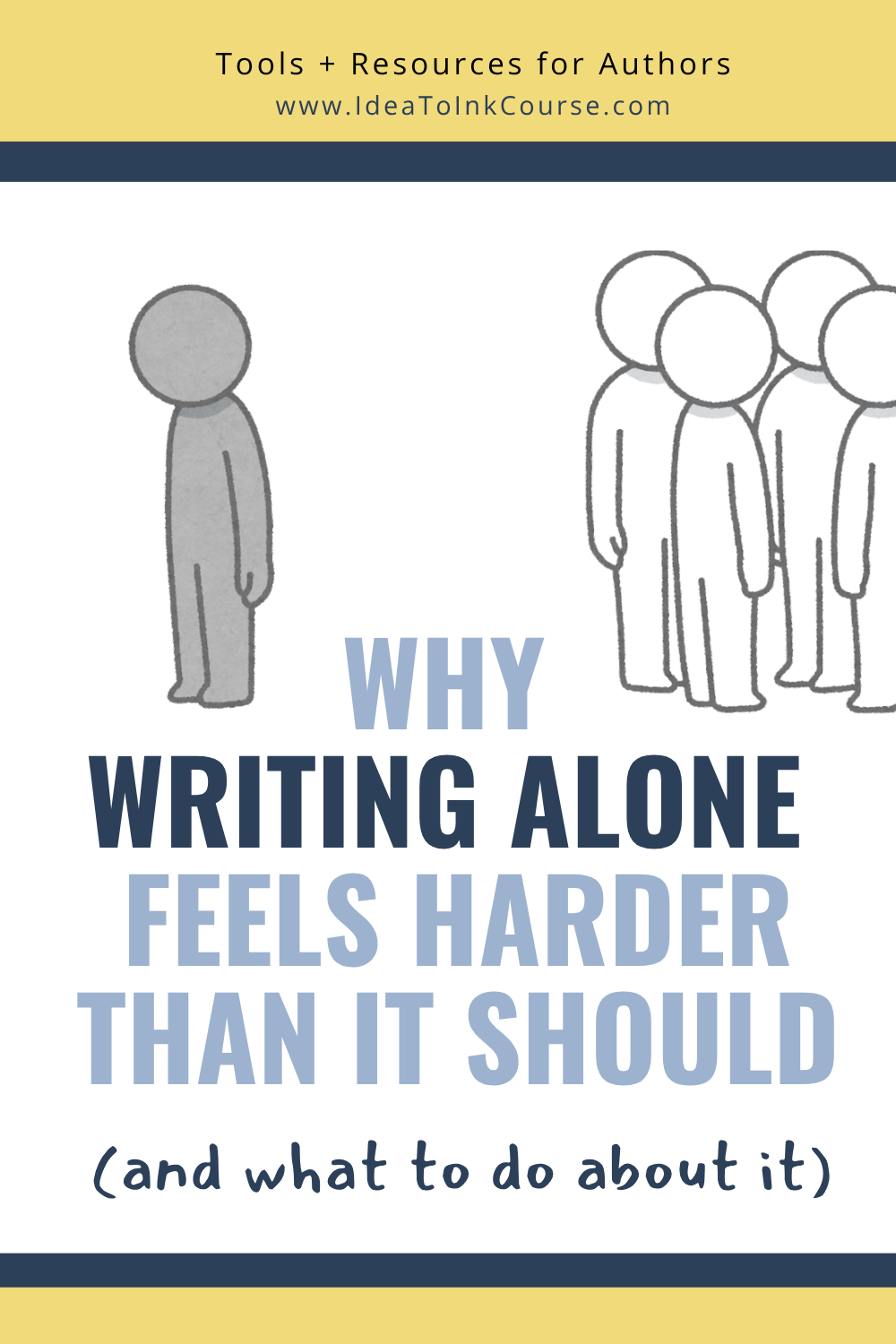
When you write alone, every obstacle feels personal. A slow chapter can make you think you are not cut out for this. A missed writing week can feel like failure. In a group, you start to see that struggle is normal. Other writers get stuck too. They change direction, cut scenes, rewrite openings, and doubt themselves. Seeing that can be deeply steadying.
A group also shortens the distance between intention and action. Instead of saying, "I should work on my book sometime this week," you have a defined touchpoint. Maybe that means bringing 500 words to a meeting, checking in every Friday, or revising one scene before your next discussion. Smaller goals are easier to finish, and finished goals create momentum.
That momentum matters more than most writers realize. Confidence usually does not show up first. Progress does. Then confidence starts catching up.
Not every group will help you equally
This is where some writers get discouraged. They join one group, feel awkward or overwhelmed, and decide support groups are not for them. Usually, the problem is not the idea of a group. It is the fit.
Some groups are highly critique-focused. Those can be useful if you already have pages to share and enough confidence to hear direct feedback without shutting down. Other groups (like the community with our Idea to Ink E-Course!) are more accountability-based. These are often better for writers who are still building a routine or trying to get a first draft moving.
There are also groups organized by genre, writing stage, or goal. A memoir writer may need a different kind of discussion than a fantasy novelist. A first-time author often benefits from more structure than an experienced writer who mainly wants feedback. It depends on what kind of support would actually help you move.
A strong fit usually includes clear expectations, respectful communication, and a balance between honesty and encouragement. You should leave feeling challenged, not crushed. You should also know what to do next. If a group leaves you confused after every meeting, it may not be giving you the kind of structure you need.
What to look for in a creative writing support group
Before joining a creative writing support group, ask a simple question: Will this help me write more consistently, or will it only make me think about writing?
That distinction matters. Some groups are energizing but not productive. They talk a lot about ideas, publishing dreams, and inspiration, but members are not actually creating pages. Conversation has value, but if your goal is to finish a draft, you need more than good intentions.
Look for a group with a clear rhythm. That could mean weekly check-ins, monthly page reviews, or a set structure for giving feedback. Predictability helps you prepare. It also reduces the mental energy spent guessing what is expected.
You also want a group culture that respects developing writers. Beginner authors do not need watered-down feedback, but they do need context. Comments should be specific enough to help. "This part lost me because I could not tell what your main character wanted" is helpful. "This just is not working" is not.
Finally, pay attention to whether the group supports action. Do members set goals? Do they revise? Do they return with updates? A good group helps you stay in motion.
How to get more from the group you join
Even the best group cannot do the work for you. Support works best when you arrive with a simple system of your own.
Start by deciding what you want from the group in this season of writing. If you are in the idea stage, maybe you need accountability to outline your book. If you are drafting, you may need deadlines and encouragement. If you are revising, you probably need reader response and pattern-spotting.
Then bring focused questions. Do not just ask, "What did you think?" Ask, "Did the opening make you want to keep reading?" or "Was the message of this section clear?" Targeted questions lead to feedback you can use.
It also helps to separate drafting from evaluating. If every meeting sends you into a spiral of self-editing, you may need to share less often or request a different kind of response. Early drafting usually needs momentum more than line-by-line critique.
And keep your own record of what you are learning. Notice repeated feedback. Notice which goals you keep avoiding. Notice where your energy rises. A group gives input, but your job is to turn that input into a writing process you can trust.
Where to find a creative writing group
You can find creative writing support groups in more places than you might expect. Many local libraries host free writing circles or critique nights, and they’re often beginner‑friendly. Community centers, bookstores, and colleges sometimes run open workshops as well.
If you prefer in‑person connection, Meetup and local Facebook groups are great for finding writers in your area. If you want something more flexible, there are countless online communities (Discord groups, writing forums, virtual coworking sessions, and structured programs like the one connected to Idea to Ink).
The goal isn’t to pick the “perfect” place. It’s to choose a space where you feel comfortable showing up and supported enough to keep going.
When a support group is not enough on its own
There are times when community helps, but more structure is still needed. If you constantly leave meetings encouraged but still do not know what to write next, the real issue may be planning. If feedback feels useful but your draft keeps sprawling, you may need a stronger framework for outlining, scene development, or revision.
This is common, especially for writers starting their first book. Support keeps you from feeling alone. Structure keeps you from feeling lost. The two work best together.
That is why many writers benefit from pairing community with guided tools such as prompts, templates, or a step-by-step writing plan. A support group can keep you accountable to the work, but a framework helps you decide what the work actually is. If you need both encouragement and clarity, that combination can make a huge difference.
For example, Idea to Ink helps writers build that kind of structure so support does not stay abstract. Instead of just wanting to write, you begin to see your next step, your next page, and your next milestone.
You do not need to be "ready" to join
A lot of aspiring authors delay getting support because they think they need more pages first, a better idea, or stronger writing skills. Usually, that delay just extends the stuck feeling.
You do not need a polished chapter to deserve support. You do not need to sound like an expert to begin. You only need enough willingness to show up honestly and keep going.
The right group will not write your book for you. But it can help you stop disappearing from your own writing life. It can give shape to your effort, language to your questions, and momentum when motivation fades.
If you have been trying to write in isolation, this may be the shift that helps everything start moving. Not because someone else will carry the dream for you, but because shared support often makes it easier to carry your own. Start where you are, let the process be imperfect, and give your words a place to grow.
Ready to write your book?
Download the Essential Book Writing Templates for FREE and start strong.
We think SPAM is icky. We will never sell your information, and you can unsubscribe at any time.