A Fiction Story Development Guide for First Drafts
The moment you decide to write a novel, your idea can suddenly feel bigger than you. You may have a character you love, a setting you can see clearly, or an ending that gives you chills. But turning that spark into a book requires a path. This fiction story development guide will help you create that path before the blank page starts asking for answers you have not decided yet.
Story development is not about trapping your creativity in a rigid outline. It is about giving your imagination something sturdy to build on. When you know who your story is about, what they want, what stands in their way, and why the outcome matters, writing becomes less mysterious. You can spend more energy making choices on the page instead of wondering what happens next.
Start with the story question
Every strong fiction project begins with a central question. This is not necessarily the question you will print on the back cover. It is the question that creates tension and gives the story a reason to move.
For example, a romance might ask, “Can a woman who protects her independence trust someone enough to build a life with him?” A mystery could ask, “Can a reluctant witness uncover the truth before she becomes the next target?” A family drama may ask, “What does a daughter owe the parent who hurt her?”
Your story question should connect an external problem to an internal struggle. The external problem is what happens in the plot. The internal struggle is what the main character must face, change, accept, or release. Together, they create a story that feels meaningful instead of merely eventful.
Write your question in one imperfect sentence. You are not trying to sound clever. You are creating a compass for the decisions ahead. If a scene, subplot, or new character does not strengthen that question, you can reconsider whether it belongs.
Build a protagonist who has something to lose
Readers do not need a flawless main character. They need someone with a desire strong enough to create movement. Your protagonist may want to win a case, save a business, find a missing sibling, escape a small town, or earn a place in a new world. The goal can be large or quiet. What matters is that it matters deeply to them.
Then look beneath the goal. What does your protagonist believe about themselves or the world that makes pursuing that goal difficult? Perhaps she believes she must handle everything alone. Perhaps he thinks failure proves he is unworthy of love. This belief is often where your character arc begins.
Give your protagonist a clear motivation, a meaningful fear, and a consequence for failure. If they fail, what changes? What do they lose? The stakes do not have to involve life or death. Losing a child’s trust, a long-held dream, a chance at belonging, or the courage to be honest can carry enormous emotional weight.
Let the antagonist create pressure
An antagonist is not always a villain in a black cape. It can be a rival, a parent, a system, a natural threat, a secret, or even your protagonist’s own destructive habit. The key is pressure.
The opposing force should make the protagonist’s goal harder to reach and force difficult choices. A convenient obstacle that disappears after one chapter will not sustain a novel. Strong opposition adapts. As your main character takes action, the problem should push back.
Try naming what the opposing force wants, too. When the antagonist has understandable goals or logic, even if readers disagree with their actions, the conflict becomes more believable. This is especially useful in relationship-driven fiction, where both people may feel justified.
Use conflict to shape your plot
A plot is not a list of things that happen. It is a chain of cause and effect. Your protagonist makes a choice, that choice creates consequences, and those consequences require another choice. This is what carries a reader from one chapter to the next.
Begin by identifying the moment that disrupts your protagonist’s normal life. This is often called the inciting incident. It is the event that makes staying the same impossible. A woman receives the letter she hoped would never arrive. A teacher witnesses something she cannot ignore. A struggling artist gets an offer that comes with a cost.
From there, plan the major turning points rather than trying to outline every chapter immediately. You need to know when your protagonist commits to the central problem, when the situation becomes more complicated, when a major revelation changes the plan, and when they face their most difficult decision.
The middle of a novel is where many writers lose momentum because they fill it with motion but not change. To avoid this, ask after each major scene: What is different now? A relationship should shift, new information should come to light, the stakes should rise, or the character should make a choice that closes off an easier path.

Develop scenes with purpose
Once you have the larger shape of your story, scenes become easier to plan. Each scene needs a character with a goal, an obstacle that prevents an easy win, and a change by the end.
Imagine a scene in which your protagonist goes to ask her estranged sister for help. Her goal is simple: get access to an old family document. The obstacle may be the sister’s anger, a buried secret, or the arrival of someone who complicates the conversation. By the end, she should not leave with everything exactly as it was. Perhaps she gets the document but learns a painful truth. Perhaps she fails to get it and makes a choice that damages the relationship further.
That change is what gives a scene momentum. It also helps you spot scenes that may be unnecessary. If nothing changes, you may be writing setup that can be shortened, combined with another scene, or removed.
Choose a planning method you can actually use
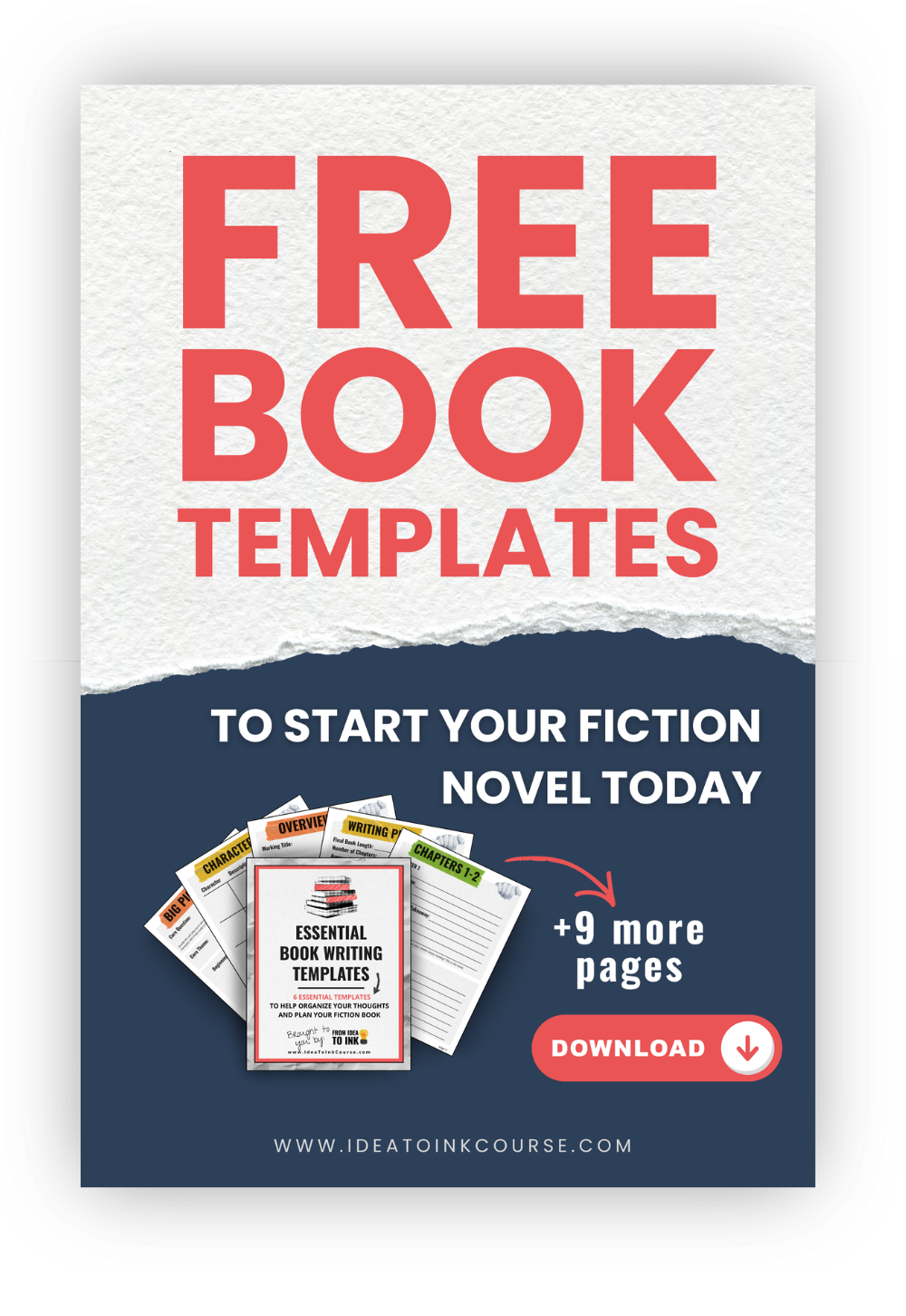
There is no prize for creating the most detailed outline. Some writers need a scene-by-scene map before they draft. Others work best with a one-page premise, character notes, and a handful of turning points. The right method is the one that helps you return to your book consistently. If you're not sure where to start, try these free novel writing templates.
If you tend to freeze when there are too many options, use more structure. Create a simple story map with your opening disruption, key turning points, climax, and ending. If detailed planning drains your excitement, leave room for discovery. Plan the major destination points, then allow yourself to find the smaller moments as you draft.
A useful middle ground is to plan one section at a time. Before beginning a new set of chapters, decide what your protagonist wants, what changes, and what new problem will carry them forward. This keeps you organized without demanding that you know every detail before chapter one.
Keep a story development notebook
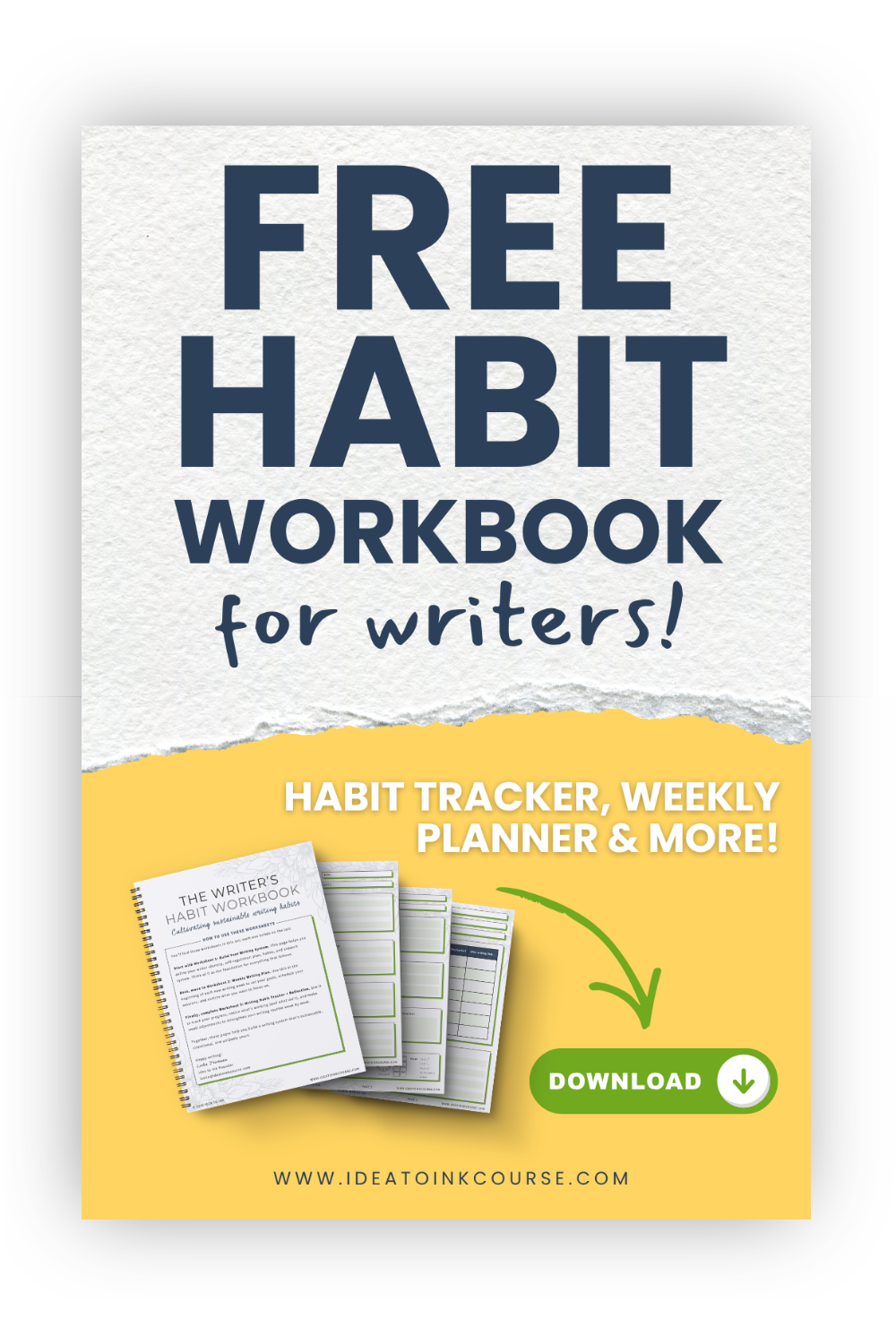
Your story needs a home outside your head. Use a notebook, document, or worksheet system to collect character details, timeline notes, setting research, scene ideas, and questions to answer later. The format matters less than consistency.
When you have a place to capture ideas, you do not have to interrupt drafting to solve every small issue. You can write a quick note such as “Check whether Maya knows about the letter here” and continue. That protects your writing momentum while giving your future self a clear task.
Give yourself permission to develop as you draft
Planning is valuable, but it is not a contract. Your first draft will teach you things no worksheet can reveal: which characters have unexpected chemistry, where the emotional center truly lives, and what your protagonist is most afraid to admit.
When a new idea appears, do not throw out your whole plan immediately. Ask whether it strengthens the central question, raises the stakes, or gives the character a more honest path. If it does, revise your plan with intention. If it only distracts from the story you want to tell, save it for another project.
The goal is not to develop a perfect story before you begin. The goal is to create enough clarity that you can begin with confidence, then keep moving when motivation fades. Your book becomes real one planned scene, one imperfect page, and one brave return to the work at a time.

Ready to write your book?
Download the Essential Book Writing Templates for FREE and start strong.
We hate SPAM. We will never sell your information, for any reason.