Turn Your Experience Into a Book...Here's How!
Every one of us carries a story worth telling. Whether you’ve overcome a challenge, built a career full of hard‑earned lessons, or lived through something others could learn from, your experience has value. Turning that experience into a book isn’t just possible (it’s actually one of the most powerful ways to share your insight, help others, and leave a lasting impact).
One of the biggest things holding people back is the belief that their story isn’t “important enough.” They think that unless they’ve scaled Mount Everest or homeschooled six kids while running a Fortune 500 company, their life doesn’t measure up. But here’s the truth: plenty of people may have lived something similar, but no one can tell your story the way you can. No one has your voice, your lens, or your exact combination of experiences.
So, stop comparing and start sharing.
You don’t need to be a professional writer. You just need a message, a structure, and a process. Here’s how to turn your lived experience into a compelling book.
Identify the Core Message of Your Experience
Before you write a single chapter, get clear on the heart of your story. Ask yourself:
- What transformation did I go through?
Every hero goes through a transformation. Beauty (from Beauty and the Beast) is transformed by the power of true love. Harry Potter goes from unwanted orphan to confident wizard. You may not be jumping from orphan to wizard (or who knows, maybe you are), but your transformation matters because you are the hero of your story. - What do I want readers to walk away with?
I call this the book’s “general vibe.” Do you want to inspire? Educate? Motivate? Entertain? Your vibe sets the tone for everything from the cover art to the voice inside. - Who needs this story the most?
Is it you? Someone you mentor? A whole group of people (for example, women in their 40s)? Maybe you’re writing as a form of catharsis and the audience is…you. All of these are valid.
This clarity helps you decide what kind of book you’re writing:
- Memoir: Your story, told through personal narrative.
- How‑to or teaching book: Your lessons, distilled into guidance.
- Hybrid: A blend of storytelling and practical advice.
Your message is the anchor. Everything else builds from it.
Define Your Ideal Reader
Remember when I asked who needs to hear this story? That wasn’t a throwaway question. A book becomes powerful when it speaks directly to someone’s needs.
Think about:
- Who will benefit from your experience?
- What problems or questions do they have?
- What tone or style will resonate with them?
When you know your reader, your writing becomes more focused, more relevant, and more impactful.
I like to actually pretend I am that person (generally) and walk through a day in their life. Maybe it’s a mom packing for a family beach trip. How is she feeling? What kind of book is she going to toss in her bag? What energy does she want to take with her?
Putting yourself in the reader’s shoes not only helps you write the book, it makes marketing a million times easier later on.
Choose the Right Structure
Your structure is the roadmap that turns raw experience into a readable, engaging book. All books follow some kind of structure, even if the reader can’t identify it. Structure makes the book easier to read, but more importantly, it makes it so much easier to write (I promise).
Here are some common options:
- Chronological: Ideal for memoirs or life journeys.
- Problem–solution: Perfect for self‑help or instructional books.
- Thematic: Organizes your insights into topics or lessons.
- Case‑study driven: Great for professional or industry‑specific books.
Pick the structure that best supports your message and makes your story easy to follow.
Turn Your Experience Into a Clear Outline
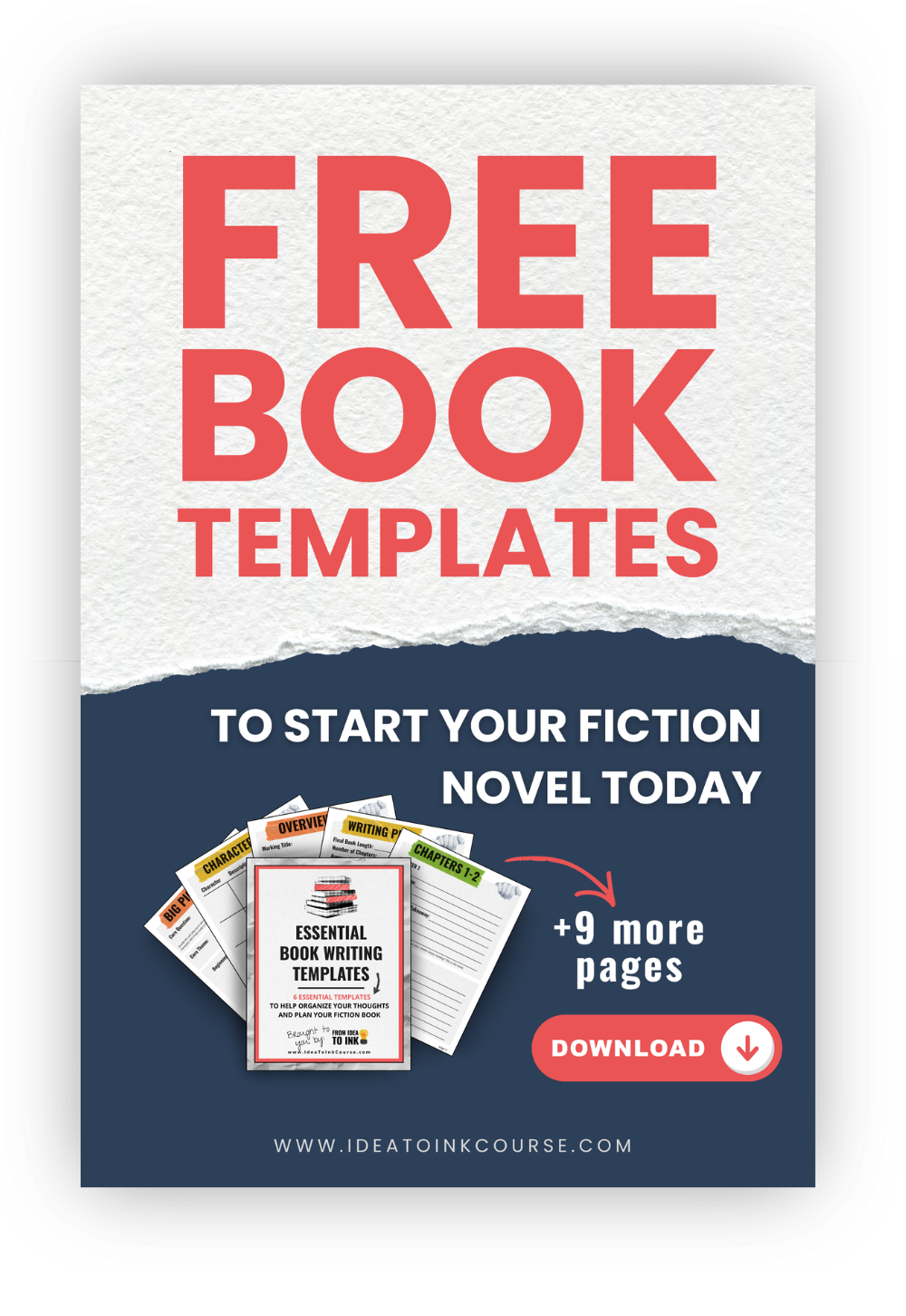
Start with a brain dump (everything you remember, learned, or want to share). Then group those ideas into chapters or themes. Think of it like a fiction book. There are characters, settings, conflicts, turning points. I have free outlines for fiction books available here, but even though they’re designed for novels, they work beautifully for nonfiction too.
A simple outline might include:
- Chapter titles
- Key stories or examples
- Lessons or takeaways
- Questions you’ll answer for the reader
Outlining saves time, reduces overwhelm, and keeps your writing on track. I try to outline as much as possible. In our Idea to Ink E‑course (where we write a fiction novel in 21 days), we actually spend the entire first week just working on the outline. That’s how important it is.
A solid outline shows you where the gaps are at a glance. It’s much easier to fix a missing chapter in an outline than to delete 8,000 words you wrote at 2 a.m. while eating stale pretzels.
Start Writing: Let the First Draft Be Messy
The biggest mistake new authors make is trying to write perfectly from the start. Don’t do that to yourself. First drafts are supposed to be rough.
Focus on:
- Getting the story out
- Capturing emotion
- Writing honestly
- Using scenes, dialogue, and sensory detail
- Balancing story with insight (what happened + what you learned)
Set small goals (a daily word count, a weekly chapter, or even voice memos you later transcribe). Consistency matters more than perfection.
Once again, the novel‑writing outlines I offer for free can help. I talk about how to figure out chapter length, pacing, and structure. That makes setting writing goals so much easier.
Edit and Refine Your Manuscript
Once your draft is complete, it’s time to shape it into a polished book. Editing happens in stages:
- Developmental editing (big picture structure and clarity).
This is where you fix the “Wait… why did I change Uncle Jimmy’s name to Uncle Cletus halfway through?” moments. Think plot holes, inconsistencies, and anything that makes you say “What was I talking about?” - Line editing (flow, tone, and readability).
This is the zoom‑in stage. Instead of looking at the whole story, you’re looking at the sentences that make up the story. Do they flow? Are they in the right voice? Can they be clearer? - Copyediting (grammar, punctuation, and style).
I personally hate this part and hire a professional editor. I’m a big‑picture person and getting into the weeds with commas is not my jam. Know your strengths. You don’t have to (and honestly shouldn’t) do every stage of editing alone. - Proofreading (final polish before publishing).
At this point, you’ve read your manuscript so many times you could recite it in your sleep and you’re ready to set it on fire. That’s normal.
You can hire a professional editor, use editing software, or do a combination of both. The goal is to make your message shine.
Like I said earlier, I believe every author should go through every stage of editing themselves. Is it awful? Yes. Will it save you money? Also, yes. But I still recommend having at least one other person look at your work. I don’t care if it’s your English‑teacher aunt or someone you hire on Reedsy. As the writer, you’re usually too close to your own work to catch everything.
Decide How You Want to Publish
You have more publishing options today than ever before, and the route you take depends on how much autonomy you want. I personally self‑publish (but I never self‑edit) because I like having creative and marketing control.
Here are the three major publishing paths:
Traditional Publishing
Pros: Credibility, professional support, no upfront cost
Cons: Competitive, slower timeline, less creative control
Self‑Publishing
Pros: Full control, faster release, higher royalties
Cons: You handle (or hire out) editing, design, and marketing
Hybrid Publishing
A middle ground where you pay for services but retain more control.
There isn't a right or wrong way to publish your book. Choose the path that aligns with your goals, timeline, and resources.
Share Your Book With the World
Publishing is only the beginning. Think about how your book can support your broader goals:
- Speaking engagements
- Workshops or trainings
- Online courses
- Coaching or consulting
- Community building
Marketing is often the scariest part for authors. Many people think that once they publish a book (even traditionally), readers will magically appear from their troll holes in the ground and start clamoring for it. That’s not how it works (and yes, the troll hole part is also inaccurate).
Being an author today means being a marketer too. But marketing doesn’t have to be overwhelming.
Start with:
- A simple author website
- An email list
- Social media posts
- A launch team of supportive readers
- Early reviews to build credibility
I’m working on a marketing guide for authors. If you’re interested, be sure to fill out the form.
Conclusion
Your experience matters. Someone out there needs the story you’ve lived, the lessons you’ve learned, and the wisdom you’ve earned. Turning your experience into a book isn’t just about writing (it’s about transforming your journey into something that can guide, inspire, or empower others).
Start small. Outline your core message today. Your book begins with one decision: to share what you know.
Ready to write your book?
Download the Essential Book Writing Templates for FREE and start strong.
We think SPAM is icky. We will never sell your information, and you can unsubscribe at any time.