How a Self-Paced Writing Course Builds Momentum
Your book idea does not need more time on your calendar before it deserves attention. It needs a clear place to begin. A self-paced writing course can turn the thought of “I want to write a book someday” into a practical series of decisions, writing sessions, and pages you can actually see.
For many aspiring authors, the problem is not a lack of imagination. It is the gap between a meaningful idea and a workable process. You may have scenes playing in your mind, a story you feel called to tell, or expertise you want to share. But when you sit down to write, the questions arrive quickly: Where do I start? What should I work on first? How do I know if my idea is big enough for a book?
A well-designed course does not write the book for you. It gives you a path forward so you can spend less energy guessing and more energy creating.
What a Self-Paced Writing Course Should Give You
Self-paced does not have to mean unsupported or unstructured. It simply means that you can go through the course at your own pace. The best courses balance flexibility with enough direction to prevent you from circling the same idea for months.
At its core, a useful writing course should help you move through the early stages of authorship in an intentional order. First, you clarify what you want to write and why it matters. Then, you shape that idea into a foundation you can build on. From there, you create a realistic writing practice and begin drafting.
That process may look different for a novelist and a nonfiction writer. A novelist may need help developing a protagonist, defining the central conflict, and mapping the major turns of the story. A nonfiction writer may need to identify the reader, refine the book’s promise, and organize key ideas into chapters. Both writers need structure before they need more pressure.
Look for lessons that include practical tools such as planning worksheets, focused prompts, examples, and small assignments (hint: all of our courses have these elements!) A video full of encouragement can feel good in the moment, but it will not necessarily tell you what to do when you open a blank document tomorrow morning. A course should translate encouragement into action.
Why Flexible Learning Works for Busy Writers
Most aspiring authors are fitting writing around real life. You may be working full time, caring for family, managing a business, or simply trying to protect a small piece of time for yourself. A live class with a fixed schedule can be helpful, but it is not always realistic.
A self-paced format lets you learn when your mind is available. You can watch a lesson after dinner, complete a worksheet during your lunch break, or return to a planning exercise on Saturday morning. You can pause when life gets demanding, then pick up where you left off without feeling that you have fallen behind an entire group.
That flexibility is especially valuable in the beginning, when you are learning how you work best. Some writers make fast progress with short daily sessions. Others prefer longer blocks once or twice a week. There is no single schedule that makes someone a “real writer.” The right schedule is the one you can return to consistently.
Flexibility does come with a trade-off: no one is waiting for you in a classroom on Tuesday night. You will need to create your own rhythm. That is why the course structure matters so much. Clear daily or weekly goals can provide a gentle form of accountability without asking you to organize an entire writing curriculum for yourself.
Choose Progress Over Perfect Preparation
It is easy to confuse preparation with progress. Reading craft books, saving writing advice, and watching author interviews can all be useful. But they can also become a comfortable delay when you are nervous about beginning.
A course should help you prepare just enough to write with purpose. You do not need every chapter planned before drafting your opening scene. You do not need a perfect title before you outline your nonfiction book. You need a starting point, a next step, and permission to learn as you go.
Try setting a small, visible goal for each lesson. Instead of telling yourself, “I need to work on my book,” choose an outcome you can complete: write a one-sentence book premise, list five possible reader questions, sketch your main character’s desire, or draft a rough chapter map. Specific tasks reduce blank-page paralysis because they give your brain one job at a time.
The goal is not to produce polished pages immediately. Early writing is allowed to be exploratory. A rough outline can change. A character can surprise you. A chapter that seemed essential may later disappear. These are not signs that you are doing it wrong. They are signs that you are actively building a book.
How to Get Results From Your Course
The course itself is only one part of the process. Your results grow from how you use it. Start by choosing a pace that is slightly challenging but still sustainable. If the course is designed around 21 days, you may complete it in 21 days, or you may spread it across five weeks. The timeline matters less than continuing to move.
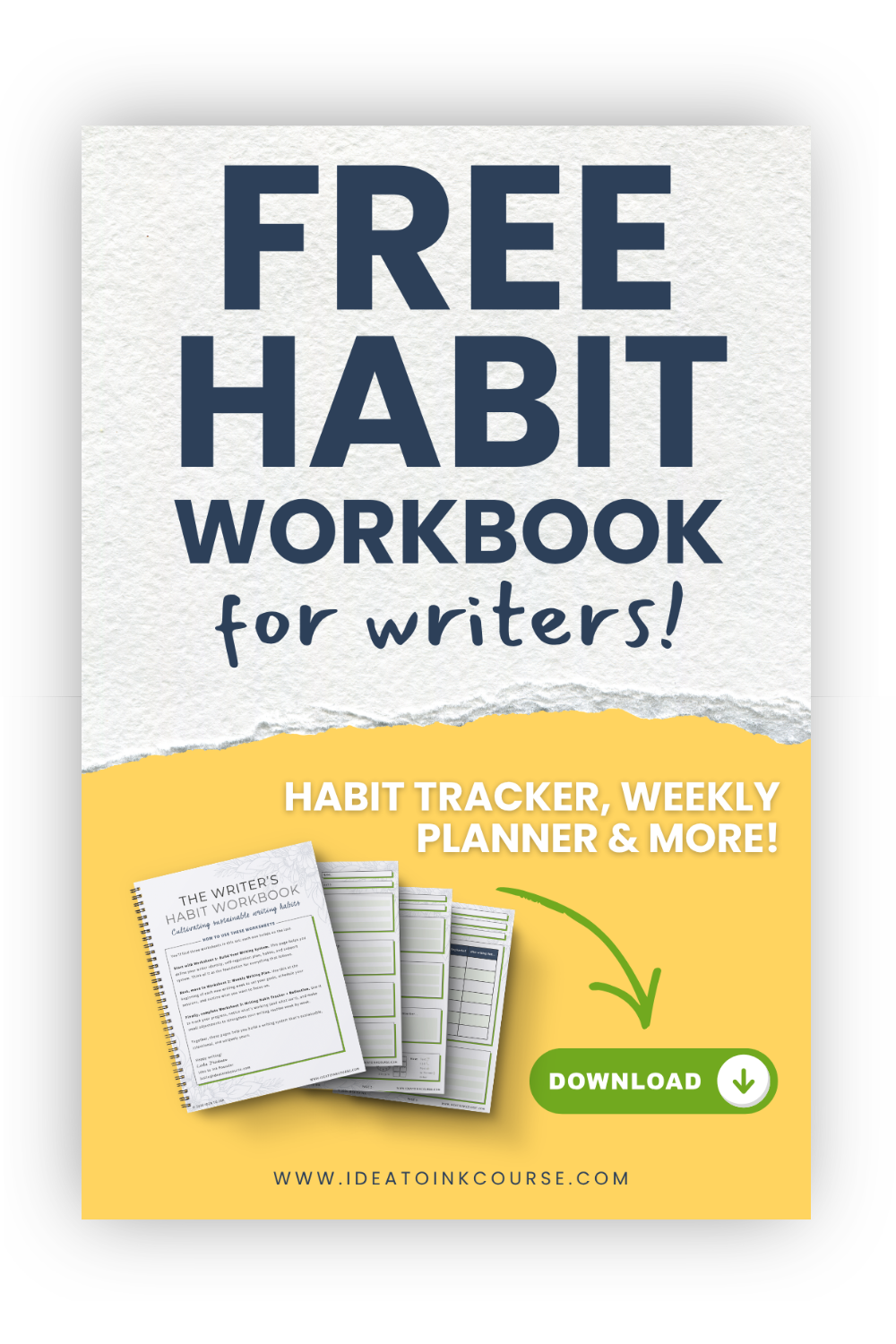
Create a simple appointment with your writing. It can be 20 minutes before the house wakes up or one protected hour on Sunday afternoon. Put it on your calendar, and decide in advance what you will work on. Removing that decision from the moment makes it easier to begin. (Looking for a habit tracker for writers? You can download ours for free here).
Keep your course materials and writing project together. If you complete a lesson on character development, move directly into your manuscript or planning document while the ideas are fresh. If you are working through a lesson on reader needs, add your answers to your book outline. Learning becomes far more powerful when each exercise produces something you can use.
It also helps to track evidence of progress. A completed worksheet, a chapter list, 500 new words, or a clearer book concept all count. Writers often dismiss these smaller wins because they are focused on the finished book. Yet a draft is built from exactly these moments of forward motion.
When Self-Paced Learning Is the Right Fit
A self-paced course is a strong option if you want guidance but need control over your schedule. It works well for writers who are ready to take action, prefer working independently, and benefit from a step-by-step framework.
It may not be enough on its own if you need intensive feedback on your pages, have trouble following through without external accountability, or feel stuck on a complex project decision. In those situations, coaching, a critique group, or a writing partner can be a valuable addition. Independent learning and personal support are not competing choices. Often, the course gives you the foundation, while feedback helps you strengthen the work you create.
If you are at the beginning, avoid choosing a program based only on how much material it includes. More lessons do not automatically create more progress. Choose a course that speaks clearly to your stage of writing and gives you assignments you can complete. A focused plan is more useful than an overwhelming library of information.
At Idea to Ink, the emphasis is on helping writers build that foundation through manageable lessons, prompts, and planning tools that make the next step visible. You do not need to arrive with a finished outline or a polished first chapter. You only need a book idea you are willing to take seriously.
Your voice does not become more valid once you have written thousands of words. It becomes stronger each time you make space for it, follow a clear prompt, and return to the page. Start with one lesson, one decision, and one honest paragraph. Your book can grow from there.
Ready to write your book?
Download the Essential Book Writing Templates for FREE and start strong.
We think SPAM is icky. We will never sell your information, and you can unsubscribe at any time.