A Manuscript Feedback Checklist That Works
You finally share your draft, wait for a response, and receive: “I liked it!” It is kind, but it does not tell you what to revise. A thoughtful manuscript feedback checklist helps you ask for the kind of input that moves your book forward without turning every reader’s opinion into a new reason to doubt yourself.
Feedback is not a verdict on whether you are a real writer. I'm going to say that again for the kids in the back: FEEDBACK IS NOT A VERDICT ON WHETHER YOU ARE A REAL WRITER. It is information about how a real reader experienced the pages you wrote. When you prepare for feedback with clear questions and a simple process, you can collect useful insight, protect your creative vision, and revise with confidence.
Feedback Is for the Draft, Not for Your Worth
Asking someone to read your manuscript can feel vulnerable, especially if this is the first time your book has left your computer. You may want reassurance that every page works. Most early drafts, however, need something more valuable: honest reactions that show you where a reader felt engaged, confused, moved, bored, or ready for more.
The goal is not to make every reader agree. Even published books have readers who connect with different characters, topics, and styles. Your goal is to learn whether your intended reader can follow the book, care about it, and receive the experience you meant to create.
That distinction matters. “I did not connect with this genre” is different from “I could not understand what was happening in chapter three.” The first may be a preference. The second may point to a revision opportunity.
Your Manuscript Feedback Checklist Before You Share
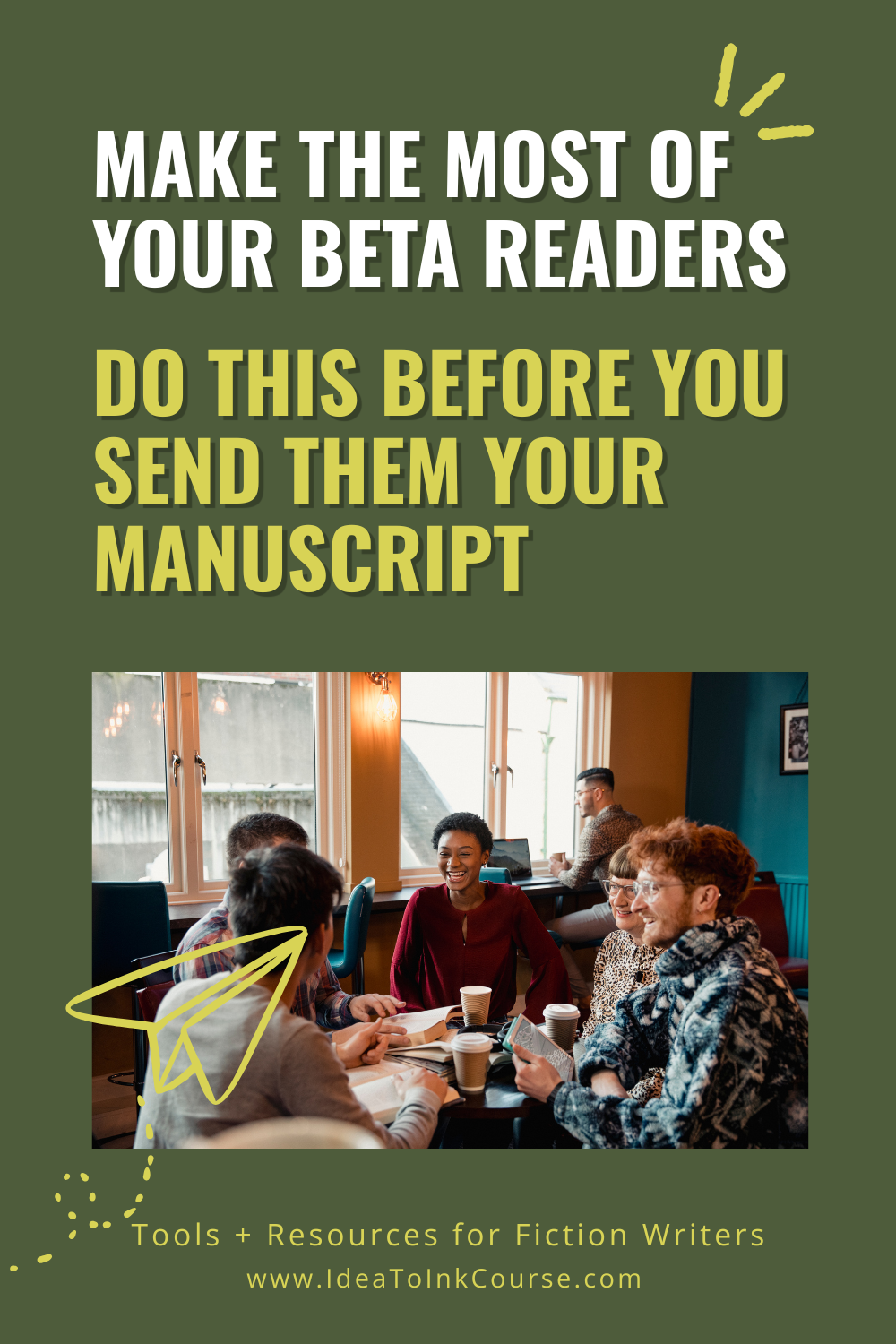
Strong feedback begins before anyone reads a word. Do not send your draft with a vague request to “let me know what you think.” Your reader may focus on commas when you need help with the story’s pacing, or praise the premise while avoiding the hard part: they got lost halfway through.
Start by deciding what stage your manuscript is in. If you have a rough first draft, ask about big-picture elements such as structure, clarity, character motivation, and reader interest. If you have already revised the full manuscript, you can ask more focused questions about scene flow, consistency, or confusing sections. Save proofreading for later. There is little value in polishing a paragraph you may cut next week.
Before you send the draft, work through this checklist:
- Choose one to three feedback goals for this round, such as pacing, plot clarity, chapter organization, or the strength of your central message.
- Select readers who reflect your intended audience, not only people who will protect your feelings.
- Tell readers what kind of book this is and who it is for, so they can respond in the right context.
- Give them a realistic deadline and permission to be honest, specific, and respectful.
- Ask them to flag their reactions as they read, not only offer a general opinion at the end.
- Decide what you are not asking for yet, such as line edits, formatting advice, or publishing recommendations.
You do not need a large group. Three to five thoughtful readers can reveal meaningful patterns. One reliable reader with a clear brief is more helpful than ten people who never finish the manuscript.
Choose Readers for the Job
Friends and family can be wonderful encouragers, but they are not automatically the best feedback readers. A person who loves you may soften every concern. Another person may bring strong opinions about writing but not read the kind of book you are creating.
For fiction, look for people who enjoy your genre and can explain their reading experience. For nonfiction, choose readers who resemble the people you hope to help. If you are writing a practical guide for overwhelmed beginners, feedback from an experienced professional may be useful, but it should not replace feedback from a beginner who needs the guidance.
You can also mix perspectives. Ask one reader to focus on the overall experience, another to watch for confusing sections, and another to respond as your ideal audience. Clear roles make feedback less repetitive and less overwhelming.

Questions That Lead to Useful Manuscript Feedback
The best questions are specific enough to guide your reader but open enough to reveal what you did not expect. Instead of asking, “Did you like the main character?” ask, “What did you understand the main character wanted by the end of chapter one?” The answer tells you more than a simple yes or no ever could.
You can include these questions in an email or a short feedback form:
- Where did your interest feel strongest, and where did it begin to fade?
- What felt confusing, rushed, repetitive, or underexplained?
- Which character, idea, or section stayed with you after reading?
- Did the opening make you want to keep going? Why or why not?
- Did the middle move forward, or did it feel stalled at any point?
- What did you think the book was promising you as a reader?
- By the end, did the story or message deliver on that promise?
- What questions did you still have when you finished?
For fiction, add questions about character choices, stakes, tension, and the emotional payoff. For nonfiction, ask whether the sequence makes sense, the examples feel relatable, and the reader knows what action to take next. The right questions should match the work your book is meant to do.
A word of caution: do not ask too many questions. The person is already reading an entire book for you, and they may not be entirely prepared to complete a full SAT length exam on the content. What pieces of information will help you the most? Focus on those questions. Keep it to five or less. The human brain can't generally handle more htan five pieces of information at one time.
If you want to add a specific question for a specific chapter, that is okay, but make sure the reader knows it beforehand. Don't ask the question after they finish the chapter- ask it before. It may be helpful to write the question into your manuscript and highlight it bright yellow and make sure your beta/test readers know that they can answer it directly on the page. Alternatively, you could give them a google form (like a survey), or simply give them a separate document with the questions.
I find it particularly helpful to put everyone's answers into a spreadsheet (nerd alert) so I can compare each question. This is very easy to do if you use a google form for your questions.
Ask for Examples, Not Just Opinions
A comment like “the beginning was slow” may be true, but it is hard to revise from that statement alone. Invite your reader to point to the chapter or moment where they felt their attention slip. Ask what they expected to happen next. Their answer can help you identify whether the issue is too much backstory, a delayed conflict, unclear stakes, or something else entirely.
Specific feedback does not guarantee an obvious solution. A reader may accurately identify that a scene feels flat but suggest a fix that does not suit your book. Their reaction is the data. Your job as the author is to diagnose the cause and choose the revision.
How to Sort Feedback Without Losing Your Voice
When notes come back, resist the urge to revise immediately. Read all feedback once without opening your manuscript. If a comment stings, pause. That reaction is normal, but it is not the best place from which to make a decision.
Then sort the notes into three categories: patterns, possibilities, and preferences. Patterns are comments that appear across multiple readers. If three people were confused about the timeline, pay attention. Possibilities are observations that may reveal a real issue, even if only one person mentioned them. Preferences are personal tastes, such as wanting a different ending, a different genre convention, or a different kind of narrator. I gave about ten beta readers a book once and asked them what characters they liked the most and the least and why. They unanimously liked the same character, but each picked a different character for whom they disliked the most. This is preference. I needed to make sure everyone knew (and rooted for!) the hero, but they each picked their own 'villain' based on their own person experiences.
You are not required to accept every suggestion. If one reader asks you to remove a quiet, reflective chapter and every other reader says that chapter deepened the book, keep looking at the larger picture. Revision is not people-pleasing. It is purposeful problem-solving.
A helpful question is: “What is this reader trying to experience that they are not getting yet?” Perhaps they want more tension, but your book is intentionally gentle. You may not need more conflict. You may need a clearer sense of forward movement.
Turn Notes Into a Revision Plan
Once you see the patterns, create a short revision plan before changing pages. Start with the biggest issues first. If your book’s structure is unclear, do not spend a week polishing dialogue. If readers do not understand the main promise of your nonfiction book, strengthen that foundation before refining individual examples.
Write each major revision as an action you can complete. “Fix the middle” is too broad. “Add a turning-point decision at the midpoint and cut two scenes that repeat the same conflict” gives you a direction. “Make the introduction clearer” becomes “State who this book is for, what challenge it addresses, and what readers will be able to do by the end.”
Give yourself room to test solutions. You may need to move a chapter, combine two scenes, rewrite an opening, or add a transition before you know what works. This is not wasted effort. It is how a draft becomes a book with shape and purpose.
If you need more structure, Idea to Ink’s planning tools and coaching approach can help you turn broad feedback into manageable next steps. The key is to work one revision priority at a time instead of trying to repair everything in a single frantic pass.
Feedback Mistakes to Avoid
Do not send a draft before you can name what you need help with. You do not need to wait for perfection, but a little preparation makes the process kinder to you and more useful to your readers.
Do not argue with feedback in the moment. Thank your reader, ask a clarifying question if needed, and give yourself time. Defending every choice can prevent you from hearing a valuable concern. At the same time, do not apologize for your book or promise to change everything. You are allowed to consider notes thoughtfully.
Finally, do not let feedback become a reason to stop. Every manuscript has gaps, rough transitions, and pages that need another look. Those are not signs that you failed. They are signs that you have material to shape.
Your next step can be simple: choose one trusted reader, send a clear set of questions, and schedule time to review their notes. You do not need to solve your whole manuscript today. You only need to give your draft the next honest, supportive step it needs.
Ready to write your book?
Download the Essential Book Writing Templates for FREE and start strong.
We think SPAM is icky. We will never sell your information, and you can unsubscribe at any time.