Book Writing Worksheets That Actually Help
A lot of writers do not stop because they lack ideas. They stop because their ideas are scattered across notebooks, phone notes, sticky pads, and half-finished documents that never turn into a plan. That is where book writing worksheets can make a real difference. A good worksheet does not make your book for you. It gives your thinking a place to land so you can move from vague intention to visible progress.
If you have been telling yourself you want to write a book but keep getting stuck at the starting line, you are not lazy and you are not untalented. You probably need more structure than inspiration. Worksheets help by breaking a big creative project into smaller decisions you can actually make.
Why book writing worksheets work
Writing a book asks you to hold a lot in your head at once. You are shaping ideas, making choices, solving story problems, and trying to stay motivated over time. That is mentally demanding, especially for beginners. A worksheet reduces that load. Instead of asking, “How do I write a whole book?” it asks, “What is this chapter supposed to do?” or “What does my reader need to understand by the end of this section?”
That shift matters. It turns a huge, emotional goal into a series of practical steps.
Worksheets also create momentum because they give you something to complete before the draft feels ready. For many aspiring authors, a blank page is not the only problem. The deeper problem is uncertainty. When you are unclear about your idea, your structure, or your audience, drafting feels harder than it needs to. Filling out a worksheet can surface those weak spots early, while they are still easy to fix.
There is a trade-off, though. Worksheets support writing, but they are not writing. You can spend so much time planning that you avoid the draft itself. The goal is not to build a beautiful system and stay in preparation mode forever. The goal is to use the worksheet, make your decision, and keep moving.
The most useful book writing worksheets for beginners
Not every worksheet deserves your time. The best ones help you make decisions that directly affect your draft.
Book idea and concept worksheets
These are often the most valuable at the beginning because they help you define what your book is really about. For fiction, that might mean clarifying the premise, central conflict, stakes, and character arc. For nonfiction, it usually means identifying the core message, target reader, transformation, and key promise of the book.
If your concept worksheet leaves you with a sharper answer to “What is this book trying to do?” it is doing its job. If it only gives you pages of brainstorming with no decision at the end, it may feel productive without actually helping.
Chapter planning worksheets
Chapter worksheets are where many books start to feel manageable. Instead of staring at an entire manuscript, you focus on one chapter at a time. What is the purpose of this chapter? What changes by the end? What information, scenes, or examples belong here? What does the reader need next?
This kind of worksheet is especially helpful if you tend to overwrite, ramble, or lose the thread midway through a draft. It gives each chapter a clear role in the book.
Character and worldbuilding worksheets
For fiction writers, these can be useful, but only if they stay relevant to the actual story. You do not need a ten-page questionnaire about your character’s favorite breakfast cereal unless it affects the novel. What you do need is clarity on motivation, conflict, backstory pressure, relationships, and how the character changes.
The same applies to worldbuilding. Build what supports the story. Stop before the worksheet becomes a detour.
Reader and message worksheets
These matter most for nonfiction, memoir, and purpose-driven books. A strong reader worksheet helps you picture who the book is for, what they are struggling with, what they want, and why your book will matter to them.
This is one of the fastest ways to strengthen a book idea. Many first-time authors write from personal passion alone, which is a strong start, but not enough by itself. A reader-centered worksheet keeps your book anchored in service, clarity, and relevance.

Writing routine and accountability worksheets
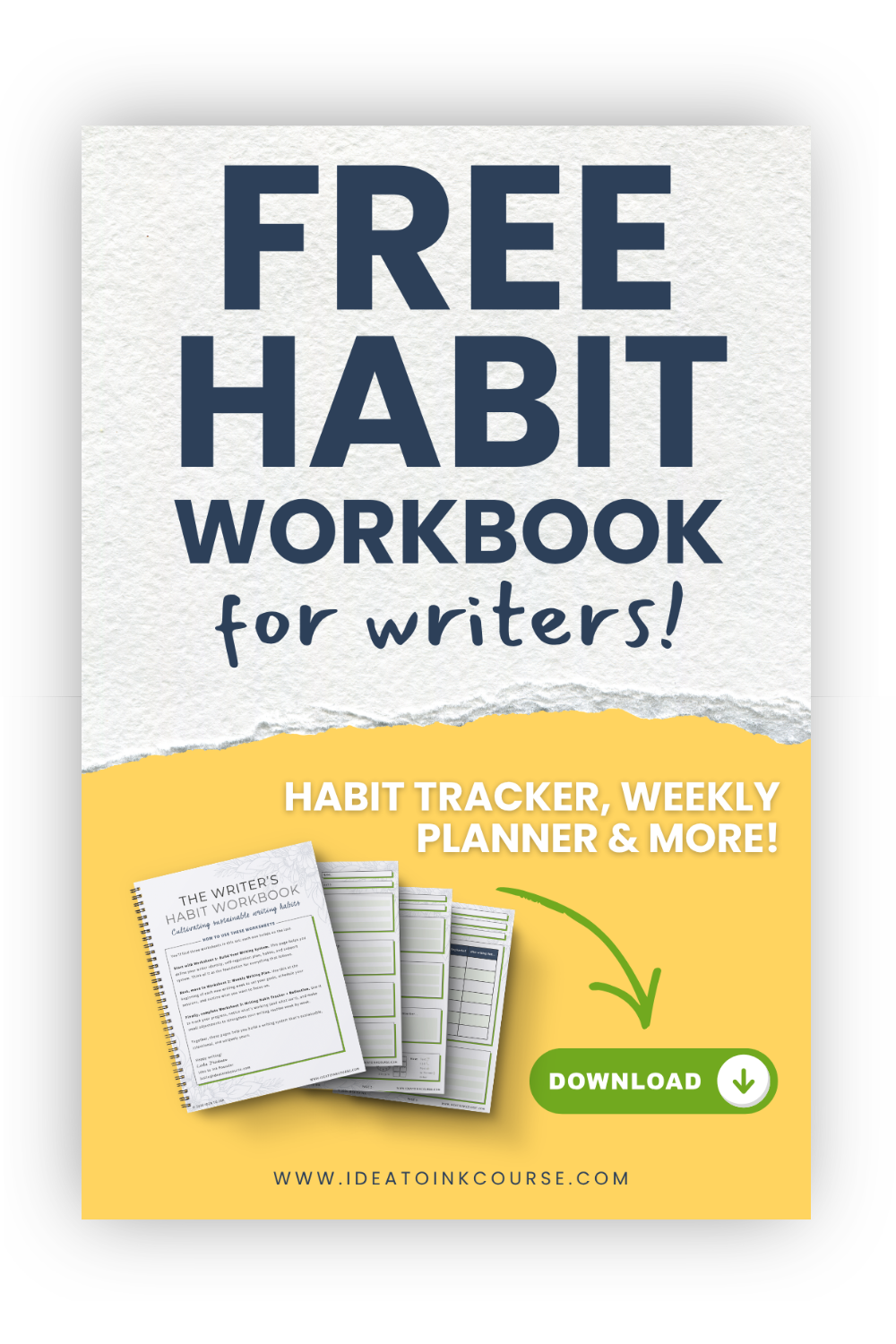
These are less glamorous, but often more important than people expect. You can have a brilliant outline and still fail to finish if your writing life has no structure. A routine worksheet helps you decide when you will write, how much you will aim for, what gets in the way, and how you will recover after missed sessions.
That last part is worth paying attention to. Most writers do not quit after one skipped day. They quit after turning one skipped day into a story about failure. A worksheet that helps you restart is more useful than one that assumes perfect consistency.
How to use book writing worksheets without getting stuck in planning
The best approach is simple. Use a worksheet to answer a specific question, then let the answer guide your next writing session.
For example, if you complete a chapter worksheet, your next step should be drafting that chapter. If you fill out a reader worksheet, your next step might be revising your table of contents so it better matches that reader’s needs. The worksheet should create action, not just reflection.
It also helps to give yourself limits. Spend twenty to thirty minutes on a worksheet, not three hours. Keep your answers practical. If you do not know an answer yet, make your best decision and move on. You can revise later. Books get clearer through writing, not only before it.
Another smart habit is to return to the same worksheet at different stages. A messy first answer is still useful. In fact, comparing your early answers to your later ones can show you how much your book has matured. Early planning is not supposed to be perfect. It is supposed to get you started.
What to look for in a good worksheet
A good worksheet feels focused, not overwhelming. It asks questions that lead somewhere. It helps you make choices. And it leaves you more certain than you were before.
That means the design matters. If a worksheet is cluttered, vague, or too broad, it can increase stress instead of reducing it. Beginners especially do well with worksheets that are clearly organized and built in a logical order. First define the idea. Then shape the structure. Then plan the chapters. Then support the writing habit.
This is where educational design makes a difference. The strongest tools are not just creative prompts thrown on a page. They are arranged to help your brain process a large project step by step. That is one reason many writers respond well to resources from Idea to Ink. The support is warm, but the system is clear.
When worksheets help most, and when they do not
Worksheets are most helpful at the beginning of a project, during moments of confusion, and anytime you lose momentum. They are excellent for turning abstract ideas into decisions and helping you restart after a stall.
They are less helpful when you already know what comes next and are simply resisting the work. In that case, another worksheet may feel safer than drafting, but it will not solve the real problem. Sometimes the next right move is not more planning. It is writing a rough, imperfect page.
It also depends on your personality. Some writers need more structure to feel calm and productive. Others need just enough planning to begin. There is no gold star for using the most worksheets. Use the amount that supports your progress.
A simple way to start today
Choose one problem, not ten. If your idea feels fuzzy, use a concept worksheet. If your middle chapters feel chaotic, use a chapter planner. If you keep saying you will write “when life settles down,” use a routine worksheet and make a realistic plan for this week.
That is how books get written. Not through one dramatic burst of certainty, but through a series of small, supported decisions.
You do not need to have your whole book figured out before you begin. You need a place to think clearly, a process you can trust, and enough structure to keep going when doubt shows up. A worksheet cannot replace your voice, but it can help you hear it more clearly and put it on the page.
Ready to write your book?
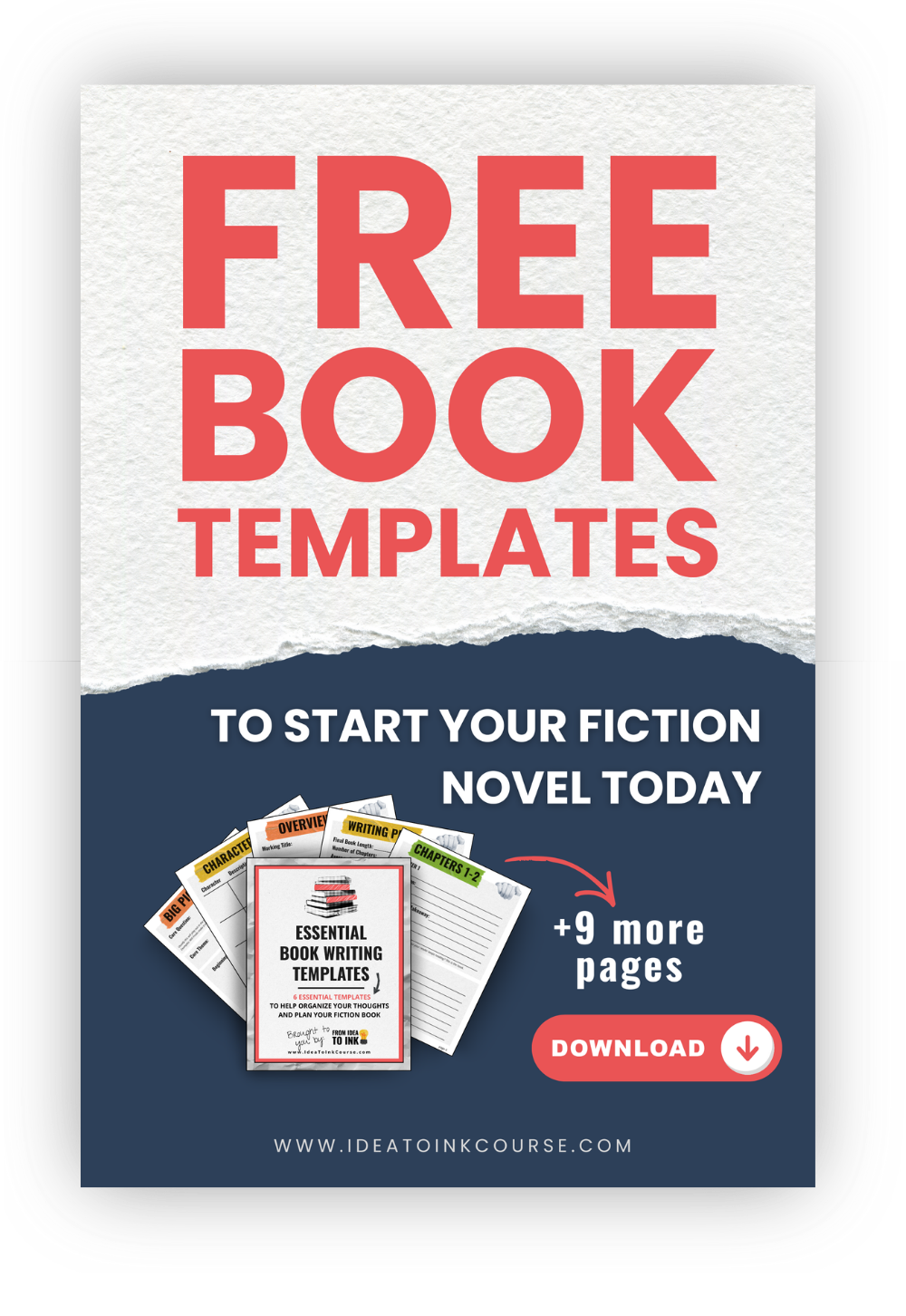
Download the Essential Book Writing Templates for FREE and start strong.
We think SPAM is icky. We will never sell your information, and you can unsubscribe at any time.