Best Worksheets for Planning a Book That Works
A blank document can make a book idea feel much bigger than it really is. You may know your main character, the message you want to share, or the ending you cannot stop thinking about, yet still wonder what belongs on page one. The best worksheets for planning a book give that creative energy somewhere specific to go. Instead of asking yourself to figure out everything at once, they help you make one useful decision at a time.
The goal is not to complete a pile of paperwork before you are “allowed” to write. A good planning worksheet helps you see your book more clearly, make choices with confidence, and return to the page with less hesitation. Whether you are writing a novel, memoir, business book, or practical guide, the right pages can turn a loose idea into a plan you can actually draft.
What Makes a Book Planning Worksheet Worth Using?
The most helpful worksheets do more than ask broad questions such as, “What is your book about?” They guide you toward answers you can use in your manuscript. They create a bridge between inspiration and action.
Look for worksheets that are focused, flexible, and connected to the next stage of writing. A one-page premise worksheet, for example, should leave you with a clear statement you can use to guide your chapters or scenes. A character worksheet should reveal what your protagonist wants, fears, and risks losing - not just their eye color and favorite food.
It also helps to choose tools that match where you are right now. If you have only a spark of an idea, do not begin with a detailed 40-chapter outline. If you already know your topic but keep postponing your draft, a writing schedule worksheet may be more valuable than another brainstorm page. Structure should reduce pressure, not create another impossible standard.
The Best Worksheets for Planning a Book
You do not need every planning page available online. Most aspiring authors make faster progress by starting with a small set of worksheets that answer the biggest questions first: What am I writing? Who is it for? What happens or changes? What will I write next?
1. The Book Idea and Premise Worksheet
This is the worksheet to use when your idea sounds clear in your head but becomes fuzzy when you try to explain it. It helps you name the central concept of your book in plain language.
For fiction, your premise might identify the protagonist, their goal, the central obstacle, and what is at stake if they fail. For nonfiction, it might name the reader’s problem, the transformation you help create, and the distinct approach you bring to the topic.
Try completing these sentences: “This book is about…” and “By the end, the reader will understand, feel, or be able to…” Keep your first answer simple. You can refine it later, but a working premise gives every other planning choice a center.
2. The Reader or Ideal Audience Worksheet
Many writers skip this page because they are writing from a deeply personal place. But knowing who you are speaking to does not make your book less personal. It makes your choices more intentional.
For nonfiction writers, describe the reader who will benefit most from your book. What are they struggling with? What have they already tried? What do they need explained without jargon or judgment? This worksheet can shape your examples, chapter order, and tone.
For novelists, consider the reader experience. What kind of emotional journey are you inviting them into? A romance reader may want emotional tension and a satisfying relationship arc. A mystery reader expects clues, rising questions, and a payoff that feels earned. You do not have to write to trends, but understanding expectations helps you deliver a more satisfying story.
3. The Character Desire, Conflict, and Change Worksheet
A detailed character profile can be fun, but it is not always useful. The stronger worksheet asks questions that create story movement: What does this person want? Why can’t they get it easily? What belief, wound, fear, or flaw gets in their way? How will they be different by the end?
Start with your main character. Then use a lighter version for key supporting characters, especially anyone who challenges, helps, or complicates the protagonist’s path. If you are writing memoir, you can use this framework for your past self. What did you want then, what did you misunderstand, and what changed?
This is one of the best worksheets for planning a book because it prevents a common drafting problem: scenes where characters talk or travel, but nothing truly shifts.
4. The Core Message or Theme Worksheet
Theme is not a lesson you need to announce to the reader. It is the deeper question, truth, or tension your book keeps returning to.
A fiction writer might explore whether forgiveness requires reconciliation, or whether ambition is worth the cost. A nonfiction writer might build a book around the belief that creative consistency comes from a supportive system, not harsher self-discipline. The worksheet should help you identify the idea beneath the plot points or teaching points.
Write down three possible themes, then ask which one gives your book the most energy. If your chapters, examples, and scenes all point in different directions, your theme can become a quiet filter for deciding what stays and what goes.

5. The Book Structure Worksheet
Structure is simply the order that helps your reader understand and experience your book. It does not have to mean a rigid formula.
For a novel, map the beginning, middle, and ending. Identify the event that changes everything, the moments that raise the cost of failure, the low point, and the final choice or confrontation. You do not need every scene yet. You are looking for the spine of the story.
For nonfiction, map the reader’s journey from problem to progress. What must they understand first? Which concepts build on one another? Where do they need an exercise, story, example, or moment of encouragement? A strong structure helps readers feel guided rather than lectured.
6. The Chapter or Scene Map
Once you have a structure, use a chapter map to make your book feel draftable. Give each chapter a temporary title and write one or two sentences about its job. In fiction, note the point-of-view character, central conflict, and change by the end of the scene. In nonfiction, note the key takeaway and the action you want the reader to take.
Temporary is the word to remember. Your chapter map is a working plan, not a contract. Chapters may combine, move, or disappear as you draft. Still, having a map means you will not have to decide what to write every time you sit down.
7. The Writing Routine and Progress Worksheet
A book plan is incomplete if it does not include a plan for writing the book. This worksheet turns your outline into a realistic commitment.
Choose a weekly rhythm based on your actual life, not an ideal version of it. You might write for 30 minutes three mornings a week, draft one scene every Saturday, or revise one chapter during two lunch breaks. Track the sessions you complete and write a brief note about what helped or got in the way.
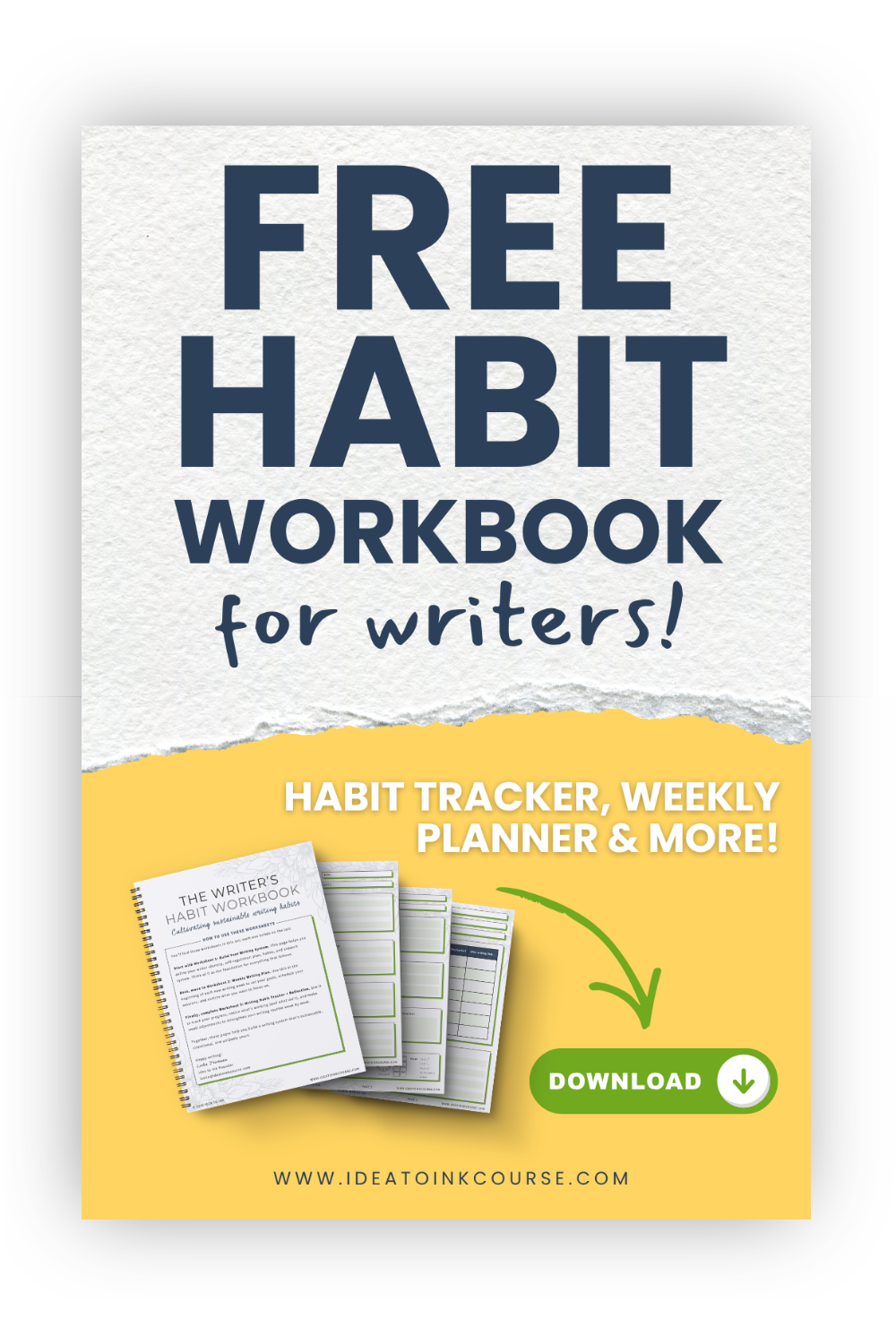
The point is not perfect streaks. It is evidence that you can keep moving. When life interrupts your schedule, return to the next small task instead of deciding you have failed. (Ps. If you're looking for a habit tracker for writers, check out this freebie I made)
How to Use Worksheets Without Getting Stuck in Planning
Planning can become a form of procrastination when every answer has to feel final. Give yourself permission to write imperfect, provisional responses. Use a timer for 15 or 20 minutes per worksheet, then move on. A first draft will teach you things no planning page can.
It is also wise to plan in layers. Begin with the premise, audience, main change, and broad structure. Draft a few chapters or scenes. Then return to your chapter map with new information. Your plan should support discovery, especially if you are a writer who learns by writing.
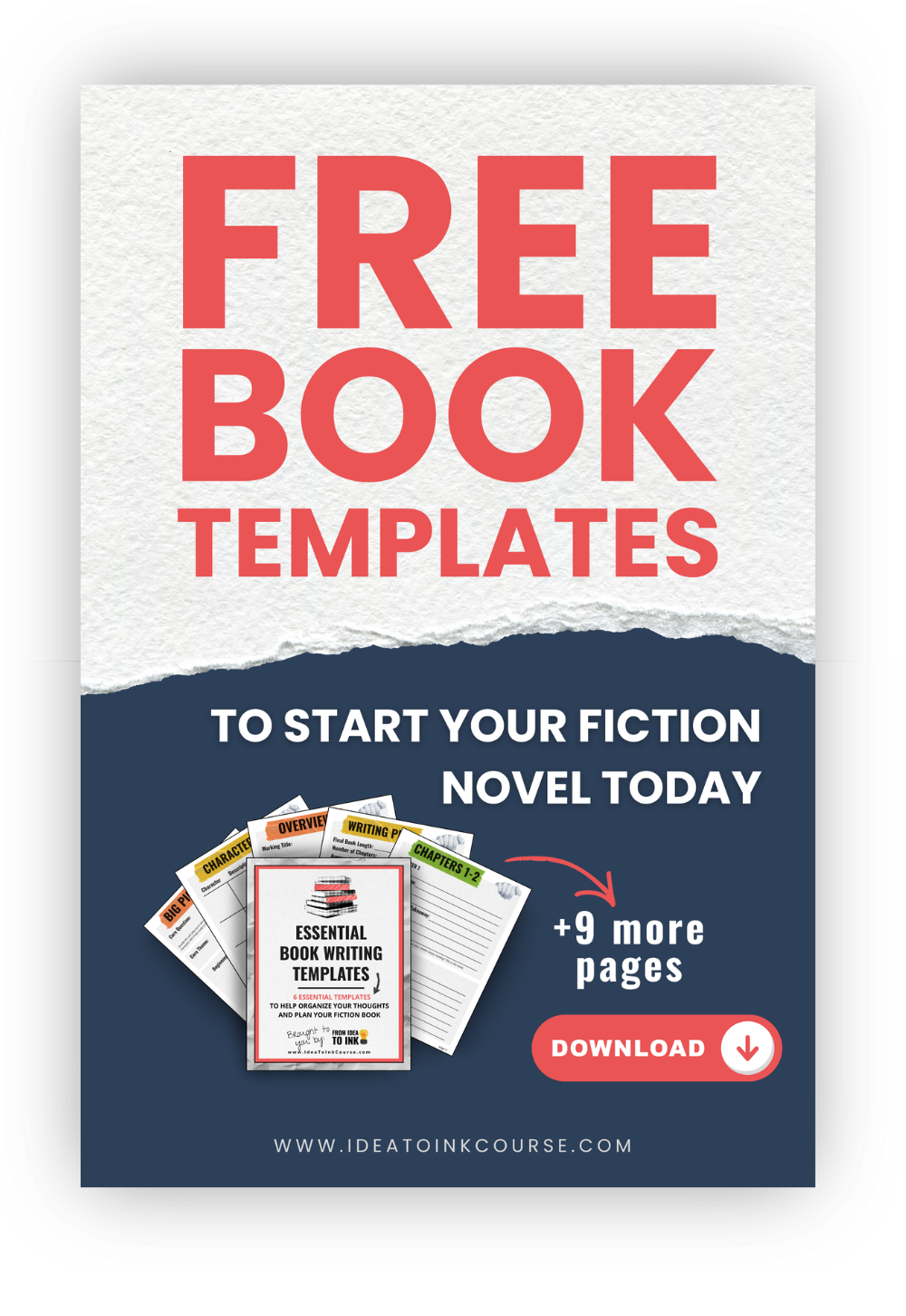
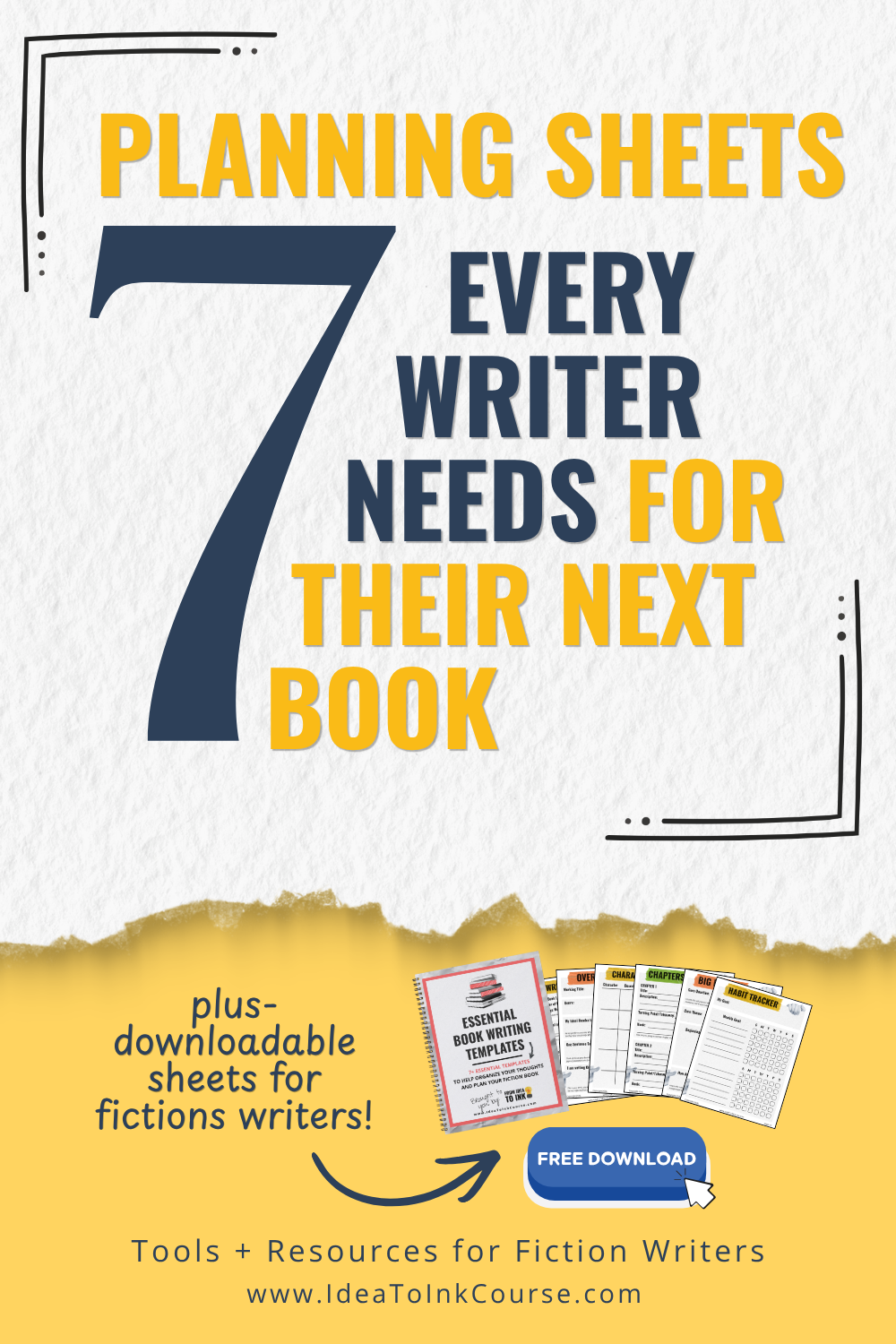
If you want a guided collection of pages that moves from idea to workable book plan, Idea to Ink’s free writing templates are designed to keep the process clear without making it feel intimidating. The best tool is the one you will open, complete, and use again when it is time to write.
Your book does not need a flawless blueprint before it deserves your attention. Start with one worksheet, answer honestly, and let that single page show you the next page to write.
Ready to write your book?
Download the Essential Book Writing Templates for FREE and start strong.
We hate SPAM. We will never sell your information, for any reason.